
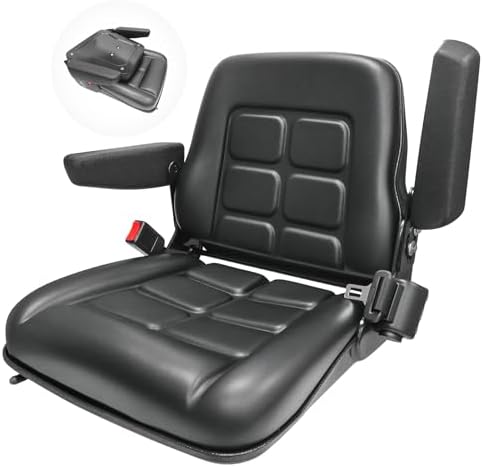
The Importance of Forklift Harness Belt in Workplace Safety
When it comes to operating forklifts in industrial settings, safety should always be a top priority. One crucial piece of safety equipment that is often overlooked is the forklift harness belt.
A forklift harness belt, also known as a seat belt or safety restraint system, is designed to keep the operator securely fastened to the seat during operation. In the event of sudden stops, sharp turns, or accidents, the harness belt prevents the operator from being thrown out of the forklift, reducing the risk of serious injuries or fatalities.
Not only does a forklift harness belt protect the operator, but it also enhances overall workplace safety. By ensuring that operators are properly secured while operating forklifts, employers can reduce the likelihood of accidents and create a safer work environment for everyone.
It is essential for all forklift operators to wear their harness belts at all times while operating the vehicle. Regular inspections and maintenance of these safety restraints should also be conducted to ensure they are in good working condition.
Employers should provide proper training on the importance of using forklift harness belts and enforce strict adherence to safety protocols. By prioritising the use of harness belts and other safety measures, companies can significantly reduce workplace accidents and injuries.
Remember, when it comes to workplace safety, every precaution counts. Investing in quality forklift harness belts and ensuring their proper use can make a significant difference in preventing accidents and protecting lives.
Essential Tips for Ensuring Safety with Forklift Harness Belts
- Always wear your forklift harness belt when operating the forklift.
- Ensure that the harness belt is properly adjusted and fits snugly around your body.
- Regularly inspect the harness belt for any signs of wear or damage, and replace if necessary.
- Follow the manufacturer’s guidelines for using and maintaining the harness belt.
- Properly store the harness belt when not in use to prevent damage or deterioration.
Always wear your forklift harness belt when operating the forklift.
It is crucial to always wear your forklift harness belt when operating the forklift. This safety precaution ensures that you are securely fastened to the seat, reducing the risk of being thrown out of the vehicle in case of sudden stops or accidents. By consistently wearing your harness belt, you not only protect yourself from potential injuries but also contribute to maintaining a safe work environment for everyone. Remember, prioritising your safety by wearing the harness belt is a simple yet effective way to prevent accidents and promote workplace safety.
Ensure that the harness belt is properly adjusted and fits snugly around your body.
It is crucial to ensure that the forklift harness belt is properly adjusted and fits snugly around your body. A well-fitted harness belt not only enhances comfort for the operator but also plays a vital role in ensuring maximum safety. By securing the harness belt correctly, you can minimise the risk of being thrown out of the forklift during sudden movements or accidents. Remember, a snug and properly adjusted harness belt is a key component in maintaining a safe working environment while operating a forklift.
Regularly inspect the harness belt for any signs of wear or damage, and replace if necessary.
It is crucial to regularly inspect the forklift harness belt for any indications of wear or damage. By conducting routine checks, operators can identify potential issues early on and take necessary action to address them promptly. If any signs of wear or damage are detected, it is imperative to replace the harness belt immediately to ensure optimal safety during forklift operations. Prioritising regular inspections and timely replacements can play a significant role in maintaining a safe working environment and preventing accidents related to faulty safety equipment.
Follow the manufacturer’s guidelines for using and maintaining the harness belt.
It is crucial to follow the manufacturer’s guidelines for using and maintaining the forklift harness belt. By adhering to these guidelines, operators can ensure that the harness belt functions effectively in keeping them secure during forklift operation. Regularly inspecting the harness belt and following maintenance recommendations provided by the manufacturer can help prevent potential malfunctions and ensure optimal safety levels. Prioritising compliance with these guidelines is key to promoting a safe working environment and reducing the risk of accidents related to forklift operation.
Properly store the harness belt when not in use to prevent damage or deterioration.
Proper storage of the forklift harness belt when not in use is essential to prevent damage or deterioration. By ensuring that the harness belt is stored correctly, such as hanging it in a designated area or keeping it in a protective case, you can prolong its lifespan and maintain its effectiveness. Avoiding exposure to harsh elements, chemicals, or sharp objects will help preserve the integrity of the harness belt, ensuring that it remains reliable and safe for use when needed. Remember, proper care and storage of safety equipment like the harness belt are key aspects of maintaining workplace safety standards.