
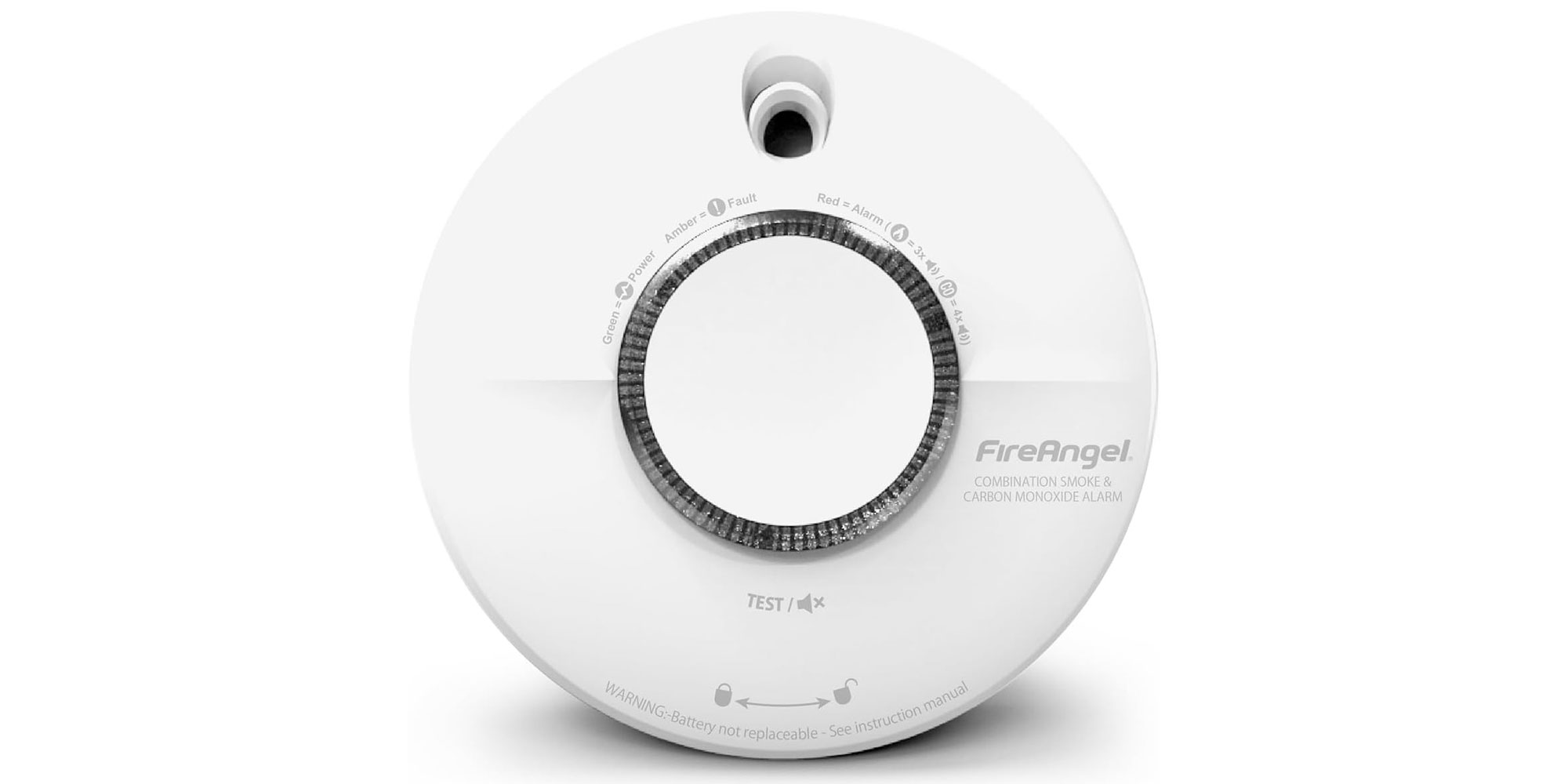
The Importance of Having the Most Sensitive Carbon Monoxide Detector
Carbon monoxide (CO) is a silent killer that poses a serious threat to our health and safety. It is a colourless, odourless gas that can be produced by faulty heating systems, gas appliances, and blocked chimneys. Without a carbon monoxide detector, this deadly gas can go undetected, leading to tragic consequences.
Having the most sensitive carbon monoxide detector in your home is crucial for early detection and prevention of CO poisoning. A sensitive detector can alert you to even low levels of carbon monoxide in the air, giving you valuable time to evacuate and seek help before it’s too late.
When choosing a carbon monoxide detector, opt for one that meets the latest safety standards and regulations. Look for features such as digital displays, battery backup, and audible alarms that can wake you up in case of an emergency. Investing in a high-quality, sensitive detector can make all the difference in protecting your loved ones from this silent threat.
Regular maintenance and testing of your carbon monoxide detector are also essential to ensure its effectiveness. Replace batteries as needed, follow manufacturer’s instructions for testing procedures, and replace the unit according to its recommended lifespan.
Remember, when it comes to carbon monoxide safety, it’s better to be safe than sorry. Don’t take any chances with your family’s well-being – choose the most sensitive carbon monoxide detector available and rest easy knowing that you have taken an important step towards preventing CO poisoning in your home.
Essential FAQs About the Most Sensitive Carbon Monoxide Detectors
- What is a carbon monoxide detector?
- Why is it important to have a sensitive carbon monoxide detector?
- How does a sensitive carbon monoxide detector work?
- What features should I look for in a sensitive carbon monoxide detector?
- Where should I install a sensitive carbon monoxide detector?
- How often should I test my sensitive carbon monoxide detector?
- How long do sensitive carbon monoxide detectors last?
- What should I do if my sensitive carbon monoxide alarm goes off?
What is a carbon monoxide detector?
A carbon monoxide detector is a vital safety device designed to monitor and detect the presence of carbon monoxide gas in the air. Carbon monoxide is a toxic gas that is odourless, colourless, and tasteless, making it extremely difficult to detect without the help of a detector. These devices are equipped with sensors that can pick up even low levels of carbon monoxide, triggering an alarm to alert occupants of potential danger. By having a carbon monoxide detector installed in your home or workplace, you can ensure early detection of this deadly gas and take prompt action to prevent CO poisoning.
Why is it important to have a sensitive carbon monoxide detector?
Having a sensitive carbon monoxide detector is crucial for early detection and prevention of CO poisoning. Carbon monoxide is a silent, odourless gas that can be produced by common household appliances, posing a serious health risk if undetected. A sensitive detector can alert you to even low levels of CO in the air, giving you valuable time to evacuate and seek help before it’s too late. By investing in the most sensitive carbon monoxide detector available, you are taking a proactive step towards safeguarding your family and home from this invisible threat.
How does a sensitive carbon monoxide detector work?
A sensitive carbon monoxide detector works by continuously monitoring the air for the presence of carbon monoxide gas. Inside the detector, there is a sensor that can detect even small amounts of CO in the surrounding environment. When carbon monoxide is detected, the sensor triggers an alarm to alert occupants of the potential danger. The sensitivity of the detector is crucial as it enables early detection of CO before it reaches dangerous levels. By promptly alerting individuals to the presence of this toxic gas, a sensitive carbon monoxide detector plays a vital role in safeguarding lives and preventing CO poisoning incidents.
What features should I look for in a sensitive carbon monoxide detector?
When selecting a sensitive carbon monoxide detector, there are several key features to consider. Look for a detector that meets the latest safety standards and regulations to ensure its reliability. Opt for a model with a digital display that provides real-time CO levels for easy monitoring. Battery backup is essential to ensure continuous operation, especially during power outages. An audible alarm with distinct alerts is crucial for prompt notification of dangerous CO levels. Additionally, consider detectors with self-testing capabilities and a long lifespan to maintain optimal performance over time. By prioritising these features, you can choose a sensitive carbon monoxide detector that offers maximum protection for you and your loved ones.
Where should I install a sensitive carbon monoxide detector?
When it comes to installing a sensitive carbon monoxide detector, placement is key to ensuring optimal safety. It is recommended to install a carbon monoxide detector in every room where people spend time, especially bedrooms and living areas. Additionally, placing a detector near potential sources of carbon monoxide, such as gas appliances, fireplaces, or attached garages, can help detect any leaks early on. It is also advisable to install detectors at different levels of your home to provide comprehensive coverage. Remember that proper installation and maintenance of your sensitive carbon monoxide detector are essential for effective detection and protection against this silent but deadly gas.
How often should I test my sensitive carbon monoxide detector?
Regular testing of your sensitive carbon monoxide detector is crucial to ensure its proper functioning and reliability. It is recommended to test your carbon monoxide detector at least once a month to make sure that it can effectively detect any presence of this silent killer gas. Testing your detector is a simple process that typically involves pressing the test button and listening for the alarm sound. By testing your sensitive carbon monoxide detector regularly, you can have peace of mind knowing that it will alert you promptly in case of any dangerous levels of carbon monoxide in your home.
How long do sensitive carbon monoxide detectors last?
When it comes to sensitive carbon monoxide detectors, a common question that arises is: How long do they last? Typically, the lifespan of a sensitive carbon monoxide detector can vary depending on the model and manufacturer. It is recommended to refer to the specific guidelines provided by the manufacturer for accurate information on the lifespan of your detector. In general, most detectors have a lifespan of around 5 to 7 years before they may need to be replaced. Regular maintenance, testing, and battery replacements are essential to ensure that your sensitive carbon monoxide detector continues to function effectively and provide reliable protection against this silent threat.
What should I do if my sensitive carbon monoxide alarm goes off?
If your sensitive carbon monoxide alarm goes off, it is crucial to take immediate action to ensure your safety and well-being. Firstly, do not ignore the alarm – treat it as a serious emergency. Open windows and doors to ventilate the area and evacuate the premises immediately, along with any pets. Call the emergency services (999 in the UK) and inform them that your carbon monoxide alarm has sounded. Do not re-enter the property until it has been deemed safe by a qualified professional. It is important to address the source of the carbon monoxide leak promptly to prevent further exposure and potential harm. Remember, quick and decisive action can save lives in such critical situations.