
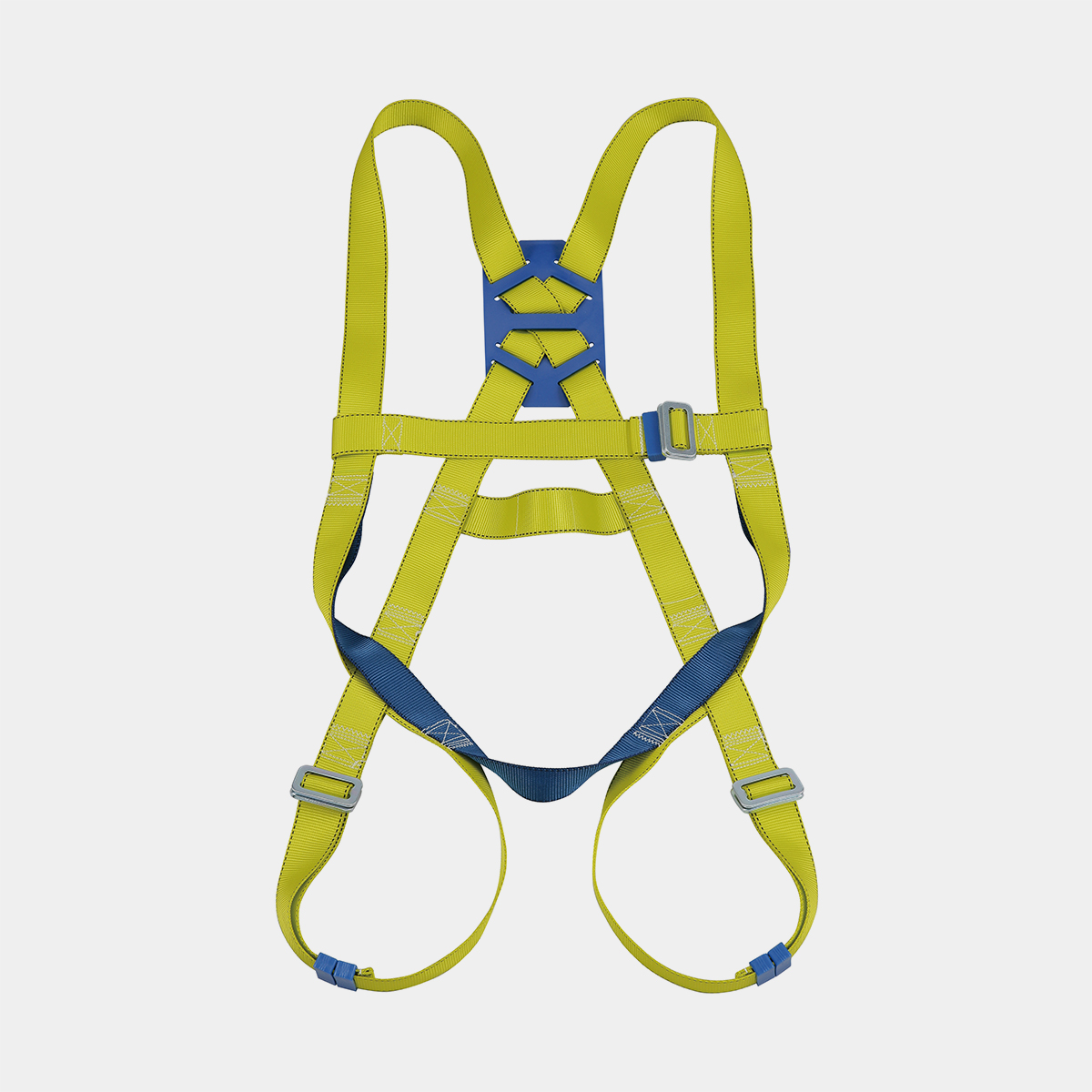
PPE Safety Belts: Choosing and Using Fall-Protection Equipment
A PPE safety belt is worn to help protect a worker from hazards when carrying out tasks at height. However, the term can describe different types of equipment, and they are not all designed to stop a fall. Choosing the right system—and using it correctly—is essential.
What is a safety belt?
A work-positioning belt can support a person in a stable working position, for example while working on a pole or structure. It is not generally a substitute for a full-body harness and fall-arrest system. If a worker could fall, equipment specifically designed and approved for fall arrest is usually required.
A fall-arrest system commonly consists of a full-body harness, a compatible lanyard or fall-arrest device, and a suitable anchorage point. The complete system must be selected for the task and used in line with the manufacturer’s instructions.
Assess the risk before choosing equipment
Under UK work-at-height requirements, employers should first avoid work at height where reasonably practicable. If it cannot be avoided, the work should be planned and the risk reduced—for example, by using a suitable working platform or edge protection. Personal fall-protection equipment is considered where safer collective measures are not reasonably practicable or do not adequately control the risk.
Before work begins, consider:
- the height and nature of the work;
- the risk of falling, including through fragile surfaces or openings;
- the distance needed to arrest a fall and any risk of striking the ground or an obstacle;
- the location and strength of anchorage points;
- the equipment’s compatibility with other components; and
- how a worker would be rescued promptly after a fall.
Fit, inspect and use it correctly
Use equipment that is suitable for the task, correctly sized and properly adjusted. A full-body harness should fit securely, with straps positioned as shown in the manufacturer’s instructions. Connect only to an approved anchorage point and use compatible components. Never modify equipment or rely on a belt, lanyard or anchor point unless it is intended for that purpose.
Inspect equipment before each use. Look for cuts, fraying, damaged stitching, corrosion, deformation, worn connectors, chemical damage or missing labels. Remove suspect equipment from service and follow the manufacturer’s instructions for formal inspections, maintenance and storage. Equipment that has arrested a fall should not be reused until it has been assessed in accordance with the manufacturer’s guidance.
Training and rescue planning matter
Workers need suitable instruction and practical training in fitting, connecting, checking and using their equipment. They should also understand its limitations. A fall-arrest system does not remove the risk of injury, and a suspended worker may need urgent assistance. A rescue plan should be prepared before work starts; relying solely on the emergency services may not provide a sufficiently prompt rescue.
Keep safety at the centre of the job
A PPE safety belt is only one part of a wider fall-protection arrangement. The right approach starts with planning the work, avoiding work at height where possible and prioritising collective protection. Where personal equipment is needed, choose a suitable system, check it carefully, use it as instructed and make sure workers are trained and a rescue plan is in place.
This article provides general information, not a substitute for a task-specific risk assessment or competent professional advice. Employers should consult current UK legislation, relevant guidance and the equipment manufacturer’s instructions.
Essential Safety Tips for Using PPE Safety Belts and Harnesses
- Use a suitable full-body harness for fall arrest; a waist belt alone is not enough.
- Check the belt, straps and fittings for damage before each use.
- Fit the harness snugly and follow the manufacturer’s instructions.
- Attach only to a suitable, secure anchor point.
- Get trained and know the rescue plan before working at height.
Use a suitable full-body harness for fall arrest; a waist belt alone is not enough.
For fall arrest, always use a suitable, correctly fitted full-body harness that is compatible with the rest of the system and the task. A waist belt alone is not designed to safely arrest a fall and could cause serious injury. Check the equipment before use, connect it to an appropriate anchorage point, and follow the manufacturer’s instructions and your workplace’s safety procedures.
Check the belt, straps and fittings for damage before each use.
Before each use, carefully check the safety belt, straps and fittings for cuts, fraying, cracks, corrosion, loose stitching or other signs of damage. Make sure buckles and connectors work properly, and follow the manufacturer’s inspection guidance. If any part is damaged or you are unsure about its condition, do not use it—take it out of service and report it to a supervisor.
Fit the harness snugly and follow the manufacturer’s instructions.
Fit the harness snugly so it sits securely without restricting movement or breathing, and check that all straps and fastenings are correctly adjusted. Always follow the manufacturer’s instructions for fitting, adjustment and use, as an incorrectly worn harness may not provide effective protection.
Attach only to a suitable, secure anchor point.
Always attach your PPE safety belt or harness to a suitable, secure anchor point designed to withstand the forces involved in a fall. Check that the anchor is correctly positioned, compatible with your equipment and approved for the task; never connect to handrails, pipes or other structures unless they have been confirmed as suitable. If you are unsure, stop work and ask a competent person to check the anchorage before proceeding.
Get trained and know the rescue plan before working at height.
Before working at height, make sure you have received suitable training in how to fit, inspect and use your PPE safety belt or harness correctly. You should also know the rescue plan, including how help will be provided if someone falls and becomes suspended. A prompt, well-practised rescue can reduce the risk of further harm, so never begin the task until you understand the equipment, the procedures and your role in an emergency.