
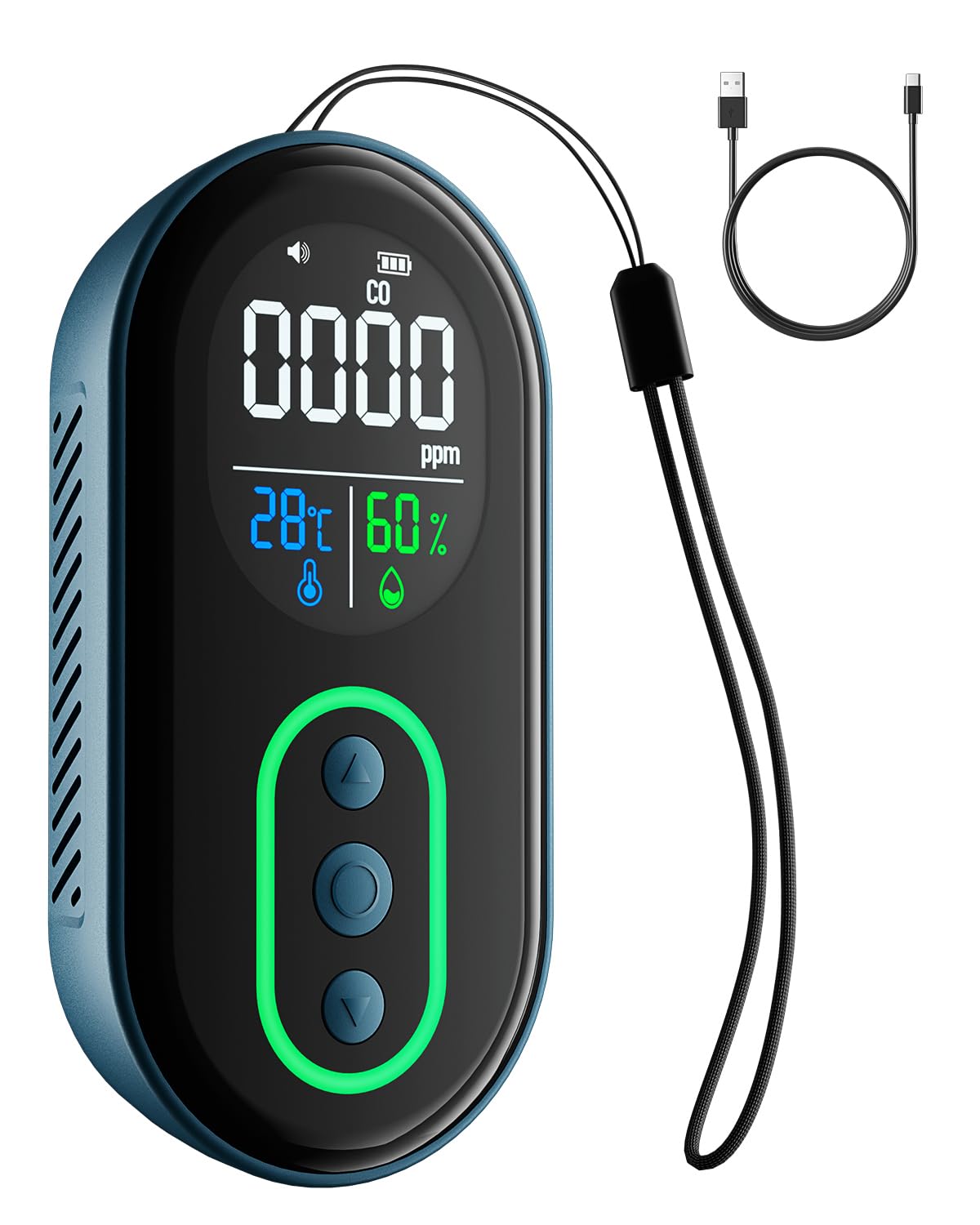
Portable Carbon Monoxide Detectors: What to Know Before You Buy
Carbon monoxide (CO) is a poisonous gas that cannot be seen, smelled or tasted. It can be produced when fuels such as gas, oil, coal, wood or petrol do not burn properly. Because it is impossible to detect with your senses, a carbon monoxide alarm can provide an important warning if CO is present.
A portable carbon monoxide detector can be useful when you are away from home, such as when staying in a hotel, caravan, holiday cottage or boat. It may also suit people who need an alarm they can move between rooms. However, a portable alarm should not be treated as a replacement for correctly installed alarms at home.
What is a portable CO detector?
A portable CO detector is a battery-powered device that monitors the air and sounds an alarm if carbon monoxide reaches a specified level. Some models are designed for domestic travel, while others are specialist instruments intended for professional use. Check that the product is specifically made to warn people about carbon monoxide exposure; a general air-quality monitor may not do this.
For domestic use in the UK, look for an alarm that complies with the relevant standard, BS EN 50291-1. If you need an alarm for a boat or caravan, check that it is suitable for that setting and meets the applicable standard for that use. Read the product information carefully, as not every portable detector is suitable for every environment.
When might a portable detector be useful?
- Travel: Take it to accommodation where you are unsure whether a working CO alarm is provided.
- Caravans and boats: Use a model specifically designed for the conditions and appliances in these spaces.
- Temporary accommodation: A portable alarm can offer added reassurance while staying somewhere for a short time.
- Moving between locations: A portable model can be convenient, provided it is used and positioned as instructed.
Choosing the right detector
Before buying, consider the following:
- Standards and suitability: Check the stated standard and make sure the alarm is intended for the location where you plan to use it.
- Power supply: Check whether it uses replaceable batteries, rechargeable batteries or a sealed battery, and how long the power source is expected to last.
- Alarm and display: A clear audible alarm is essential. A digital display can show CO readings, but it does not replace the alarm function.
- Expiry date: CO sensors have a limited working life. Check the expiry or replacement date and follow the manufacturer’s instructions.
- Instructions and support: Choose a product with clear guidance on testing, positioning and what to do if the alarm sounds.
Be cautious about products making claims that are difficult to verify. A detector should not be described as a substitute for servicing fuel-burning appliances or maintaining permanent alarms where they are required.
Using and maintaining a portable alarm
Follow the manufacturer’s instructions for positioning the detector. The best location can depend on the room, the appliance and the type of alarm. Do not assume that placing it immediately beside an appliance, in a draught or behind furniture will give reliable protection. Keep it away from anything that could block the sensor or alarm sound.
Test the alarm as directed, usually using its test button, and check it before travelling. Replace batteries when required and do not use a detector beyond its stated working life. If the alarm is damaged, has reached its expiry date or does not work during a test, replace it.
At home, portable detectors should be an extra precaution—not a reason to remove or neglect properly installed CO alarms. Have fuel-burning appliances fitted and serviced by appropriately qualified professionals, and keep vents and flues clear.
What to do if the alarm sounds
If a CO alarm sounds, or you suspect carbon monoxide is present:
- Get everyone, including pets, outside into fresh air immediately.
- Call 999 if anyone is unwell, seriously affected or in immediate danger.
- Do not go back inside until it has been declared safe.
- Seek medical advice if anyone may have been exposed, even if symptoms improve outdoors.
- Arrange for the suspected appliance or source to be checked by a qualified professional before using it again.
Symptoms of carbon monoxide poisoning can include headache, dizziness, nausea, weakness, confusion and shortness of breath. They may resemble flu or food poisoning and can improve when a person leaves the affected area. If symptoms occur indoors and ease outside, treat the possibility of CO seriously.
A useful extra layer of protection
A suitable portable carbon monoxide detector can be a practical travel companion, particularly in unfamiliar accommodation. Choose a model designed for your intended setting, keep it within its working life and use it according to the instructions. Most importantly, combine it with properly maintained appliances and appropriate permanent alarms for dependable protection.
Essential FAQs About Portable Carbon Monoxide Detectors: Placement, Effectiveness, and Safety Considerations
- Where should a portable carbon monoxide detector be placed?
- Do portable carbon monoxide detectors work?
- Is it a good idea to have a carbon monoxide detector in the home?
- Is there a portable carbon monoxide detector that is suitable for travel?
- Are there portable carbon monoxide detectors for travel?
- Is there a way to detect carbon monoxide without a detector?
- What is the best portable CO detector?
- Will a carbon monoxide detector save you?
Where should a portable carbon monoxide detector be placed?
Place a portable carbon monoxide detector in the room where you are using a fuel-burning appliance, following the manufacturer’s instructions for height and distance. Keep it unobstructed and away from doors, windows, draughts and direct heat, which could affect its readings. In sleeping areas, make sure the alarm can be heard from the bed. If you are staying in a caravan, boat or other accommodation, check that the detector is suitable for that setting and do not rely on it as a substitute for required, properly installed alarms.
Do portable carbon monoxide detectors work?
Yes, portable carbon monoxide detectors can work by monitoring the air and sounding an alarm when carbon monoxide reaches a level specified by the device. Choose a detector that meets the relevant UK standard and is suitable for where you plan to use it, such as a home, caravan or boat. Follow the manufacturer’s instructions for positioning, testing and battery replacement, and replace the detector when it reaches the end of its working life. A portable alarm is an extra precaution, not a substitute for properly installed alarms or regular servicing of fuel-burning appliances.
Is it a good idea to have a carbon monoxide detector in the home?
Yes. A carbon monoxide detector is an important safety measure in any home, particularly where fuel-burning appliances such as boilers, gas fires or wood burners are used. Carbon monoxide has no smell, taste or colour, so an alarm can alert you to its presence before you notice symptoms. Choose an alarm that meets the relevant UK standard, install it in the position recommended by the manufacturer, and test and replace it as instructed. A detector is an extra safeguard, not a substitute for having appliances installed and serviced by a qualified professional.
Is there a portable carbon monoxide detector that is suitable for travel?
Yes, there are battery-powered portable carbon monoxide alarms designed for travel. Look for a model that meets the relevant British Standard, BS EN 50291-1, and check that it is suitable for where you plan to use it, such as a hotel, caravan or boat. Read the manufacturer’s instructions for positioning and testing, check the battery and expiry date before you go, and remember that a portable alarm is an extra precaution—not a substitute for properly installed alarms or well-maintained appliances.
Are there portable carbon monoxide detectors for travel?
Yes, portable carbon monoxide detectors are available for travel and can offer extra reassurance in hotels, holiday rentals, caravans and boats. Choose a model designed for your intended setting, check that it meets the relevant UK safety standard, and follow the manufacturer’s guidance on placement, testing and battery life. A portable detector is an additional precaution, not a substitute for any required installed alarms or properly maintained fuel-burning appliances.
Is there a way to detect carbon monoxide without a detector?
No—carbon monoxide (CO) has no colour, smell or taste, so it cannot be reliably detected without a working carbon monoxide alarm. Symptoms such as headache, dizziness, nausea or confusion may indicate exposure, but they can have many causes and should not be used as a substitute for an alarm. If you suspect CO, get everyone outside into fresh air immediately, call 999 if anyone feels unwell or is in danger, and do not return indoors until it has been confirmed safe.
What is the best portable CO detector?
The best portable CO detector is one that is certified to the relevant UK standard and designed for where you plan to use it. For ordinary accommodation, look for a model meeting BS EN 50291-1; for a caravan or boat, check that it is suitable for that environment and meets BS EN 50291-2. Choose a clear audible alarm, check its battery life and expiry date, and follow the manufacturer’s instructions for positioning and testing. No portable detector replaces properly installed alarms or regular servicing of fuel-burning appliances.
Will a carbon monoxide detector save you?
A carbon monoxide detector can save lives by warning you when dangerous levels of carbon monoxide are present, giving you time to get everyone outside and call for help. However, it cannot prevent a leak or guarantee your safety, so use a properly certified, working alarm, follow the manufacturer’s instructions and maintain fuel-burning appliances. If the alarm sounds, leave immediately, stay in fresh air and call 999 if anyone feels unwell or is in immediate danger.