
Safety Harness Waist Belts: Uses, Limits and Safe Working Practices
A safety harness waist belt can help workers stay secure and comfortable during certain tasks at height. However, the term can describe different types of equipment, and a waist belt on its own is not a substitute for a full-body fall-arrest harness. Choosing the right equipment depends on the task, the risk assessment and the manufacturer’s instructions.
What is a safety harness waist belt?
A waist belt is a belt worn around the waist, sometimes as part of a larger harness system. Depending on its design and certification, it may support tools, help a worker maintain a stable position, or form part of a work-positioning or restraint system.
Some belts are designed to connect to a full-body harness. Others are work-positioning belts intended to support a person while they work with their feet supported. A tool belt may look similar, but it is not personal protective equipment for preventing falls.
A waist belt is not fall-arrest protection
A waist belt alone should not be used to arrest a fall. If a fall is stopped by equipment connected only around the waist, the forces can cause serious injury. Where there is a risk of falling, a suitable full-body harness is generally required for a fall-arrest system, alongside compatible connecting equipment and a suitable anchor point.
A work-positioning belt is intended to help a trained worker remain in a supported position; it is not automatically suitable for fall arrest. If a fall remains possible, additional fall protection may be needed. Always check the equipment’s intended use, markings and instructions, and seek competent advice where necessary.
Common uses
- Work positioning: A suitable belt and system may help a worker remain steady while carrying out a task, where the system is designed for that purpose.
- Restraint: A correctly planned system may prevent a worker from reaching an edge or other fall hazard.
- Tool carrying: A tool belt can keep equipment close to hand, but it does not provide fall protection unless it is specifically designed and certified as part of a suitable system.
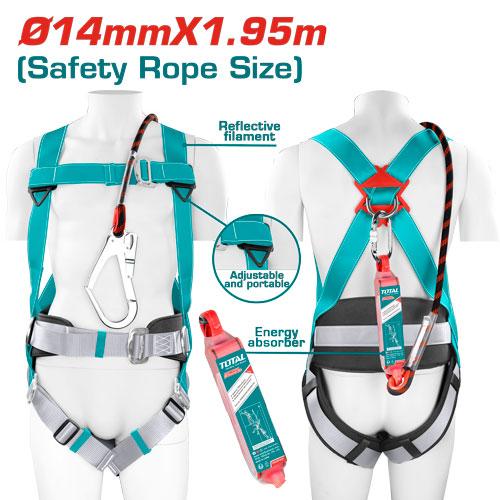
- Harness support: Some full-body harnesses include a waist section for comfort or positioning. The complete harness must be used as instructed.
Choosing the right equipment
Start with a risk assessment and consider whether working at height can be avoided. If it cannot, assess whether collective protection, such as suitable guardrails or a working platform, can be used before relying on personal protective equipment.
When selecting a belt or harness system, check that it:
- is designed for the specific task and type of protection required;
- is compatible with the lanyard, connector and anchor point being used;
- is the correct size and can be adjusted securely;
- meets the relevant requirements and standards for its intended use;
- is suitable for the working environment and the wearer; and
- comes with clear manufacturer instructions and can be inspected and maintained appropriately.
Standards commonly associated with this equipment include BS EN 361 for full-body harnesses, BS EN 358 for belts and lanyards used for work positioning or restraint, and BS EN 813 for sit harnesses. The applicable standard depends on the equipment’s design and intended use. A standards mark does not, by itself, mean that the equipment is suitable for every job.
Correct fitting and use
Before work begins, the wearer should be trained to put on and adjust the equipment correctly. Follow the manufacturer’s instructions, check that buckles and straps are secured, and ensure that the harness fits snugly without restricting safe movement. Connect only to the designated attachment points and use compatible components.
For a fall-arrest system, the work plan must also account for the anchor point, the potential fall distance and any clearance needed below the worker. A harness cannot prevent injury if the system is incorrectly configured or there is not enough clearance to avoid striking the ground or an obstruction.
Inspection, maintenance and storage
Inspect equipment before each use and carry out any further checks required by the manufacturer and the employer’s inspection arrangements. Look for cuts, fraying, damaged stitching, corrosion, cracked components, faulty buckles, contamination or any other signs of wear or damage. If equipment has arrested a fall, or its condition is in doubt, take it out of service and follow the manufacturer’s guidance. Do not repair or alter it unless authorised by the manufacturer.
Store harnesses and belts in a clean, dry place away from direct sunlight, chemicals, sharp objects and excessive heat. Keep inspection records where required by your organisation’s procedures.
Training and rescue planning
Anyone using a harness or belt system should receive suitable instruction and supervision. Employers must plan work at height safely under the Work at Height Regulations 2005. Where fall-arrest equipment is used, there must also be a practical rescue plan: emergency services may not be able to reach a suspended worker quickly enough.
Key takeaway
A safety harness waist belt can be useful for work positioning, restraint or carrying tools, depending on its design. It should not be treated as stand-alone fall-arrest protection. Choose equipment for the task, use it as instructed, check it before use and make sure the entire work-at-height system—including training and rescue arrangements—is properly planned.
Essential FAQs About Safety Harness Waist Belts: Understanding Regulations, Usage, and Types
- Why are body belts prohibited by OSHA?
- What is the difference between a safety belt and a safety harness?
- What is the capacity of safety harness belt?
- What are the 3 types of harnesses?
- How to use a safety harness belt?
- What does a safety harness belt do?
- Are harnesses road legal in the UK?
Why are body belts prohibited by OSHA?
OSHA prohibits body belts from being used as part of a personal fall-arrest system because arresting a fall by the waist can concentrate force on the abdomen and spine, increasing the risk of serious injury. A properly selected full-body harness is required for fall arrest because it distributes the forces more widely across the body. This does not mean every waist belt is prohibited: OSHA rules may allow suitable body belts for work positioning or restraint, provided the equipment and system meet the applicable requirements and are used as intended.
What is the difference between a safety belt and a safety harness?
A safety belt fits around the waist and may be used for work positioning or restraint, but it does not distribute fall-arrest forces safely and should not be used on its own to stop a fall. A safety harness—typically a full-body harness—has straps around the torso and legs to spread forces across the body and is designed to connect to compatible fall-arrest equipment. The right choice depends on the task and risk assessment, so always follow the manufacturer’s instructions and use equipment for its intended purpose.
What is the capacity of safety harness belt?
The capacity of a safety harness belt depends on the specific model and the manufacturer’s instructions, so always check its label and user guide for the permitted user weight and any limits on tools or other equipment. Do not assume that a waist belt is designed to arrest a fall: many are intended for work positioning or restraint and must be used as part of a compatible system. If the rating is unclear, do not use the belt until a competent person or the manufacturer has confirmed it is suitable for the task.
What are the 3 types of harnesses?
The three commonly recognised types of safety harness are fall-arrest, work-positioning and suspension harnesses. A fall-arrest harness is designed to help reduce injury if a worker falls, while a work-positioning harness supports them in a stable position as they carry out a task. A suspension harness is designed for work where a person needs to be supported while suspended, such as rope access. The right choice depends on the job and the equipment’s instructions; a waist belt alone is not a substitute for a fall-arrest harness.
How to use a safety harness belt?
To use a safety harness belt, first check that it is designed for the task— a waist belt alone is not suitable for arresting a fall. Inspect the equipment for damage, put it on and adjust it according to the manufacturer’s instructions, ensuring all buckles are secure and the fit is snug. Connect it only to compatible equipment and approved attachment points, and use it as part of a properly planned work-at-height system. Make sure you have suitable training, adequate fall clearance where relevant, and a rescue plan in place; if the belt is damaged or has been involved in a fall, stop using it and follow the manufacturer’s guidance.
What does a safety harness belt do?
A safety harness belt helps keep a worker secure and supported during certain tasks, such as work positioning or restraint, when used as part of a suitable system. A waist belt on its own is not designed to arrest a fall; where fall-arrest protection is needed, use a correctly fitted full-body harness with compatible equipment and an appropriate anchor point. Always follow the manufacturer’s instructions and ensure the system is selected and used by trained people.
Are harnesses road legal in the UK?
A workplace safety harness or waist belt is not a substitute for a car seat belt and should not be worn as a vehicle restraint. If you mean a vehicle or motorsport harness, its legality depends on the vehicle, the harness’s approval and installation, and whether it meets applicable UK road-vehicle requirements; check with the vehicle manufacturer or a qualified specialist. On public roads, occupants must use the required seat belt or other approved restraint.