
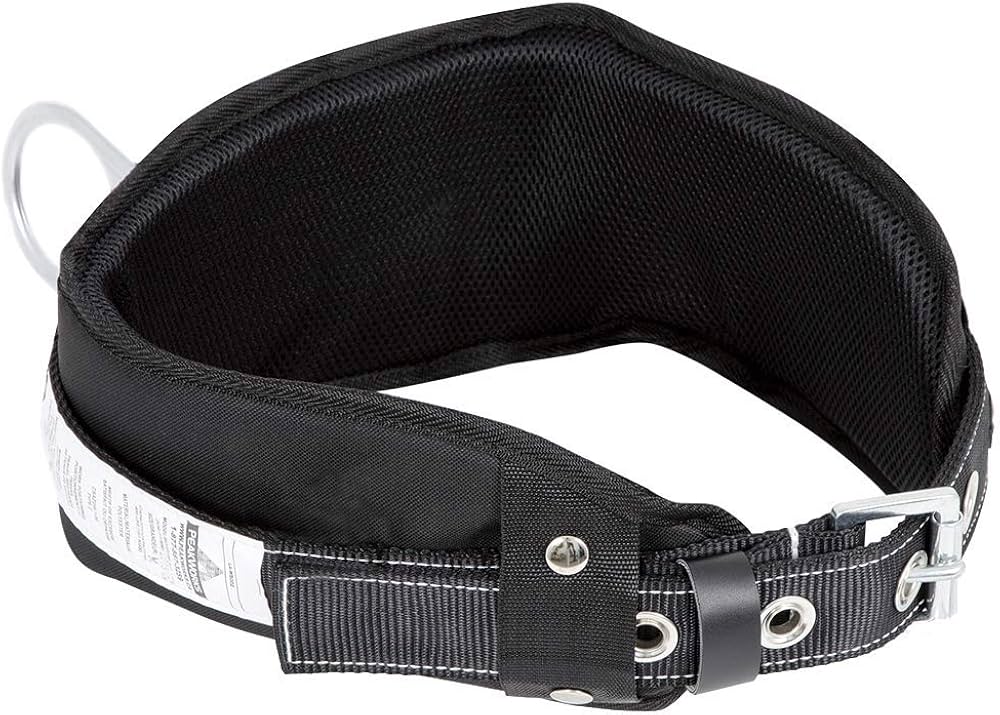
The Importance of Positioning Belts in Fall Protection
Fall protection is a critical aspect of workplace safety, especially in industries where workers are exposed to heights. Positioning belts play a crucial role in ensuring the safety and security of workers at elevated work sites.
Positioning belts are designed to provide support and restraint while allowing workers to have hands-free movement to perform their tasks effectively. These belts are typically worn around the waist or hips and are connected to an anchorage point, keeping the worker securely positioned at the worksite.
One of the key benefits of positioning belts is that they help prevent falls by limiting the range of movement for workers at height. By securing workers in place, these belts reduce the risk of accidental slips or trips that could lead to a fall.
In addition to fall prevention, positioning belts also play a vital role in rescue operations. In the event of a fall, these belts can serve as attachment points for rescue systems, allowing for prompt and efficient retrieval of a fallen worker.
It is essential for employers to provide proper training on the correct use of positioning belts and ensure that workers understand how to wear and adjust them correctly. Regular inspection and maintenance of positioning belts are also crucial to ensure their effectiveness and reliability in case of an emergency.
By incorporating positioning belts into their fall protection systems, employers can significantly enhance workplace safety and minimise the risks associated with working at heights. Investing in high-quality positioning belts demonstrates a commitment to prioritising worker safety and well-being.
In conclusion, positioning belts are indispensable tools in fall protection systems, offering both preventive measures and rescue capabilities. Employers must recognise the importance of these safety devices and implement proper protocols to safeguard their workers from potential hazards when working at elevated heights.
Understanding Positioning Belts for Fall Protection: Your Top 7 Questions Answered
- What is the length of safety belt?
- What is a work positioning belt?
- What is the purpose of a positioning belt?
- What is the advantage of positioning device systems?
- What is a positioning belt?
- Where can we attach the positioning lanyards?
- Can a body belt be used for positioning?
What is the length of safety belt?
When it comes to positioning belts in fall protection, the length of the safety belt is a common concern among workers and safety professionals. The length of a safety belt can vary depending on the specific model and design. It is crucial to ensure that the safety belt is of sufficient length to provide proper support and restraint while allowing for comfortable movement and flexibility for the worker. Employers should provide guidelines on selecting the appropriate size and adjusting the length of the safety belt to fit each worker securely, as a well-fitted safety belt is essential for effective fall protection measures. Regular checks and maintenance of the safety belt’s length are also important to ensure its functionality and reliability in safeguarding workers at elevated work sites.
What is a work positioning belt?
A work positioning belt is a crucial component of fall protection equipment designed to provide support and restraint for workers at elevated work sites. This specialised belt is worn around the waist or hips and is connected to an anchorage point, allowing workers to maintain a secure position while having the freedom to perform tasks effectively. Work positioning belts help prevent falls by limiting the range of movement for workers, reducing the risk of accidents at height. Additionally, these belts can serve as attachment points for rescue systems in case of a fall, enabling prompt and efficient retrieval of a worker. Proper training, usage, and maintenance of work positioning belts are essential to ensure their effectiveness in enhancing workplace safety and protecting workers from potential hazards when working at heights.
What is the purpose of a positioning belt?
A positioning belt serves a critical purpose in fall protection systems by providing support and restraint to workers at elevated work sites. The primary function of a positioning belt is to secure the worker in place while allowing for hands-free movement to perform tasks effectively. By connecting the belt to an anchorage point around the waist or hips, it limits the range of movement and helps prevent falls by keeping the worker securely positioned at the worksite. Additionally, positioning belts play a crucial role in rescue operations, serving as attachment points for rescue systems in case of a fall. Employers must ensure that workers are trained on the correct use of positioning belts to maximise their effectiveness in enhancing workplace safety.
What is the advantage of positioning device systems?
Positioning device systems offer several advantages in fall protection. One key benefit is the ability to provide workers with hands-free mobility while ensuring their safety at elevated worksites. These systems allow workers to move freely within a designated area, reducing the risk of falls without restricting their ability to perform tasks effectively. Additionally, positioning device systems can serve as crucial components in rescue operations, providing anchor points for swift and efficient retrieval in the event of a fall. By incorporating these systems into fall protection protocols, employers can enhance workplace safety and mitigate potential hazards associated with working at heights.
What is a positioning belt?
A positioning belt is an essential component of fall protection systems used in various industries to enhance worker safety at elevated work sites. It is a specialised belt worn around the waist or hips, designed to provide support and restraint while allowing hands-free movement for workers performing tasks at height. The primary function of a positioning belt is to secure the worker in place, reducing the risk of falls by limiting their range of movement. In addition to fall prevention, positioning belts also serve as attachment points for rescue systems in emergency situations, enabling prompt retrieval of a fallen worker. Proper training on the correct use and maintenance of positioning belts is crucial to ensure their effectiveness and reliability in safeguarding workers from potential hazards.
Where can we attach the positioning lanyards?
When it comes to positioning belts in fall protection systems, a common question that arises is, “Where can we attach the positioning lanyards?” Positioning lanyards are typically attached to designated anchorage points on the worksite structure or equipment. These anchorage points should be secure and capable of supporting the intended load in case of a fall. It is crucial to follow manufacturer guidelines and industry standards when selecting and using anchorage points for positioning lanyards to ensure the safety and well-being of workers at height. Proper attachment of positioning lanyards plays a vital role in maintaining stability and preventing falls, highlighting the importance of understanding and adhering to correct attachment procedures for optimal fall protection.
Can a body belt be used for positioning?
When it comes to fall protection and positioning, a common question that arises is whether a body belt can be used for positioning. Body belts are not recommended for positioning purposes as they are primarily designed for restraint and should not be relied upon as the sole means of fall protection. Positioning belts, on the other hand, are specifically engineered to provide support and stability while allowing workers to perform tasks at height safely. Using a proper positioning belt ensures that workers have the necessary freedom of movement while being securely positioned, reducing the risk of falls and enhancing overall safety in elevated work environments.