
The Importance of Personal Protective Equipment (PPE) in the Manufacturing Industry
In the manufacturing industry, ensuring the safety and well-being of workers is paramount. One crucial aspect of workplace safety is the use of Personal Protective Equipment (PPE). PPE refers to protective clothing, helmets, goggles, or other garments or equipment designed to protect workers from injury or infection.
Manufacturing processes often involve various hazards such as chemical exposure, noise, heat, sharp objects, and more. Without proper protection, workers are at risk of serious injuries or health issues. This is where PPE plays a vital role in safeguarding employees and creating a safe working environment.
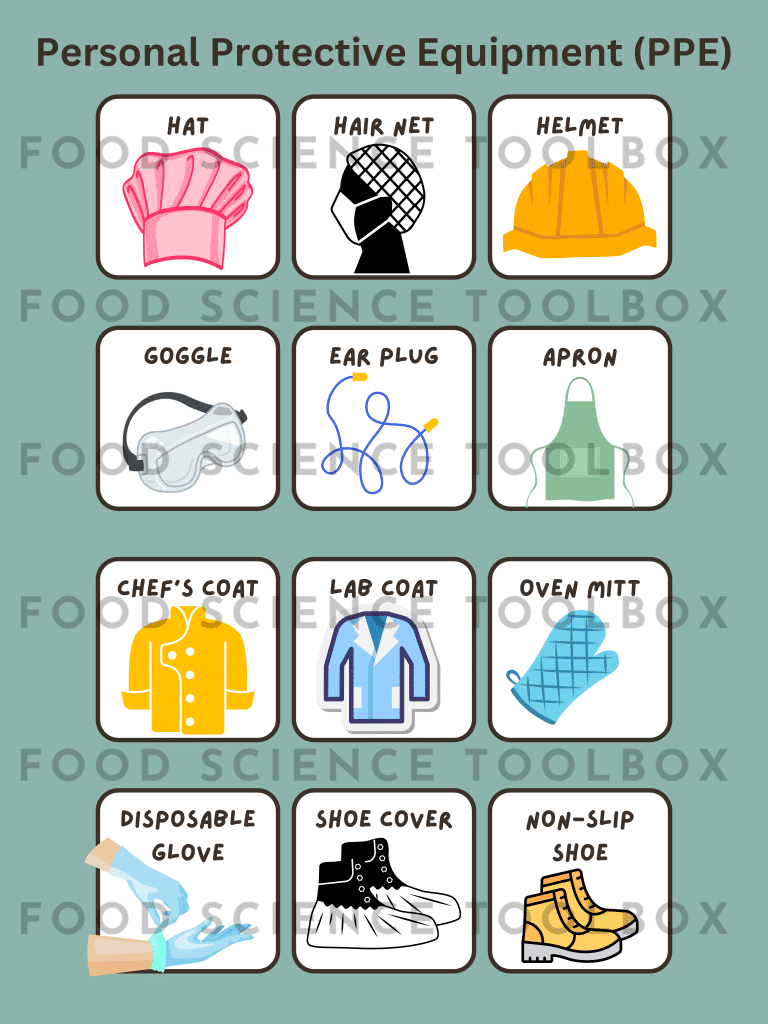
Wearing appropriate PPE can significantly reduce the likelihood of accidents and injuries in the manufacturing industry. For example, safety goggles can protect eyes from debris or chemicals, gloves can shield hands from cuts or burns, and ear defenders can prevent hearing damage from loud machinery.
Employers have a legal responsibility to provide suitable PPE to their employees and ensure that it is used correctly. Additionally, workers must be trained on how to properly wear and maintain their PPE to maximize its effectiveness.
Regular risk assessments should be conducted to identify potential hazards in the workplace and determine the necessary PPE for each task. By implementing strict PPE protocols and procedures, manufacturers can create a safer working environment for their employees.
Ultimately, investing in high-quality PPE not only protects workers from harm but also boosts productivity by reducing downtime due to injuries. It is essential for both employers and employees to recognise the importance of PPE in the manufacturing industry and prioritise safety above all else.
Comprehensive Guide to PPE in the Manufacturing Industry: Addressing Key Questions and Best Practices
- What is Personal Protective Equipment (PPE) in the manufacturing industry?
- Why is PPE important in the manufacturing industry?
- What are the different types of PPE commonly used in manufacturing?
- How should employers determine the appropriate PPE for their workers in a manufacturing setting?
- What training is required for employees regarding the use of PPE in manufacturing?
- How often should PPE be inspected and replaced in a manufacturing environment?
- What are the consequences of not wearing proper PPE in a manufacturing facility?
- Are there specific regulations or standards that govern the use of PPE in the manufacturing industry?
- How can employers promote a culture of safety and compliance with regard to PPE among their workforce?
What is Personal Protective Equipment (PPE) in the manufacturing industry?
Personal Protective Equipment (PPE) in the manufacturing industry refers to specialized garments, equipment, or accessories designed to protect workers from various hazards present in their work environment. These hazards can include physical, chemical, biological, or ergonomic risks that may pose a threat to the safety and health of employees. PPE serves as a crucial line of defence against potential injuries or illnesses by creating a barrier between the worker and the hazard. Examples of PPE commonly used in manufacturing settings include safety goggles, gloves, helmets, ear defenders, high-visibility vests, and respirators. Employers are responsible for providing appropriate PPE to their workers and ensuring that it is worn correctly to minimise the risk of accidents and promote a safe working environment.
Why is PPE important in the manufacturing industry?
Personal Protective Equipment (PPE) is crucial in the manufacturing industry for several reasons. Firstly, PPE acts as a vital line of defence against various workplace hazards, including chemicals, sharp objects, noise, and heat. By wearing appropriate PPE, workers can significantly reduce the risk of injuries and illnesses while carrying out their tasks. Additionally, PPE helps to create a safe working environment by providing a physical barrier between employees and potential dangers. Employers have a legal obligation to provide suitable PPE to their workers, ensuring their health and safety are prioritised. Overall, the importance of PPE in the manufacturing industry lies in its ability to protect workers from harm and promote a culture of safety within the workplace.
What are the different types of PPE commonly used in manufacturing?
In the manufacturing industry, various types of Personal Protective Equipment (PPE) are commonly used to ensure the safety of workers. Some of the most frequently used PPE in manufacturing include safety goggles to protect the eyes from debris and chemicals, ear defenders to prevent hearing damage from loud machinery, gloves to shield hands from cuts and burns, helmets to safeguard against head injuries, high-visibility clothing for visibility in hazardous environments, and respiratory protection such as masks or respirators to prevent inhalation of harmful substances. Each type of PPE serves a specific purpose in mitigating risks and keeping workers safe in manufacturing settings.
How should employers determine the appropriate PPE for their workers in a manufacturing setting?
In a manufacturing setting, employers should determine the appropriate Personal Protective Equipment (PPE) for their workers by conducting thorough risk assessments. By identifying potential hazards in the workplace, such as chemical exposure, noise levels, sharp objects, or heat sources, employers can assess the specific needs for protective gear. Additionally, consulting with health and safety professionals can provide valuable insights into selecting the right PPE for each task. It is crucial for employers to consider the nature of the work being carried out, the level of risk involved, and any regulatory requirements when determining the most suitable PPE to ensure the safety and well-being of their workers in the manufacturing industry.
What training is required for employees regarding the use of PPE in manufacturing?
In the manufacturing industry, employees are required to undergo comprehensive training on the proper use of Personal Protective Equipment (PPE). This training is essential to ensure that workers understand the importance of PPE, know how to correctly wear and adjust it, and are aware of its limitations. Employees should be educated on the specific hazards present in their work environment and the corresponding PPE needed for protection. Training sessions typically cover topics such as selecting the right PPE for different tasks, proper maintenance and storage of equipment, and emergency procedures. By providing thorough training on PPE usage, employers can empower their employees to work safely and minimise the risk of workplace accidents or injuries.
How often should PPE be inspected and replaced in a manufacturing environment?
In a manufacturing environment, it is crucial to regularly inspect and replace Personal Protective Equipment (PPE) to ensure its effectiveness and the safety of workers. The frequency of inspections and replacements may vary depending on the type of PPE and the specific hazards present in the workplace. Generally, PPE should be inspected before each use to check for any signs of damage or wear. Additionally, regular scheduled inspections should be conducted according to manufacturer guidelines or industry standards. If any defects or issues are identified during inspection, the PPE should be replaced immediately to maintain its protective qualities. By following a strict inspection and replacement schedule, manufacturers can uphold safety standards and protect their employees from potential risks.
What are the consequences of not wearing proper PPE in a manufacturing facility?
Failing to wear proper Personal Protective Equipment (PPE) in a manufacturing facility can have serious consequences for both employees and the workplace. Without adequate protection, workers are at risk of sustaining injuries such as cuts, burns, chemical exposure, hearing damage, or even more severe accidents. These injuries can result in pain and suffering for the individual, leading to medical expenses, lost productivity, and potential long-term health issues. Moreover, not wearing proper PPE can also impact the overall safety culture of the workplace, creating a hazardous environment that may lead to increased accident rates and regulatory violations. It is crucial for employers and employees to recognise the importance of wearing appropriate PPE to prevent such negative outcomes and ensure a safe working environment for all.
Are there specific regulations or standards that govern the use of PPE in the manufacturing industry?
In the manufacturing industry, the use of Personal Protective Equipment (PPE) is governed by specific regulations and standards to ensure the safety of workers. Various regulatory bodies, such as the Health and Safety Executive (HSE) in the UK, have established guidelines that outline the requirements for PPE usage in different work environments. These regulations mandate that employers provide appropriate PPE to employees free of charge and ensure its proper maintenance and usage. Adhering to these standards not only protects workers from potential hazards but also helps companies maintain compliance with health and safety laws in the manufacturing sector.
How can employers promote a culture of safety and compliance with regard to PPE among their workforce?
To promote a culture of safety and compliance with regard to Personal Protective Equipment (PPE) among their workforce, employers can take several proactive steps. Firstly, it is crucial for employers to lead by example by consistently wearing and prioritising the use of PPE themselves. Additionally, providing comprehensive training on the importance of PPE, proper usage, maintenance, and disposal procedures is essential. Employers should also involve employees in the selection process of PPE to ensure that the equipment is comfortable and suitable for their tasks. Regular communication about safety protocols, conducting regular safety audits, and recognising and rewarding employees who adhere to PPE guidelines can further reinforce a culture of safety within the manufacturing industry. By fostering a supportive environment that values safety above all else, employers can effectively promote compliance with PPE regulations and protect the well-being of their workforce.