
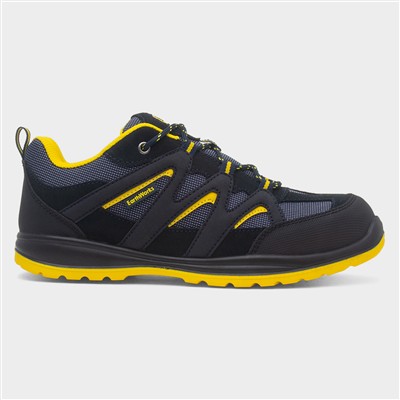
Men’s Safety Toe Work Shoes: A Practical Guide
Men’s safety toe work shoes combine the protective features of safety footwear with the lighter, more familiar style of a shoe. They can be a practical choice for workers who need toe protection but prefer a lower-cut design to traditional safety boots. The right pair should suit the hazards, conditions and demands of the job—not just look the part.
What are safety toe work shoes?
Safety toe shoes have a protective cap built into the front of the footwear. It is designed to help protect the toes from hazards such as falling or rolling objects. Toe caps are commonly made from steel or non-metal materials such as composite materials. Either type may be suitable, but the footwear must meet the required safety standard for the work being done.
Safety shoes may also include features such as slip-resistant soles, protection against sharp objects underfoot, water resistance or antistatic properties. These features vary by model, so check the product’s markings and specification rather than assuming every safety shoe provides the same protection.
Understanding safety ratings
In the UK, safety footwear is commonly certified to BS EN ISO 20345. The marking and accompanying product information indicate which protective features the footwear offers. Depending on the footwear and the standard version, ratings may include categories such as S1, S1P, S2 and S3, as well as newer classifications.
- Toe protection: Look for footwear certified as safety footwear under the relevant standard.
- Slip resistance: Check that the sole is appropriate for the floors and substances found at your workplace.
- Penetration resistance: If sharp objects underfoot are a risk, check whether the shoe has a protective midsole and what type it uses.
- Water resistance: Some shoes are designed for damp conditions, but not all are suitable for prolonged exposure to water.
- Electrical and static properties: Antistatic footwear is not the same as electrically insulating footwear. Follow your workplace guidance for electrical risks.
Always check the exact rating and intended use. A particular feature should not be assumed unless it is stated in the product information.
How to choose the right pair
Start with the hazards
Consider the risks identified in your workplace assessment. A warehouse operative may need reliable grip and toe protection, while someone working outdoors may also need weather-appropriate materials and a sole suited to uneven ground. If you are unsure which rating is required, ask your employer or safety representative before buying.
Get the fit right
Safety shoes should feel secure without squeezing the toes or rubbing the heel. Try them on with the socks you normally wear at work, and check that there is enough room for your toes to move comfortably without your foot sliding around. Feet can vary in width and shape, so use the manufacturer’s size guide and look for a suitable fit—not simply a particular label or style.
If you wear orthotic insoles, check whether they can be used with the footwear without affecting its fit or certified protective performance. Where possible, try the shoes on later in the day, when feet may be slightly larger.
Consider comfort for long shifts
For people who spend much of the day standing or walking, weight, cushioning, flexibility and breathability can make a noticeable difference. A lighter shoe may feel more comfortable, but it still needs to provide the protection required for the job. Look for a secure fastening and a supportive fit, and avoid choosing a pair based on appearance alone.
Choose materials for the working environment
Leather and synthetic uppers have different care needs and may suit different conditions. Mesh panels can improve ventilation, while more closed or water-resistant designs may be preferable in damp or dirty workplaces. The shoe’s care instructions will help you understand how to clean it and maintain its materials.
Steel toe or composite toe?
Steel toe caps are a familiar option, while composite caps are made from non-metal materials. Composite footwear may be lighter in some designs and can be useful where metal-free footwear is required. However, features vary between products, and neither material is automatically the best choice for every worker. Compare the certified protection, fit, weight and workplace requirements of the specific shoes.
Care and replacement
Clean safety shoes according to the manufacturer’s instructions and allow them to dry naturally, away from direct heat. Check them regularly for damage, worn soles, loose stitching or changes to the protective toe area. Replace footwear if its protective components are damaged or if it no longer fits securely. Follow your employer’s inspection and replacement procedures.
Final thoughts
The best men’s safety toe work shoes are those that fit well, feel comfortable throughout the working day and provide the certified protection required for the task. Check the standard and product markings, consider the conditions you work in, and follow your employer’s guidance. Good fit and suitable protection matter far more than style alone.
Top 9 Benefits of Men’s Safety Toe Work Shoes for Workplace Protection and Comfort
- Protect toes from impact hazards.
- Offer a lighter alternative to many safety boots.
- Suit jobs requiring a low-cut design.
- Available with slip-resistant soles.
- Some models include puncture-resistant midsoles.
- Choice of steel or composite toe caps.
- Many designs offer cushioned support.
- Available in styles for different workplaces.
- Can be comfortable for long shifts when well fitted.
Considerations on Comfort and Cost: The Drawbacks of Men’s Safety Toe Work Shoes
- Can feel heavier and less flexible than ordinary work shoes.
- May cause rubbing or discomfort if the fit is wrong.
- Often cost more than non-safety footwear.
Protect toes from impact hazards.
Men’s safety toe work shoes help protect toes from impact hazards, such as falling tools, equipment or materials. Their reinforced toe caps are designed to reduce the risk of injury in workplaces where heavy or awkward objects may be dropped or knocked against the foot. Choose footwear with a safety rating suited to the specific hazards identified in your workplace.
Offer a lighter alternative to many safety boots.
Men’s safety toe work shoes can offer a lighter alternative to many safety boots, which may feel more comfortable for jobs involving frequent walking or long periods on your feet. Their lower-cut design can also allow greater freedom of movement around the ankle, while still providing certified toe protection. The weight and comfort vary between styles, so check the product details and choose footwear that meets your workplace’s safety requirements.
Suit jobs requiring a low-cut design.
Men’s safety toe work shoes are a practical option for jobs where a low-cut design is preferred or required. Their below-the-ankle shape allows easier movement around the ankle than many traditional safety boots, which can be useful for indoor work, frequent walking or tasks involving regular bending. They still provide certified toe protection, provided the chosen pair meets the safety requirements of the workplace.
Available with slip-resistant soles.
Many men’s safety toe work shoes are available with slip-resistant soles, helping to improve grip on potentially slippery surfaces such as smooth floors or damp walkways. This can make them a practical choice for busy workplaces where footing may change throughout the day. Check the product specifications to ensure the sole is suitable for the conditions you work in, as slip resistance varies between styles.
Some models include puncture-resistant midsoles.
Some men’s safety toe work shoes include puncture-resistant midsoles to help protect the soles of the feet from hazards such as nails, shards or other sharp objects underfoot. This feature can be useful on construction sites, in warehouses and in other workplaces where debris may be present. Protection varies between models, so check the footwear’s certification and product details to make sure it suits the risks in your workplace.
Choice of steel or composite toe caps.
Men’s safety toe work shoes are available with either steel or composite toe caps, giving workers a choice to suit their job and preferences. Steel caps offer robust toe protection, while composite caps are non-metallic and may be lighter in some designs. The best option depends on the footwear’s certified rating, workplace requirements and how comfortable the shoes feel, so check the product details before choosing.
Many designs offer cushioned support.
Many men’s safety toe work shoes feature cushioned support to help make long shifts on your feet more comfortable. Padded insoles and shock-absorbing midsoles can soften the impact of walking on hard surfaces, while a supportive fit may help reduce foot fatigue. Comfort varies between designs, so it is worth choosing a pair that fits well and suits the demands of your workplace.
Available in styles for different workplaces.
Men’s safety toe work shoes are available in styles to suit a wide range of workplaces, from smart, discreet designs for customer-facing roles to rugged, grippy options for warehouses, workshops and outdoor jobs. This variety makes it easier to choose footwear that fits both the working environment and the required level of protection, while still offering a comfortable, professional appearance.
Can be comfortable for long shifts when well fitted.
When properly fitted, men’s safety toe work shoes can stay comfortable through long shifts. A secure fit, adequate room for the toes and supportive cushioning can help reduce rubbing and tired feet while you’re standing or walking. Trying them on with your usual work socks is a good way to check they feel comfortable before wearing them on the job.
Can feel heavier and less flexible than ordinary work shoes.
Men’s safety toe work shoes can feel heavier and less flexible than ordinary work shoes because of their protective toe caps and reinforced construction. This may make them less comfortable during long shifts or when a job involves frequent walking, bending or climbing. Choosing a well-fitted, lightweight pair can help, but it is important not to compromise on the protection required for the workplace.
May cause rubbing or discomfort if the fit is wrong.
Men’s safety toe work shoes can cause rubbing or discomfort if they do not fit properly. Shoes that are too tight may press against the toes, while a loose fit can let the foot slide and rub against the heel or sides. This may lead to blisters, sore spots or discomfort during long shifts, so it is important to choose the correct size and width and try the shoes on with your usual work socks.
Often cost more than non-safety footwear.
Men’s safety toe work shoes often cost more than non-safety footwear because they include certified protective features, such as a reinforced toe cap and, in some models, specialist soles or water-resistant materials. The higher initial price can be a drawback, particularly if you need to replace them regularly. Comparing prices and choosing a pair suited to your workplace can help you balance cost, comfort and the protection required.