
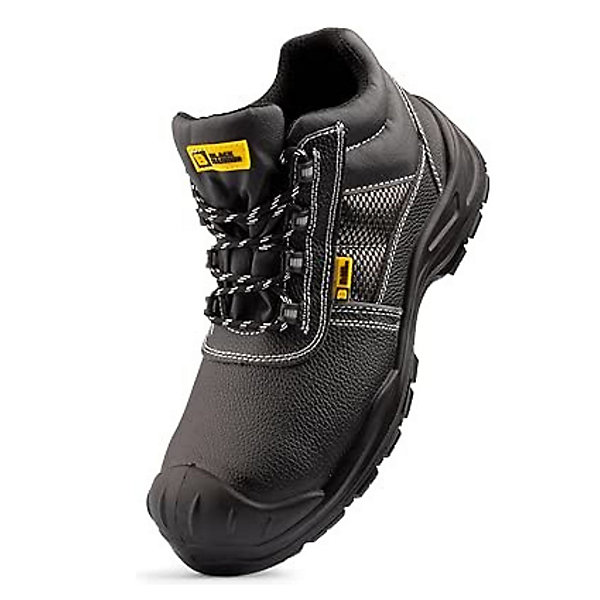
Men’s Safety Footwear: How to Choose the Right Pair
Men’s safety footwear helps protect feet from workplace hazards while providing the comfort and support needed for a full day on the job. From construction sites and warehouses to workshops and kitchens, the right footwear can reduce the risk of injuries caused by falling objects, sharp materials, slips and other hazards.
Not every job requires the same level of protection. Choosing suitable footwear starts with understanding the risks in the workplace, then finding a pair that meets the relevant safety requirements and fits well.
What does safety footwear protect against?
Depending on its design, safety footwear may offer protection from:
- Impact and compression: A protective toe cap helps shield toes from falling or heavy objects.
- Penetration: A protective midsole can help prevent sharp objects, such as nails, from passing through the sole.
- Slips: A slip-resistant outsole can improve grip on surfaces where oil, water or other substances may be present.
- Water and damp conditions: Water-resistant or waterproof footwear can help keep feet drier, depending on the design and materials.
- Electrical or static-related hazards: Some footwear is designed for particular electrical or electrostatic environments. These features are specialised and should be selected according to workplace guidance.
- Heat, cold or chemicals: Certain models are made for specific environments, but protection varies and should be checked against the product specification.
Features are not interchangeable: a boot that protects against impact, for example, may not be suitable for a chemical-handling area. The workplace risk assessment should guide the choice.
Understanding safety standards
When buying men’s safety footwear in the UK, check the product labelling and manufacturer’s information for the applicable safety standard and protection features. Many products are tested to the EN ISO 20345 series, which covers safety footwear, but the precise requirements and markings can vary by edition and product type.
Do not choose footwear based on a label alone. Check what the markings mean for that specific pair, and confirm that the footwear is suitable for the hazards identified at work. An employer or health and safety representative can help clarify the required specification.
Boots, shoes or trainers?
The best style depends on the work and the environment:
- Safety boots can provide additional ankle coverage and are often chosen for construction, outdoor work and uneven ground.
- Safety shoes are usually lighter and may suit warehouses, workshops and indoor settings.
- Safety trainers offer a more casual look and can feel flexible, but still need to provide the protection required for the job.
Appearance should come after suitability. A lighter style is not the right choice if the workplace requires more coverage or a specific protective feature.
Fit and comfort matter
Safety footwear is worn for long periods, so a good fit is essential. Try footwear on with the socks normally worn at work, and check that there is enough room for toes to move without the foot sliding inside the shoe. The heel should feel secure, and the footwear should not pinch or rub.
If possible, try on both shoes later in the day, when feet may be slightly larger. Remember that sizes can differ between brands and styles. Insoles may improve comfort, but they should not compromise the fit or the footwear’s protective performance. Follow the manufacturer’s guidance when replacing them.
Care and replacement
Keep safety footwear clean and allow it to dry naturally, away from direct heat. Check it regularly for worn tread, split seams, damaged uppers, loose soles or visible damage to the toe area. If footwear has been exposed to a serious impact or its protective components are damaged, it may no longer offer the intended protection.
Replace footwear when it is worn or damaged, and follow the manufacturer’s care and replacement advice. Cleaning and maintenance can help extend its useful life, but they cannot restore protection to a damaged pair.
Choosing with confidence
The right men’s safety footwear combines the protection required for the job with a secure, comfortable fit. Identify the workplace hazards first, check the product’s specifications and safety markings, and choose a style suited to the conditions. When in doubt, seek advice from the employer or a health and safety professional before making a purchase.
Essential Guide to Men’s Safety Footwear: Understanding Types, Selection, Ratings, Fit, and Replacement
- What is the difference between safety boots, safety shoes and safety trainers?
- How do I choose the right safety footwear for my job?
- What do the safety ratings and markings on men’s safety footwear mean?
- How should men’s safety footwear fit?
- When should I replace my safety footwear?
What is the difference between safety boots, safety shoes and safety trainers?
Safety boots, safety shoes and safety trainers differ mainly in their design, coverage and feel. Safety boots usually rise above the ankle, offering more coverage and support, which can suit outdoor work or uneven ground. Safety shoes sit below the ankle and are often lighter and less bulky, making them a practical choice for many indoor workplaces. Safety trainers have a more casual, flexible style and may feel lighter, but they still need to provide the protection required for the job. Whichever style you choose, check that it meets your workplace’s safety requirements and fits comfortably.
How do I choose the right safety footwear for my job?
To choose the right safety footwear, start by checking your workplace risk assessment and any employer requirements, as different jobs call for different protection. Consider hazards such as falling objects, sharp materials, slippery surfaces, water, heat or electrical risks, then check the footwear’s safety markings and manufacturer’s specifications to ensure it is suitable. Choose a style—boots, shoes or safety trainers—that suits your working conditions, and make sure it fits securely with enough room for your toes. If you are unsure which features you need, ask your employer or health and safety representative for guidance.
What do the safety ratings and markings on men’s safety footwear mean?
Safety ratings and markings show which hazards a pair of men’s safety footwear has been tested to protect against. Look for the applicable standard, such as EN ISO 20345, and check the product information for features such as a protective toe cap, slip resistance, water resistance or a penetration-resistant midsole. The exact symbols and requirements can vary, so don’t assume that every safety shoe offers the same protection. Choose footwear that matches your workplace risk assessment, and ask your employer or a health and safety professional if you’re unsure what a marking means.
How should men’s safety footwear fit?
Men’s safety footwear should feel secure and comfortable, with enough room to wiggle your toes without your feet slipping inside. The heel should stay in place, and the footwear should not pinch, rub or put pressure on any part of your foot. Try it on with the socks you normally wear at work, and check the fit on both feet, as they may differ slightly in size. If you use insoles, make sure they are compatible with the footwear and do not affect its protective fit.
When should I replace my safety footwear?
Replace your safety footwear if it is damaged, excessively worn or no longer fits securely. Check it regularly for worn tread, split seams, loose soles, cracks or damage to the protective toe cap or midsole; footwear may also need replacing after a heavy impact, even if the damage is not obvious. Follow the manufacturer’s care and replacement guidance, and ask your employer or a safety professional if you are unsure whether it still offers adequate protection.