
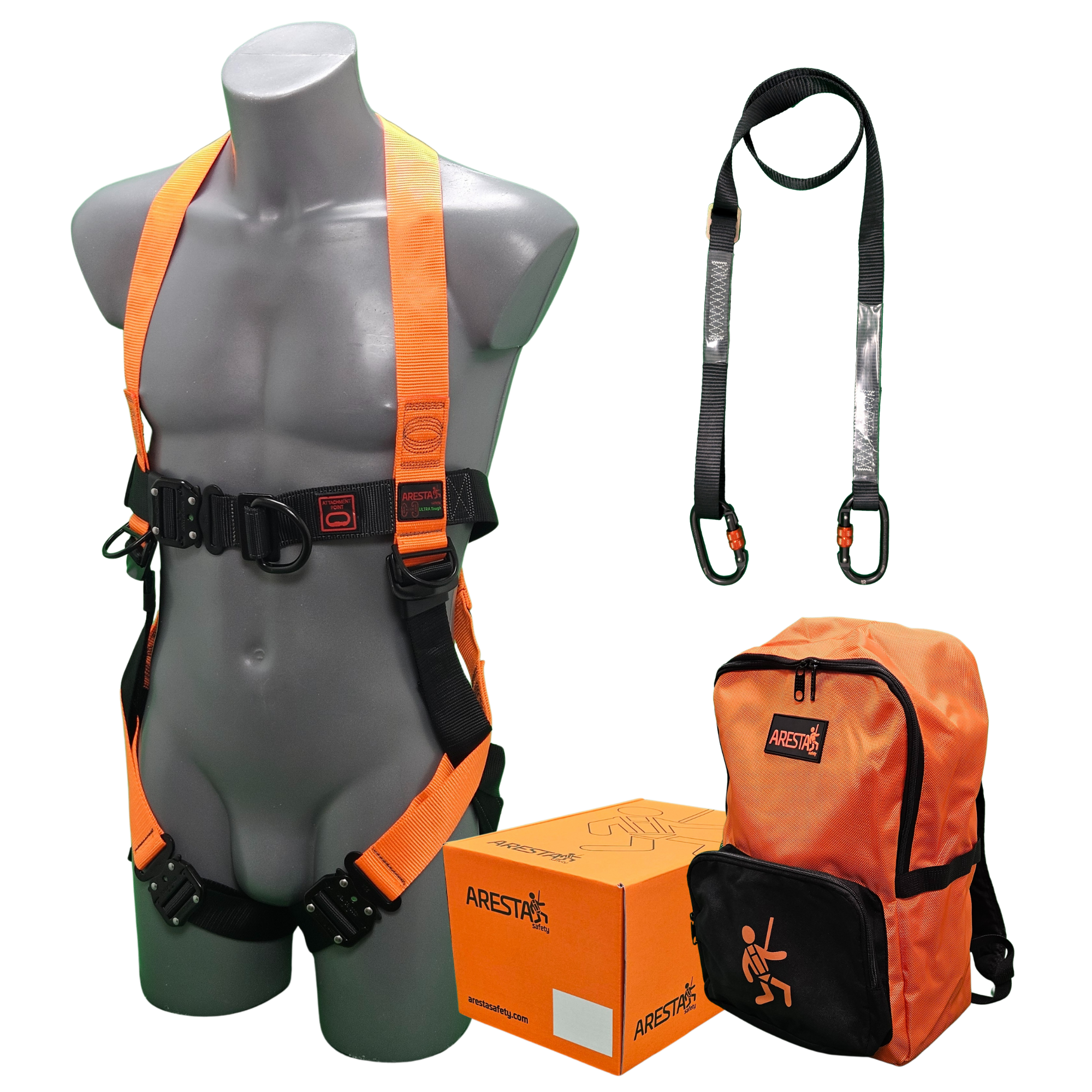
Choosing and Using a Menards Safety Harness
A safety harness is essential equipment for many tasks carried out at height. Menards sells products for construction, maintenance and other work, but the harnesses and systems available can vary by store and over time. Before buying, check the product label, instructions and applicable safety requirements for the work you need to do.
What does a safety harness do?
A full-body harness is designed to distribute the forces of a fall across the wearer’s body when used as part of a compatible fall-arrest system. That system may include a connecting device, such as a lanyard or self-retracting lifeline, and a suitable anchorage point. A harness alone does not prevent a fall or make working at height safe.
Some systems are intended for fall restraint, which keeps the wearer from reaching a fall hazard. Others are designed to arrest a fall after one has occurred. Use equipment only for the purpose specified by its manufacturer.
How to choose a harness
- Check the task: Consider the work, the possible fall hazards, the user’s movements and the conditions on site. A harness suitable for one task may not be suitable for another.
- Check the rating and standard: Read the product label and instructions to confirm that the harness is appropriate for the intended use and meets the requirements that apply where the work will take place. For work in the UK, check the relevant UK requirements and applicable standards, such as BS EN 361 for full-body harnesses. US products may refer to different standards and rules; do not assume they are interchangeable.
- Get the right fit: Choose a size that can be adjusted securely over the clothing worn for the task. The harness should be comfortable enough to wear correctly throughout the job.
- Check compatibility: Make sure every part of the system is approved for use together and connected as instructed. Do not combine components simply because their fittings appear to match.
- Plan for clearance and rescue: Confirm that there is enough clear space below the work area for the system to operate without the wearer striking the ground or an obstruction. A rescue plan is also necessary in case someone is left suspended after a fall.
Inspect and fit it correctly
Inspect the harness before each use and follow the manufacturer’s inspection schedule. Look for cuts, fraying, damaged stitching, corrosion, deformation, missing labels or other signs of wear. Check buckles and adjustment points, and examine any connected equipment separately. Remove damaged or suspect equipment from service and follow the manufacturer’s guidance; do not repair it unless authorised to do so.
Put the harness on according to its instructions. Adjust the straps so they lie flat and are snug without restricting movement or breathing. Check that buckles are fastened correctly and that the attachment point is positioned as specified. If the harness has been involved in a fall, stop using it and follow the manufacturer’s instructions for withdrawal from service.
Safe use matters
Anyone using fall-protection equipment should receive suitable training and understand how the complete system works. The work should be planned by a competent person, with safe access, suitable anchorage and a method of rescue considered before work begins. Where possible, use measures that prevent a fall rather than relying on equipment to arrest one.
A Menards safety harness may be one option when sourcing equipment, but the right choice depends on the task, the user, the rest of the system and local requirements. Always read the manufacturer’s instructions and consult a qualified safety professional if you are unsure whether a product is suitable.
Essential Information on Safety Harnesses: Types, Regulations, and Costs
- What are the three types of safety harnesses?
- What is the OSHA safety harness rule?
- What is the 6 foot harness rule?
- How much does a safety harness cost?
What are the three types of safety harnesses?
The three commonly discussed types of safety harness are fall-arrest, work-positioning and suspension harnesses. A fall-arrest harness is used with a compatible system to stop a fall; a work-positioning harness supports a worker in place while leaving their hands free; and a suspension harness is designed for tasks where a person must work while suspended. Some harnesses combine features, so always check the manufacturer’s instructions and make sure the equipment is suitable for the task and used as part of a properly planned safety system.
What is the OSHA safety harness rule?
OSHA does not require a safety harness for every job; its rules require suitable fall protection when workers face fall hazards. In US construction, protection is generally required when working 6 feet (1.8 metres) or more above a lower level, while general-industry rules commonly set a 4-foot (1.2-metre) threshold, with exceptions depending on the task. Where a personal fall-arrest system is used, it must meet OSHA requirements, be properly fitted and inspected, and be part of a compatible system with suitable anchorage and a rescue plan. Always check the specific OSHA standard and the manufacturer’s instructions for the work involved.
What is the 6 foot harness rule?
The “6-foot harness rule” usually refers to US OSHA construction rules, which generally require fall protection when workers are exposed to a fall of 6 feet (about 1.8 metres) or more to a lower level. It does not mean that a harness alone is enough: where a personal fall-arrest system is used, the full system must be suitable, correctly fitted and connected to an appropriate anchorage, with adequate clearance and a rescue plan. Requirements can vary by task and workplace, so check the applicable rules and the equipment manufacturer’s instructions.
How much does a safety harness cost?
The cost of a safety harness at Menards varies depending on the brand, features and whether you’re buying a harness on its own or a complete fall-protection kit. Check Menards’ current online listings or your local store for up-to-date prices and availability, and make sure the equipment meets the requirements for your task.