
The Importance of PPE in Industrial Safety
Personal Protective Equipment (PPE) plays a crucial role in ensuring the safety and well-being of workers in industrial settings. PPE is designed to protect workers from various hazards and risks that they may encounter during their work activities.
One of the primary reasons why PPE is essential in industrial safety is to prevent injuries and accidents. In industries where workers are exposed to hazards such as chemicals, sharp objects, extreme temperatures, noise, or flying debris, wearing the appropriate PPE can significantly reduce the risk of injury.
PPE also helps to protect workers from long-term health effects caused by exposure to harmful substances or conditions. For example, wearing respiratory protection can prevent respiratory illnesses caused by inhaling toxic fumes or dust particles.
Furthermore, PPE promotes a culture of safety in the workplace. When employers provide and enforce the use of PPE, they demonstrate their commitment to prioritising the health and safety of their employees. This, in turn, fosters a safer work environment where employees feel valued and protected.
It is essential for employers to provide proper training on the correct use and maintenance of PPE. Workers should be educated on when and how to use each type of equipment effectively. Regular inspections and replacements of worn-out or damaged PPE are also crucial to ensure continued protection.
In conclusion, Personal Protective Equipment is an indispensable component of industrial safety measures. By investing in high-quality PPE and ensuring its proper use, employers can create a safer workplace for their employees while reducing the incidence of accidents and injuries.
Essential FAQs on PPE for Industrial Safety: Types, Uses, and Examples
- What are the PPE for industrial safety?
- What are 5 different types of PPE?
- What are the 5 PPE safety?
- What is PPE used for in industrial safety?
- What are the 4 types of PPE?
- What is the 10 example of PPE?
- What is PPE for industrial environment?
- What are the 7 basic PPE?
What are the PPE for industrial safety?
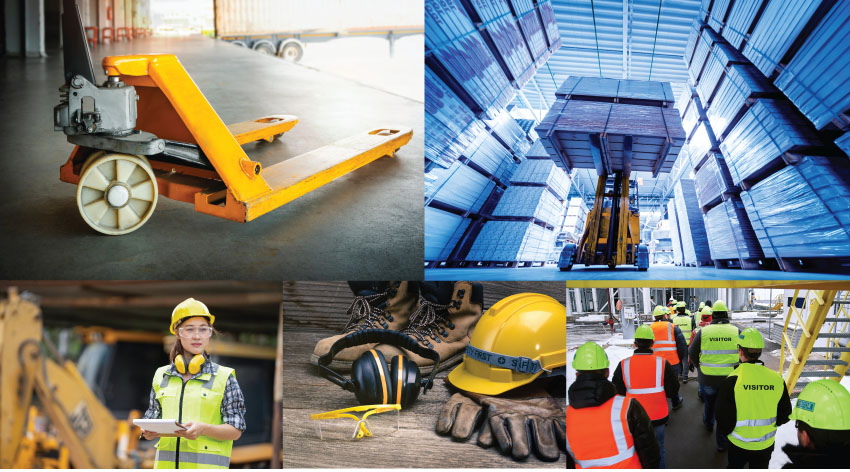
When it comes to industrial safety, Personal Protective Equipment (PPE) plays a vital role in safeguarding workers from various hazards present in the workplace. The specific PPE required will depend on the nature of the tasks and potential risks involved. Common types of PPE for industrial safety include safety helmets, goggles or face shields for eye protection, ear defenders for hearing protection, gloves for hand protection, safety boots for foot protection, high-visibility clothing for visibility in low-light conditions, respiratory protection for breathing in hazardous environments, and protective clothing such as coveralls or aprons. It is essential for employers to assess the workplace risks and provide appropriate PPE to ensure the well-being of their employees.
What are 5 different types of PPE?
In the realm of industrial safety, Personal Protective Equipment (PPE) encompasses a diverse range of gear designed to safeguard workers from various hazards. Five fundamental types of PPE commonly used in industrial settings include protective clothing (such as coveralls and high-visibility vests), eye protection (safety glasses or goggles), respiratory protection (masks or respirators), hand protection (gloves), and foot protection (safety boots or shoes). Each type of PPE serves a specific purpose in mitigating risks and ensuring the well-being of workers in potentially hazardous environments.
What are the 5 PPE safety?
In industrial safety, the term “5 PPE safety” refers to the five essential categories of Personal Protective Equipment (PPE) that are commonly used to protect workers from workplace hazards. These include head protection (such as helmets), eye protection (like safety glasses or goggles), hearing protection (such as earplugs or earmuffs), respiratory protection (including masks or respirators), and hand protection (like gloves). Each of these PPE categories serves a specific purpose in safeguarding workers against different types of risks, emphasising the importance of wearing the appropriate protective gear to ensure a safe working environment.
What is PPE used for in industrial safety?
Personal Protective Equipment (PPE) is utilised in industrial safety to provide essential protection for workers against various hazards and risks present in the workplace. PPE serves as a crucial line of defence, safeguarding individuals from potential injuries, illnesses, and accidents caused by exposure to harmful substances, extreme conditions, or dangerous equipment. By wearing the appropriate PPE, such as helmets, gloves, goggles, or respiratory masks, workers can mitigate the risks associated with their tasks and ensure their safety while performing job duties in industrial environments.
What are the 4 types of PPE?
In the realm of industrial safety, understanding the four main types of Personal Protective Equipment (PPE) is essential for safeguarding workers against potential hazards. The four primary categories of PPE include protective clothing (such as coveralls and high-visibility vests), eye protection (like safety goggles and face shields), respiratory protection (such as masks and respirators), and hand protection (including gloves). Each type of PPE serves a specific purpose in shielding workers from various risks, underscoring the importance of selecting and utilising the appropriate equipment to ensure comprehensive workplace safety.
What is the 10 example of PPE?
Personal Protective Equipment (PPE) encompasses a wide range of gear designed to safeguard workers from various workplace hazards. Ten common examples of PPE include safety helmets to protect against head injuries, safety goggles for eye protection, earplugs or earmuffs to reduce noise exposure, gloves to shield hands from cuts and chemicals, high-visibility clothing for increased visibility in low-light conditions, respirators for breathing protection, safety footwear to prevent foot injuries, fall protection equipment such as harnesses and lanyards, face shields for face and neck protection, and protective clothing like coveralls or aprons to shield against contaminants. These examples highlight the diverse nature of PPE and its importance in ensuring the safety and well-being of workers in industrial settings.
What is PPE for industrial environment?
In the context of an industrial environment, Personal Protective Equipment (PPE) refers to specialized gear and clothing designed to safeguard workers against various workplace hazards. This includes equipment such as helmets, gloves, safety goggles, ear protection, high-visibility clothing, respiratory masks, and safety footwear. PPE serves as a critical line of defence for workers in industrial settings, offering protection against physical, chemical, biological, radiological, and other occupational risks. By wearing the appropriate PPE tailored to specific job tasks and potential dangers present in the workplace, employees can significantly reduce the likelihood of injury or illness while carrying out their duties safely and effectively.
What are the 7 basic PPE?
In industrial safety, the 7 basic Personal Protective Equipment (PPE) items are essential for ensuring the protection of workers against various workplace hazards. These include head protection (such as helmets), eye protection (safety glasses or goggles), hearing protection (earplugs or earmuffs), respiratory protection (masks or respirators), hand protection (gloves), foot protection (safety boots or shoes), and body protection (coveralls or vests). Each of these PPE items serves a specific purpose in safeguarding workers from potential injuries and health risks, highlighting the importance of having a comprehensive PPE programme in place to promote a safe working environment.