
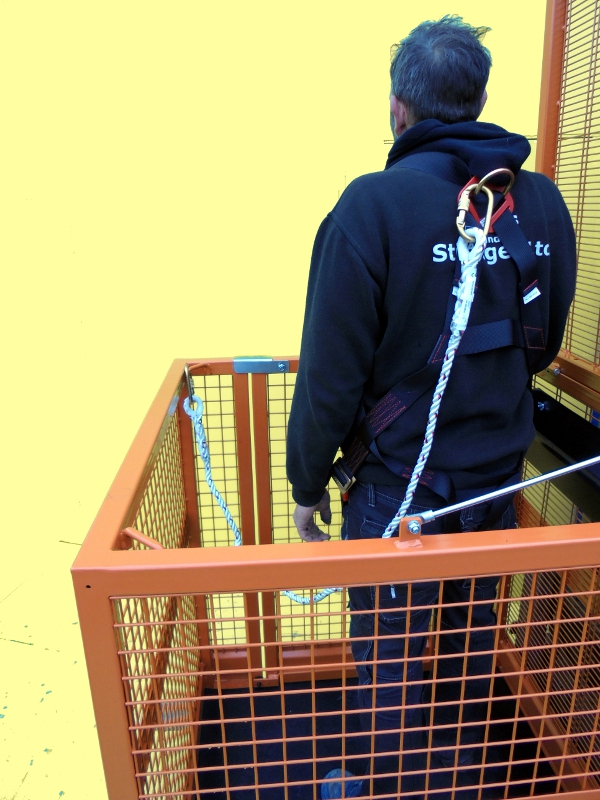
The Importance of Forklift Safety Harnesses
Operating a forklift can be a risky task, especially in busy industrial environments. To ensure the safety of forklift operators, the use of safety harnesses is crucial. A forklift safety harness is a vital piece of personal protective equipment that can prevent accidents and save lives.
One of the main reasons why forklift operators should wear safety harnesses is to protect them from falling out of the forklift in case of sudden stops, sharp turns, or tip-overs. These accidents can happen unexpectedly, and without a safety harness, the operator risks serious injury or even death.
In addition to preventing falls, safety harnesses also help to keep operators securely positioned within the forklift cabin. This reduces the risk of being thrown off balance during sudden movements or when operating on uneven terrain. By wearing a safety harness, operators can maintain better control over the vehicle and avoid accidents caused by loss of stability.
Furthermore, wearing a safety harness promotes a culture of safety in the workplace. It sends a clear message that safety is a top priority and that all necessary precautions are being taken to protect employees. This not only benefits individual operators but also contributes to overall workplace safety standards.
In conclusion, forklift safety harnesses play a vital role in ensuring the well-being of forklift operators and preventing accidents in industrial settings. By making it mandatory for operators to wear safety harnesses at all times while operating a forklift, employers can significantly reduce the risk of injuries and create a safer work environment for everyone involved.
Essential Information on Forklift Safety Harnesses: Importance, Legal Requirements, and Best Practices
- 1. What is a forklift safety harness and why is it important?
- 2. How does a forklift safety harness help prevent accidents?
- 3. Are forklift operators required to wear safety harnesses by law?
- 4. What are the key features to look for in a quality forklift safety harness?
- 5. How should a forklift safety harness be properly fitted and adjusted?
- 6. Can wearing a safety harness improve overall workplace safety culture?
- 7. What are the consequences of not wearing a forklift safety harness while operating the vehicle?
1. What is a forklift safety harness and why is it important?
A forklift safety harness is a crucial piece of personal protective equipment designed to protect forklift operators from falls and injuries while operating the vehicle. It is a harness worn by the operator that is typically connected to the forklift itself, ensuring that the operator remains securely positioned within the cabin. The importance of a forklift safety harness cannot be overstated, as it helps prevent accidents such as falls, tip-overs, and loss of balance during sudden movements. By wearing a safety harness, operators can significantly reduce the risk of serious injuries and fatalities, promoting a culture of safety in the workplace and enhancing overall workplace safety standards.
2. How does a forklift safety harness help prevent accidents?
A forklift safety harness plays a crucial role in accident prevention by providing operators with essential protection and support. By wearing a safety harness while operating a forklift, operators are secured in place, reducing the risk of falling out during sudden stops, sharp turns, or tip-overs. This helps to prevent serious injuries or fatalities that could occur if an operator were to be ejected from the vehicle. Additionally, the safety harness helps to keep operators stable within the forklift cabin, minimising the chances of losing balance on uneven terrain or during abrupt movements. Overall, the use of a forklift safety harness promotes operator safety, enhances control over the vehicle, and contributes to creating a safer work environment for all involved.
3. Are forklift operators required to wear safety harnesses by law?
In the UK, the requirement for forklift operators to wear safety harnesses is not explicitly mandated by law. However, it is essential for employers to conduct thorough risk assessments in their workplace to determine whether the use of safety harnesses is necessary to ensure the safety of their employees. While there may not be a specific legal obligation, implementing the use of safety harnesses is highly recommended as a proactive measure to prevent accidents and protect forklift operators from potential hazards. Prioritising the well-being of operators by encouraging the use of safety harnesses demonstrates a commitment to maintaining a safe working environment and minimising risks associated with forklift operations.
4. What are the key features to look for in a quality forklift safety harness?
When considering a quality forklift safety harness, there are several key features to look for. Firstly, the harness should be adjustable to ensure a proper and comfortable fit for the operator. It should also have durable and high-quality materials that can withstand the rigors of daily use in industrial environments. Additionally, look for harnesses with secure buckles and fastenings to keep the operator safely secured at all times. A reliable attachment point for connecting to the forklift is essential, as well as reflective elements for increased visibility in low-light conditions. Lastly, ensure that the harness complies with relevant safety standards to guarantee its effectiveness in protecting operators during forklift operations.
5. How should a forklift safety harness be properly fitted and adjusted?
When it comes to fitting and adjusting a forklift safety harness, proper technique is essential to ensure maximum effectiveness. To begin, the harness should be securely fastened around the operator’s body, with the straps snug but not overly tight. The shoulder straps should be positioned over the shoulders and across the chest, while the waist strap should sit comfortably around the waist. It is important to adjust all straps to remove any slack and ensure a secure fit without restricting movement. Regular checks and adjustments may be necessary to maintain proper fit as needed. Following these guidelines will help guarantee that the forklift safety harness functions as intended, providing optimal protection for the operator in case of an accident or sudden movement.
6. Can wearing a safety harness improve overall workplace safety culture?
Wearing a safety harness while operating a forklift can indeed improve the overall workplace safety culture. By making it a standard practice for forklift operators to wear safety harnesses, employers demonstrate their commitment to prioritising safety. This proactive measure not only protects individual operators from potential accidents but also sets a clear expectation that safety is paramount in the workplace. When employees see that safety harnesses are mandatory and non-negotiable, it fosters a culture of accountability, caution, and vigilance towards safety protocols. Ultimately, integrating the use of safety harnesses into daily operations can contribute to creating a safer and more conscientious work environment for everyone involved.
7. What are the consequences of not wearing a forklift safety harness while operating the vehicle?
Failing to wear a forklift safety harness while operating the vehicle can have serious consequences. The primary risk is the potential for falls from the forklift, which can result in severe injuries or even fatalities. Without a safety harness, operators are vulnerable to being thrown off balance during sudden stops, sharp turns, or tip-overs, leading to accidents that could have been prevented with proper safety equipment. Additionally, not wearing a safety harness compromises stability and control over the forklift, increasing the likelihood of accidents and putting both the operator and others in the vicinity at risk. Therefore, the consequences of neglecting to wear a forklift safety harness are significant and underscore the importance of adhering to safety protocols at all times.