
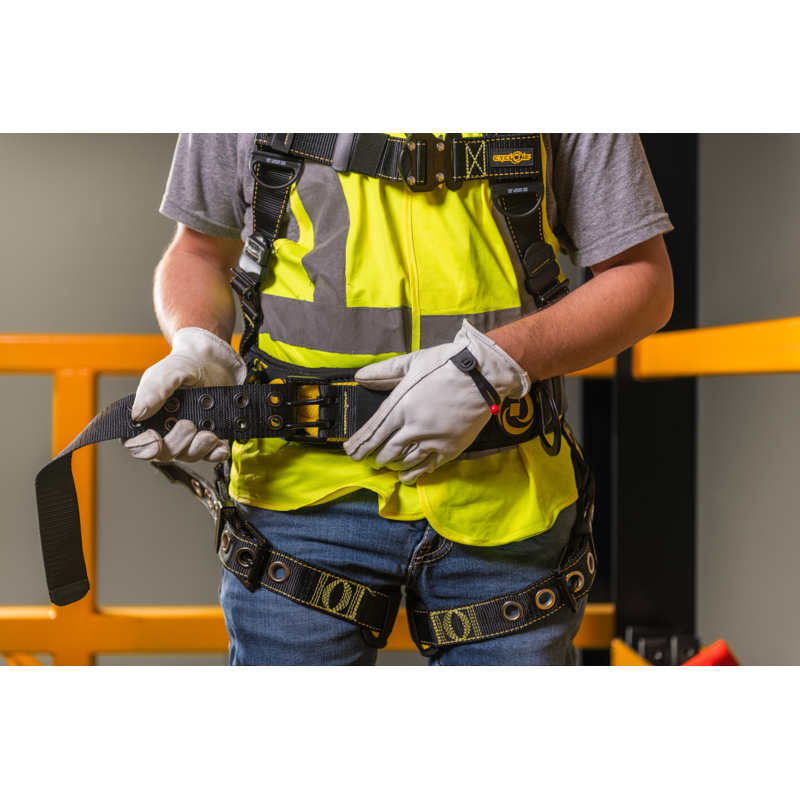
The Importance of Fall Restraint Belts in Workplace Safety
When it comes to working at heights, safety should always be the top priority. Fall restraint belts play a crucial role in ensuring the safety of workers who are exposed to the risk of falling. These belts are designed to prevent falls from elevated surfaces, providing a vital layer of protection for those working in construction, maintenance, and other industries.
Fall restraint belts are typically worn around the waist and are connected to an anchor point or a secure structure. They are designed to limit the movement of workers and prevent them from reaching areas where they could potentially fall. By restricting their range of motion, fall restraint belts help reduce the risk of accidents and injuries that can occur when working at heights.
One of the key advantages of fall restraint belts is that they allow workers to perform their tasks safely while still providing them with freedom of movement. Unlike fall arrest systems, which are designed to stop a fall once it has occurred, fall restraint belts proactively prevent falls from happening in the first place.
Employers have a legal responsibility to ensure the safety of their employees, especially when they are working at heights. Providing workers with proper training on how to use fall restraint belts effectively is essential for maintaining a safe work environment. Regular inspection and maintenance of fall restraint equipment is also crucial to ensure its effectiveness and reliability.
By investing in high-quality fall restraint belts and implementing strict safety protocols, employers can significantly reduce the risk of falls and protect the well-being of their workers. Prioritising workplace safety not only prevents accidents but also boosts productivity and morale among employees.
In conclusion, fall restraint belts play a critical role in safeguarding workers who perform tasks at elevated heights. By incorporating these essential safety devices into their work practices, employers demonstrate their commitment to creating a safe and secure workplace for all employees.
Essential Safety Tips for Using a Fall Restraint Belt
- Always inspect the fall restraint belt before use for any signs of wear or damage.
- Ensure the fall restraint belt is properly adjusted and fitted to your body.
- Follow the manufacturer’s instructions for proper usage of the fall restraint belt.
- Use a compatible lanyard or connector with the fall restraint belt.
- Regularly check and maintain all components of the fall restraint system.
- Do not attach more than one person to a single fall restraint belt.
- Avoid sharp edges or abrasive surfaces that could damage the fall restraint belt.
- Only use the fall restraint belt for its intended purpose and within its weight capacity limits.
- Receive proper training on how to safely use a fall restraint belt.
Always inspect the fall restraint belt before use for any signs of wear or damage.
It is crucial to always inspect the fall restraint belt before use for any signs of wear or damage. Regularly checking the condition of the belt ensures that it is in good working order and can effectively protect the wearer in case of a fall. Any signs of wear, tear, or damage should be addressed immediately to prevent potential accidents and ensure the safety of the user. By prioritising thorough inspections before each use, workers can have peace of mind knowing that their fall restraint belt is reliable and ready to provide them with the necessary protection while working at heights.
Ensure the fall restraint belt is properly adjusted and fitted to your body.
To ensure maximum safety when using a fall restraint belt, it is essential to properly adjust and fit the belt to your body. A well-fitted fall restraint belt will provide optimal protection by preventing falls and limiting movement effectively. Take the time to adjust the belt according to your body size and shape, ensuring a snug but comfortable fit. Regularly check the fit of the belt to make sure it remains secure during work at heights. Proper adjustment and fitting of the fall restraint belt are key steps in maintaining a safe working environment and minimising the risk of accidents.
Follow the manufacturer’s instructions for proper usage of the fall restraint belt.
It is crucial to adhere to the manufacturer’s instructions for the correct usage of a fall restraint belt. Following the guidelines provided ensures that the belt is used in a manner that maximises safety and effectiveness. Manufacturers provide specific instructions on how to properly wear, adjust, and connect the fall restraint belt to ensure it functions as intended in preventing falls from elevated surfaces. By following these instructions diligently, workers can confidently rely on their fall restraint belts to provide them with the necessary protection while working at heights.
Use a compatible lanyard or connector with the fall restraint belt.
It is essential to always use a compatible lanyard or connector with your fall restraint belt. The lanyard or connector should be specifically designed to work seamlessly with the belt to ensure maximum safety and effectiveness. Using mismatched or incompatible components can compromise the integrity of the fall restraint system and increase the risk of accidents. By following this tip and using the correct accessories, you can enhance the reliability and performance of your fall restraint belt, providing you with the necessary protection when working at heights.
Regularly check and maintain all components of the fall restraint system.
It is crucial to regularly check and maintain all components of the fall restraint system to ensure its effectiveness and reliability in preventing falls. By conducting routine inspections and maintenance tasks, such as checking for wear and tear, ensuring proper functioning of connectors, and verifying the integrity of anchor points, you can identify any potential issues early on and address them promptly. This proactive approach not only helps to keep the fall restraint system in optimal working condition but also enhances overall workplace safety by reducing the risk of accidents related to equipment failure.
Do not attach more than one person to a single fall restraint belt.
It is crucial to adhere to the safety guideline of not attaching more than one person to a single fall restraint belt. Each individual should have their own dedicated fall restraint belt to ensure maximum safety and effectiveness. Attaching multiple people to a single belt can significantly compromise the ability of the equipment to protect against falls and may lead to serious accidents or injuries. By following this important tip, workers can mitigate risks and work confidently knowing that they have the proper protection in place.
Avoid sharp edges or abrasive surfaces that could damage the fall restraint belt.
It is crucial to avoid sharp edges or abrasive surfaces that could potentially damage the fall restraint belt. Damage to the belt compromises its integrity and effectiveness, putting the wearer at risk in the event of a fall. Regularly inspecting the belt for signs of wear and tear, as well as being mindful of the working environment to prevent unnecessary strain on the equipment, is essential for ensuring the safety of workers at heights. By taking care to avoid sharp edges and abrasive surfaces, workers can prolong the lifespan of their fall restraint belts and maintain a high standard of safety while on the job.
Only use the fall restraint belt for its intended purpose and within its weight capacity limits.
It is crucial to adhere to the recommended guidelines when using a fall restraint belt. Ensure that the belt is only used for its designated purpose and stays within the specified weight capacity limits. By following these instructions, you can guarantee the effectiveness and safety of the fall restraint belt in preventing falls and protecting workers at heights. Failure to comply with these regulations may compromise the integrity of the equipment and increase the risk of accidents or injuries. Always prioritise safety by using fall restraint belts responsibly and in accordance with their intended use and weight restrictions.
Receive proper training on how to safely use a fall restraint belt.
It is essential to receive proper training on how to safely use a fall restraint belt. Understanding the correct procedures for wearing and connecting the belt to an anchor point is crucial in ensuring its effectiveness in preventing falls. Proper training not only enhances safety but also empowers workers to confidently perform their tasks at heights while minimising risks. By investing time in training, individuals can contribute to creating a safer work environment and reduce the likelihood of accidents or injuries occurring.