
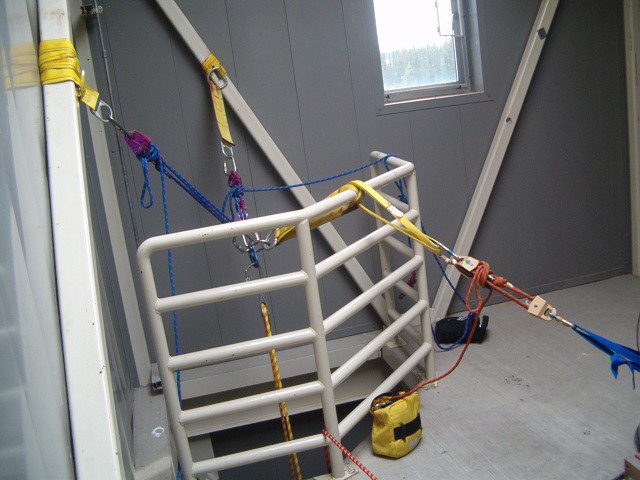
The Importance of Fall Restraint Anchors in Workplace Safety
Fall restraint anchors play a crucial role in ensuring the safety of workers who perform tasks at height. These anchors are designed to prevent falls by providing a secure attachment point for workers to connect their fall protection equipment, such as harnesses and lanyards.
When working at heights, the risk of falls is a significant concern. Falls from height can result in serious injuries or even fatalities. That’s why fall restraint anchors are essential components of any comprehensive fall protection system.
By using fall restraint anchors, workers can limit their movement to safe areas and prevent them from reaching edges or other hazards where a fall could occur. This proactive approach helps to reduce the likelihood of accidents and ensures that workers can perform their tasks with confidence and peace of mind.
It is important for employers to provide proper training on the use of fall restraint anchors and ensure that all equipment is regularly inspected and maintained. Compliance with safety regulations and standards is essential to creating a safe working environment for all employees.
In conclusion, fall restraint anchors are vital tools in promoting workplace safety, particularly in industries where working at heights is common. By investing in quality fall protection equipment and implementing proper safety measures, employers can protect their workers from unnecessary risks and create a culture of safety within their organisations.
Understanding Fall Restraint Anchors: Key Questions and Answers
- What is the capacity of a fall restraint anchor?
- How to anchor fall protection?
- What is an anchorage point for a fall restraint?
- What is an example of fall restraint?
- What are the anchor point requirements for fall protection?
- What is the anchor point for a fall restraint?
What is the capacity of a fall restraint anchor?
The capacity of a fall restraint anchor refers to the maximum load it can safely support without compromising its effectiveness in preventing falls. The capacity of a fall restraint anchor is determined by various factors, including its design, materials used, and compliance with safety standards. It is crucial to ensure that the fall restraint anchor’s capacity matches or exceeds the weight of the individual using it, along with any additional equipment being connected to it. By adhering to the specified capacity limits and guidelines provided by manufacturers, employers can ensure the safety and protection of workers at heights.
How to anchor fall protection?
When it comes to anchoring fall protection systems, it is essential to follow specific guidelines to ensure the safety of workers at height. Anchoring fall protection typically involves identifying suitable anchor points that are capable of supporting the intended load. These anchor points should be securely attached to a structure or surface that can withstand the forces generated in the event of a fall. It is crucial to use approved anchorages and follow manufacturer instructions for installation and usage. Regular inspection and maintenance of anchor points are also necessary to ensure their reliability and effectiveness in preventing falls. By understanding how to properly anchor fall protection systems, employers can create a safer working environment for their employees and minimise the risks associated with working at heights.
What is an anchorage point for a fall restraint?
An anchorage point for a fall restraint is a secure and designated location where workers can safely attach their fall protection equipment, such as harnesses and lanyards. This point serves as the anchor for the worker, preventing them from reaching hazardous edges or areas where a fall could occur. An effective anchorage point must be capable of supporting the intended load and should be positioned to allow workers to perform their tasks while maintaining a safe distance from potential fall hazards. Proper selection, inspection, and maintenance of anchorage points are essential to ensuring the safety and well-being of workers at height.
What is an example of fall restraint?
An example of fall restraint is the use of a fall restraint anchor system in construction work. Fall restraint anchors are fixed points that allow workers to secure themselves to prevent falls while working at heights. By attaching their harnesses and lanyards to the fall restraint anchor, workers can limit their movement to safe areas and avoid reaching edges or other hazards where a fall could occur. This proactive approach helps to enhance worker safety and minimise the risk of accidents in high-risk environments.
What are the anchor point requirements for fall protection?
When it comes to fall protection, understanding the anchor point requirements is crucial for ensuring the safety of workers at height. The anchor point serves as the connection between the worker’s fall protection system and a secure structure. According to safety regulations and standards, anchor points must be capable of supporting the intended load and should be positioned overhead to minimize free fall distance. Additionally, anchor points should be certified by a competent person and regularly inspected to ensure their integrity. By meeting these requirements, employers can provide a safe working environment for their employees and reduce the risk of falls in the workplace.
What is the anchor point for a fall restraint?
The anchor point for a fall restraint system is a crucial component that provides a secure attachment location for connecting fall protection equipment, such as harnesses and lanyards. It serves as the fixed point from which workers can limit their movement to prevent them from reaching hazardous areas where a fall could occur. Ensuring that the anchor point is strong, stable, and properly positioned is essential to the effectiveness of the fall restraint system in keeping workers safe while working at heights. Regular inspection and maintenance of anchor points are necessary to guarantee their reliability and compliance with safety regulations.