
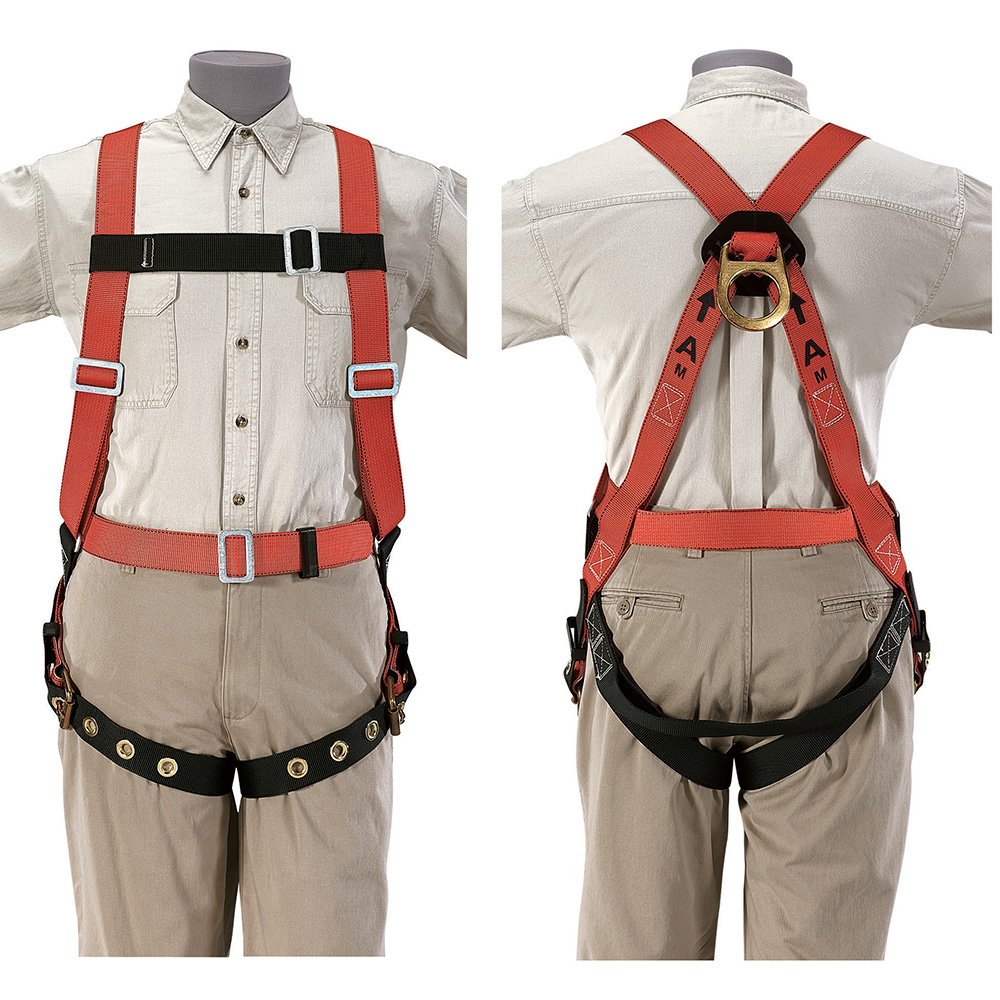
Fall Arrest Safety Harness: Ensuring Worker Safety at Heights
Working at heights poses significant risks to individuals in various industries, from construction to maintenance. To mitigate the dangers associated with falls, the use of fall arrest safety harnesses has become a crucial safety measure.
A fall arrest safety harness is a piece of personal protective equipment designed to prevent or reduce the impact of a fall from a height. It consists of straps, buckles, and attachment points that secure the wearer to an anchor point and distribute the force of a fall across the body.
When a worker wearing a fall arrest safety harness falls, the harness activates to arrest the fall by absorbing energy and reducing the impact on the body. This critical piece of equipment can mean the difference between life and death in high-risk environments.
It is essential for employers to provide proper training on how to wear and use fall arrest safety harnesses correctly. Workers must understand how to inspect their harness before each use, ensure proper fit, and connect to secure anchor points that can support their weight in case of a fall.
Regular inspection and maintenance of fall arrest safety harnesses are also vital to ensure their effectiveness. Damaged or worn-out components should be replaced immediately to prevent equipment failure during an emergency.
In conclusion, fall arrest safety harnesses play a critical role in protecting workers who perform tasks at heights. By investing in high-quality harnesses, providing thorough training, and enforcing strict safety protocols, employers can help safeguard their employees’ well-being and prevent tragic accidents in the workplace.
Understanding Fall Arrest Safety Harnesses: Key Components, Types, and Regulations
- What are the 5 components of a fall arrest system?
- What are the 3 types of harnesses?
- What are the rules for fall protection harness?
- What kind of harness is used for fall arrest?
- What is a type 2 fall arrest device?
- What class of harness is used for fall arrest?
- What is a fall arrest harness?
- What are 3 types of fall protection devices?
What are the 5 components of a fall arrest system?
A fall arrest system comprises five key components that work together to ensure worker safety at heights. These components include a full-body harness worn by the worker, a lanyard or lifeline that connects the harness to an anchor point, a connector such as a snap hook or carabiner that links the lanyard to the anchor point, an anchor point capable of supporting the worker’s weight in case of a fall, and finally, a deceleration device that helps absorb the energy generated during a fall. Each component is essential in providing comprehensive protection and preventing serious injuries in the event of a fall.
What are the 3 types of harnesses?
When it comes to fall arrest safety harnesses, there are three main types commonly used in various industries: full-body harnesses, chest harnesses, and positioning harnesses. Full-body harnesses are the most common type and provide comprehensive protection by distributing the impact of a fall across the wearer’s torso and thighs. Chest harnesses are designed to be used in conjunction with full-body harnesses to prevent the wearer from slipping out of the shoulder straps during a fall. Positioning harnesses, on the other hand, are specialized harnesses that allow workers to position themselves comfortably while working at heights without compromising safety. Each type of harness serves a specific purpose and plays a crucial role in ensuring worker safety at elevated work sites.
What are the rules for fall protection harness?
When it comes to fall protection harnesses, understanding and following the rules is crucial for ensuring worker safety at heights. The rules for fall protection harnesses typically include guidelines on proper fitting and adjustment of the harness, inspection before each use to check for any signs of damage or wear, secure attachment to a suitable anchor point that can support the worker’s weight in the event of a fall, regular maintenance and replacement of worn-out components, and comprehensive training on how to use the harness correctly. Adhering to these rules is essential to minimise risks and prevent accidents in high-risk work environments where fall hazards exist.
What kind of harness is used for fall arrest?
When it comes to fall arrest safety, the type of harness used is crucial in ensuring worker protection at heights. A full-body harness is typically recommended for fall arrest situations. This type of harness distributes the force of a fall across the chest, shoulders, waist, and legs, reducing the risk of injury upon impact. Full-body harnesses are designed to securely hold the wearer in place and prevent them from falling further in the event of a slip or fall. It is essential for workers to be properly trained on how to wear and use these harnesses correctly to maximise their effectiveness in preventing accidents and injuries while working at elevated levels.
What is a type 2 fall arrest device?
A Type 2 fall arrest device is a specific category of fall protection equipment that is designed to arrest falls in a controlled manner. These devices typically include shock-absorbing components that help reduce the impact force on the wearer during a fall. Type 2 fall arrest devices are essential for ensuring the safety of workers at heights by preventing free falls and minimising the risk of serious injuries. Employers should provide proper training on the use of Type 2 fall arrest devices to ensure that workers understand how to effectively utilise this equipment in hazardous work environments.
What class of harness is used for fall arrest?
When it comes to fall arrest safety harnesses, the class of harness used for fall arrest is crucial in ensuring proper protection for workers at heights. Fall arrest harnesses are typically classified based on their design and intended use, with different classes offering varying levels of safety features and performance. It is essential to select a harness that complies with relevant safety standards and regulations to provide adequate fall protection and minimize the risk of serious injuries in case of a fall. Employers should ensure that workers are equipped with the appropriate class of harness for fall arrest based on the specific requirements of their work environment and tasks performed at elevated locations.
What is a fall arrest harness?
A fall arrest harness, also known as a safety harness, is a vital piece of personal protective equipment designed to protect individuals working at heights from the dangers of falls. It consists of straps, buckles, and attachment points that secure the wearer to an anchor point and distribute the force of a fall across the body. In the event of a fall, the fall arrest harness activates to prevent or reduce the impact on the body by absorbing energy. Proper training on how to wear and use a fall arrest harness is essential to ensure its effectiveness in preventing serious injuries or fatalities in high-risk environments. Regular inspection and maintenance of the harness are also crucial to guarantee its reliability when needed most.
What are 3 types of fall protection devices?
When it comes to fall protection devices, there are three main types commonly used in various industries to ensure worker safety at heights. The first type is the fall arrest system, which includes equipment such as safety harnesses, lanyards, and anchor points designed to stop a fall in progress and minimize the impact on the worker. The second type is the guardrail system, which consists of barriers or rails installed along edges or openings to prevent workers from falling off elevated surfaces. Lastly, the safety net system involves installing nets below work areas at height to catch a falling worker and reduce the risk of injury. Each of these fall protection devices plays a crucial role in creating a safe working environment and preventing accidents in high-risk settings.