
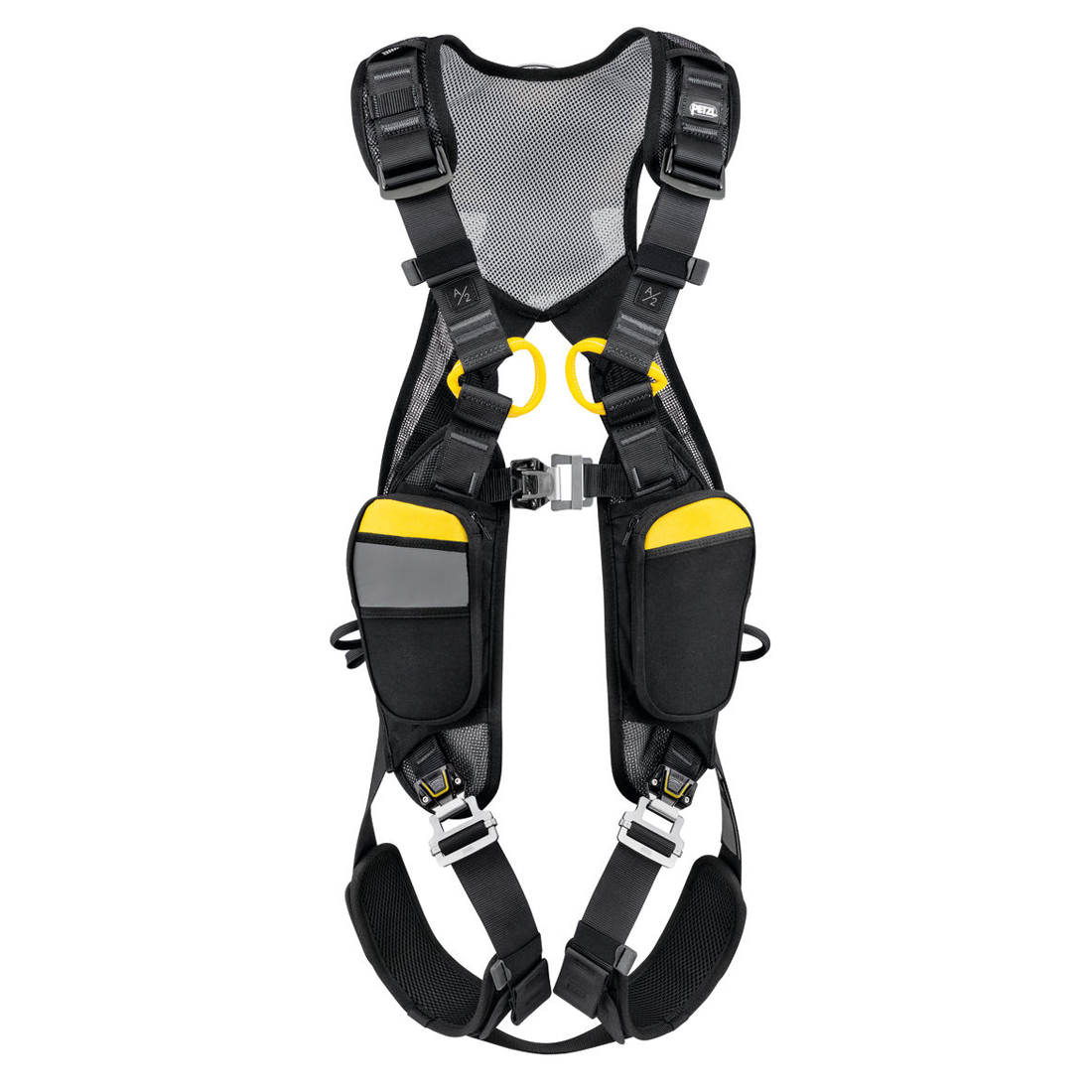
The Importance of EN 361 Full Body Harness in Workplace Safety
When it comes to ensuring safety in high-risk work environments such as construction sites, industrial settings, and rescue operations, the use of proper personal protective equipment (PPE) is crucial. One essential piece of PPE that plays a significant role in protecting workers is the EN 361 full body harness.
The EN 361 standard specifies the requirements for full body harnesses used as a component of personal fall protection systems. These harnesses are designed to distribute fall arrest forces over the thighs, pelvis, chest, and shoulders to reduce the risk of injury in the event of a fall.
Key features of an EN 361 full body harness include adjustable straps for a secure fit, dorsal D-ring attachment point for connecting to a fall arrest system, and additional attachment points for tools and accessories. The harness is typically made from durable materials that can withstand high loads and harsh conditions.
By wearing an EN 361 full body harness correctly and connecting it to a reliable fall protection system, workers can significantly reduce the risk of serious injuries or fatalities resulting from falls from height. It is essential for employers to provide proper training on how to inspect, fit, and use these harnesses correctly.
Compliance with the EN 361 standard ensures that full body harnesses meet stringent safety requirements and have undergone rigorous testing to ensure their effectiveness in protecting workers at height. Employers should always ensure that the PPE provided to their employees meets or exceeds these standards.
In conclusion, the use of an EN 361 full body harness is vital for maintaining a safe working environment in industries where working at height is common. Investing in high-quality PPE like this harness demonstrates a commitment to prioritising worker safety and preventing accidents that could have severe consequences.
Top 9 Benefits of EN 361 Full Body Harnesses for Height Safety
- 1. Provides full-body protection in the event of a fall
- 2. Distributes fall arrest forces evenly to reduce impact on the body
- 3. Adjustable straps ensure a secure and comfortable fit for different body sizes
- 4. Dorsal D-ring attachment point allows easy connection to fall arrest systems
- 5. Multiple attachment points for tools and accessories enhance versatility
- 6. Made from durable materials to withstand high loads and harsh conditions
- 7. Complies with EN 361 standard, ensuring quality and safety standards are met
- 8. Helps prevent serious injuries or fatalities resulting from falls at height
- 9. Essential PPE for industries where working at height is common
Five Common Drawbacks of EN 361 Full Body Harnesses in the Workplace
- May be bulky and restrictive, limiting movement in certain work environments.
- Requires proper training for correct fitting and adjustment to ensure optimal safety.
- Regular inspection and maintenance are necessary to ensure the harness remains in good condition.
- In hot conditions, wearing a full body harness can cause discomfort and sweating.
- Some workers may find wearing a full body harness uncomfortable or cumbersome.
1. Provides full-body protection in the event of a fall
In the event of a fall, one significant advantage of the EN 361 full body harness is its capability to provide comprehensive protection to the wearer’s entire body. By distributing fall arrest forces across the thighs, pelvis, chest, and shoulders, this harness minimises the impact of a fall on any specific body part, reducing the risk of serious injuries. This feature ensures that individuals working at height are safeguarded against potential hazards and can carry out their tasks with added confidence in their safety equipment.
2. Distributes fall arrest forces evenly to reduce impact on the body
The EN 361 full body harness offers the significant advantage of distributing fall arrest forces evenly across the thighs, pelvis, chest, and shoulders. By spreading out the impact of a fall arrest throughout the body, this harness effectively minimises the concentrated force on any single area. This feature plays a crucial role in reducing the risk of serious injuries during a fall, as it helps to prevent excessive strain or trauma to specific body parts. Workers can have greater confidence in their safety knowing that the EN 361 harness is designed to provide balanced support and protection in the event of a fall.
3. Adjustable straps ensure a secure and comfortable fit for different body sizes
The adjustable straps featured in the EN 361 full body harness offer a significant advantage by ensuring a secure and comfortable fit for individuals of varying body sizes. This customisable feature not only enhances safety by preventing slippage or improper positioning of the harness but also promotes worker comfort during prolonged use. Workers can easily adjust the straps to achieve an optimal fit that allows them to move freely and perform their tasks with confidence, ultimately contributing to increased productivity and overall job satisfaction.
4. Dorsal D-ring attachment point allows easy connection to fall arrest systems
The presence of a dorsal D-ring attachment point on an EN 361 full body harness offers a significant advantage by enabling easy and secure connection to fall arrest systems. This feature ensures that workers can quickly and efficiently attach themselves to the necessary safety equipment, enhancing their overall safety when working at height. By providing a reliable connection point at the back of the harness, the dorsal D-ring simplifies the process of setting up fall protection systems, allowing workers to focus on their tasks with confidence and peace of mind knowing that they are securely protected in case of a fall.
5. Multiple attachment points for tools and accessories enhance versatility
The EN 361 full body harness offers the advantage of multiple attachment points for tools and accessories, enhancing its versatility in various work settings. These additional attachment points allow workers to conveniently carry essential equipment or tools hands-free while working at height. By having easy access to their tools and accessories, workers can improve efficiency and productivity, as well as maintain a safer working environment by reducing the risk of dropped objects. The flexibility provided by these attachment points makes the EN 361 full body harness a practical and functional choice for professionals across different industries.
6. Made from durable materials to withstand high loads and harsh conditions
An advantageous feature of the EN 361 full body harness is its construction from durable materials that are specifically designed to withstand high loads and harsh conditions. This durability ensures that the harness remains reliable and effective even in demanding work environments, providing workers with the confidence and protection they need when working at height. By being able to withstand tough conditions, the EN 361 full body harness enhances safety by maintaining its integrity and functionality, ultimately contributing to a safer work environment for those who rely on it.
7. Complies with EN 361 standard, ensuring quality and safety standards are met
Ensuring that a full body harness complies with the EN 361 standard is a crucial benefit that guarantees quality and safety standards are met. By adhering to this standard, users can have confidence in the harness’s design, construction, and performance. The rigorous testing and requirements set by the EN 361 standard help to ensure that the harness is reliable, durable, and capable of providing effective fall protection. Employing an EN 361 compliant full body harness not only demonstrates a commitment to safety but also provides peace of mind to workers operating at height, knowing that they are using equipment that meets stringent quality and safety criteria.
8. Helps prevent serious injuries or fatalities resulting from falls at height
The EN 361 full body harness plays a crucial role in helping prevent serious injuries or fatalities that can occur as a result of falls from height. By distributing fall arrest forces effectively across the body, this harness minimises the impact on vital areas such as the thighs, pelvis, chest, and shoulders in the event of a fall. This proactive measure significantly reduces the risk of severe injuries or even fatal accidents, making it an indispensable safety tool in industries where working at height is a common practice.
9. Essential PPE for industries where working at height is common
In industries where working at height is a common occurrence, the EN 361 full body harness stands out as essential personal protective equipment (PPE) that plays a critical role in ensuring worker safety. By providing a secure and reliable connection to fall protection systems, this harness helps to mitigate the risks associated with working at elevated levels. Its design and features are specifically tailored to distribute fall arrest forces effectively across the body, reducing the likelihood of serious injuries or fatalities in the event of a fall. Employers in such industries must recognise the importance of equipping their workers with EN 361 full body harnesses to create a safer work environment and uphold their commitment to prioritising employee well-being.
May be bulky and restrictive, limiting movement in certain work environments.
In certain work environments, one drawback of using an EN 361 full body harness is that it may be bulky and restrictive, potentially limiting the wearer’s movement. The design of the harness, with its multiple straps and attachment points, can sometimes impede flexibility and agility, making certain tasks more challenging to perform. This restriction in movement could be a concern in jobs that require a high degree of mobility or dexterity. Employers and workers need to consider this con when selecting PPE to ensure that safety measures do not compromise productivity or efficiency in specific work settings.
Requires proper training for correct fitting and adjustment to ensure optimal safety.
An inherent challenge associated with the use of EN 361 full body harnesses is the necessity for proper training to ensure correct fitting and adjustment. Without adequate training, there is a risk that the harness may not be optimally secured to the wearer’s body, potentially compromising its effectiveness in the event of a fall. Ensuring that workers receive thorough instruction on how to properly fit and adjust the harness is crucial for maximising safety outcomes and minimising the chances of accidents or injuries while working at height.
Regular inspection and maintenance are necessary to ensure the harness remains in good condition.
Regular inspection and maintenance are indeed a significant con of using an EN 361 full body harness. While these harnesses are designed to provide essential fall protection, they require diligent and consistent attention to ensure they remain in optimal condition. Inspections must be carried out regularly to check for signs of wear and tear, damage, or any other issues that could compromise the harness’s effectiveness. Additionally, proper maintenance, such as cleaning and storage according to manufacturer guidelines, is essential to prolong the lifespan of the harness and ensure its reliability when needed in critical situations. Failure to conduct thorough inspections and maintenance can lead to potential safety hazards and increase the risk of accidents in the workplace.
In hot conditions, wearing a full body harness can cause discomfort and sweating.
In hot conditions, wearing an EN 361 full body harness can present a significant challenge as it may lead to discomfort and increased sweating for the wearer. The added layers of material and straps can restrict airflow and trap heat against the body, making it uncomfortable to work for extended periods in high temperatures. This discomfort can not only affect the wearer’s focus and productivity but also potentially contribute to heat-related issues if proper precautions are not taken. Employers must consider strategies to mitigate this con, such as providing adequate ventilation, regular breaks, and selecting harnesses with breathable materials to ensure worker comfort and safety in hot environments.
Some workers may find wearing a full body harness uncomfortable or cumbersome.
Some workers may find wearing a full body harness, such as the EN 361 model, uncomfortable or cumbersome due to its design and fit. The straps and buckles of the harness can sometimes cause chafing or restrict movement, leading to discomfort during prolonged wear. This issue may result in workers being less inclined to wear the harness consistently, potentially compromising their safety in high-risk environments. Employers should address these concerns by providing training on proper fitting techniques and offering ergonomic alternatives to ensure that workers can perform their tasks comfortably while maintaining necessary safety precautions.