
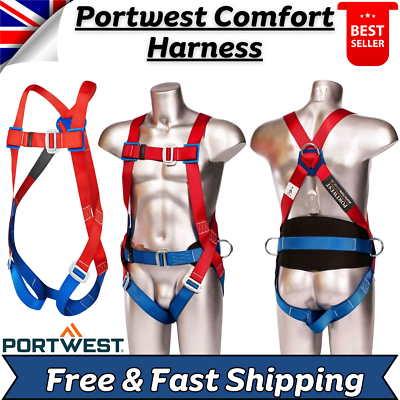
The Importance of Safety Fall Harness in Workplace
When it comes to working at heights, safety should always be the top priority. One essential piece of equipment that plays a crucial role in preventing falls and protecting workers is the safety fall harness.
A safety fall harness is a form of personal protective equipment (PPE) designed to secure a worker in place and prevent them from falling when working at elevated heights. It consists of straps, buckles, and attachment points that are worn around the torso and thighs.
By wearing a safety fall harness properly and connecting it to a secure anchor point, workers can significantly reduce the risk of serious injuries or fatalities resulting from falls. In industries such as construction, maintenance, roofing, and window cleaning where working at heights is common, safety fall harnesses are essential tools for ensuring worker safety.
Employers have a legal responsibility to provide appropriate fall protection equipment, including safety fall harnesses, and ensure that workers are trained on how to use them correctly. Regular inspection and maintenance of harnesses are also necessary to ensure their effectiveness in an emergency situation.
It is important for workers to understand the importance of wearing their safety fall harness at all times when working at heights, even if the task seems quick or simple. Accidents can happen in an instant, and having the proper protection in place can make all the difference between life and death.
In conclusion, safety fall harnesses are indispensable tools for ensuring worker safety when working at elevated heights. Employers must prioritise providing proper training, equipment, and supervision to protect their workers from potential falls. By taking proactive measures and following safety protocols, we can create safer work environments for everyone.
Essential FAQs on Safety Fall Harnesses: Importance, Usage, and Maintenance
- What is a safety fall harness?
- Why is a safety fall harness important in the workplace?
- How does a safety fall harness work?
- When should a safety fall harness be worn?
- What are the key components of a safety fall harness?
- How should a safety fall harness be inspected and maintained?
- What training is required for using a safety fall harness?
What is a safety fall harness?
A safety fall harness is a vital piece of personal protective equipment (PPE) designed to secure a worker at heights and prevent falls. It consists of straps, buckles, and attachment points that are worn around the torso and thighs. By connecting the harness to a secure anchor point, workers can significantly reduce the risk of serious injuries or fatalities resulting from falls. Safety fall harnesses are essential in industries such as construction, maintenance, roofing, and window cleaning where working at heights is common. Employers have a legal responsibility to provide and ensure the correct usage of safety fall harnesses to protect their workers from potential hazards.
Why is a safety fall harness important in the workplace?
In the workplace, a safety fall harness is crucial for protecting workers when working at heights. It serves as a vital piece of personal protective equipment (PPE) designed to prevent falls and mitigate the risk of serious injuries or fatalities. By wearing a safety fall harness correctly and connecting it to a secure anchor point, workers can work with confidence knowing that they have an added layer of protection in case of an accidental slip or fall. Employers have a legal obligation to provide proper fall protection equipment, including safety fall harnesses, and ensure that workers are trained on their usage. Prioritising the use of safety fall harnesses in the workplace not only safeguards workers’ well-being but also promotes a culture of safety and responsibility within the organisation.
How does a safety fall harness work?
A safety fall harness works by securing a worker in place and preventing them from falling when working at elevated heights. It consists of straps, buckles, and attachment points that are worn around the torso and thighs. The harness is connected to a secure anchor point using a lanyard or lifeline, allowing the worker to move freely while maintaining protection against falls. In the event of a fall, the safety fall harness distributes the force of impact across the body, reducing the risk of serious injuries. Proper training on how to use and inspect the harness is essential to ensure its effectiveness in preventing accidents and safeguarding workers’ safety at all times.
When should a safety fall harness be worn?
A safety fall harness should be worn whenever there is a risk of falling from an elevated height. Whether working on a construction site, performing maintenance tasks, or engaging in any activity where there is a possibility of falling, wearing a safety fall harness is crucial for ensuring personal safety. It is important to follow workplace safety regulations and guidelines that mandate the use of fall protection equipment, including safety fall harnesses, whenever working at heights above certain specified levels. By wearing a safety fall harness consistently and correctly, workers can greatly reduce the risk of serious injuries or fatalities in the event of a fall. Remember, prevention is key when it comes to workplace safety, and wearing a safety fall harness is a fundamental precautionary measure in protecting oneself from potential hazards.
What are the key components of a safety fall harness?
When it comes to understanding the key components of a safety fall harness, it is essential to recognise the crucial elements that work together to protect individuals working at heights. A typical safety fall harness comprises straps, buckles, and attachment points that secure around the torso and thighs of the wearer. These components are designed to distribute weight evenly in the event of a fall, preventing serious injuries by keeping the worker suspended safely. Additionally, most harnesses include D-rings or loops for connecting lanyards or lifelines to anchor points, ensuring a secure connection that is vital for effective fall protection. By familiarising oneself with these key components and ensuring proper fit and usage, individuals can maximise their safety while working at elevated heights.
How should a safety fall harness be inspected and maintained?
Inspecting and maintaining a safety fall harness is crucial to ensure its reliability and effectiveness in preventing falls and protecting workers at heights. Regular inspections should be conducted by trained personnel to check for any signs of wear, damage, or defects in the harness straps, buckles, D-rings, and other components. Inspections should include checking the stitching for fraying, examining metal components for rust or corrosion, and verifying that all buckles and adjustment points are functioning properly. Any harness that shows signs of wear or damage should be immediately taken out of service and replaced. Additionally, proper storage in a clean, dry environment away from sunlight and chemicals can help prolong the lifespan of the safety fall harness. Regular maintenance such as cleaning with mild soap and water can also help ensure the harness remains in good condition for use when needed.
What training is required for using a safety fall harness?
When it comes to using a safety fall harness, appropriate training is essential to ensure its proper and effective use. Workers must receive comprehensive training on how to correctly wear, adjust, and connect the harness to secure anchor points. Training should cover topics such as inspection of the harness for wear and tear, understanding different types of connectors and lanyards, and proper procedures for working at heights while wearing the harness. Additionally, workers should be educated on emergency response protocols in case of a fall while wearing the harness. By providing thorough training on safety fall harness usage, employers can empower their workers to work safely at heights and mitigate the risks associated with potential falls.