
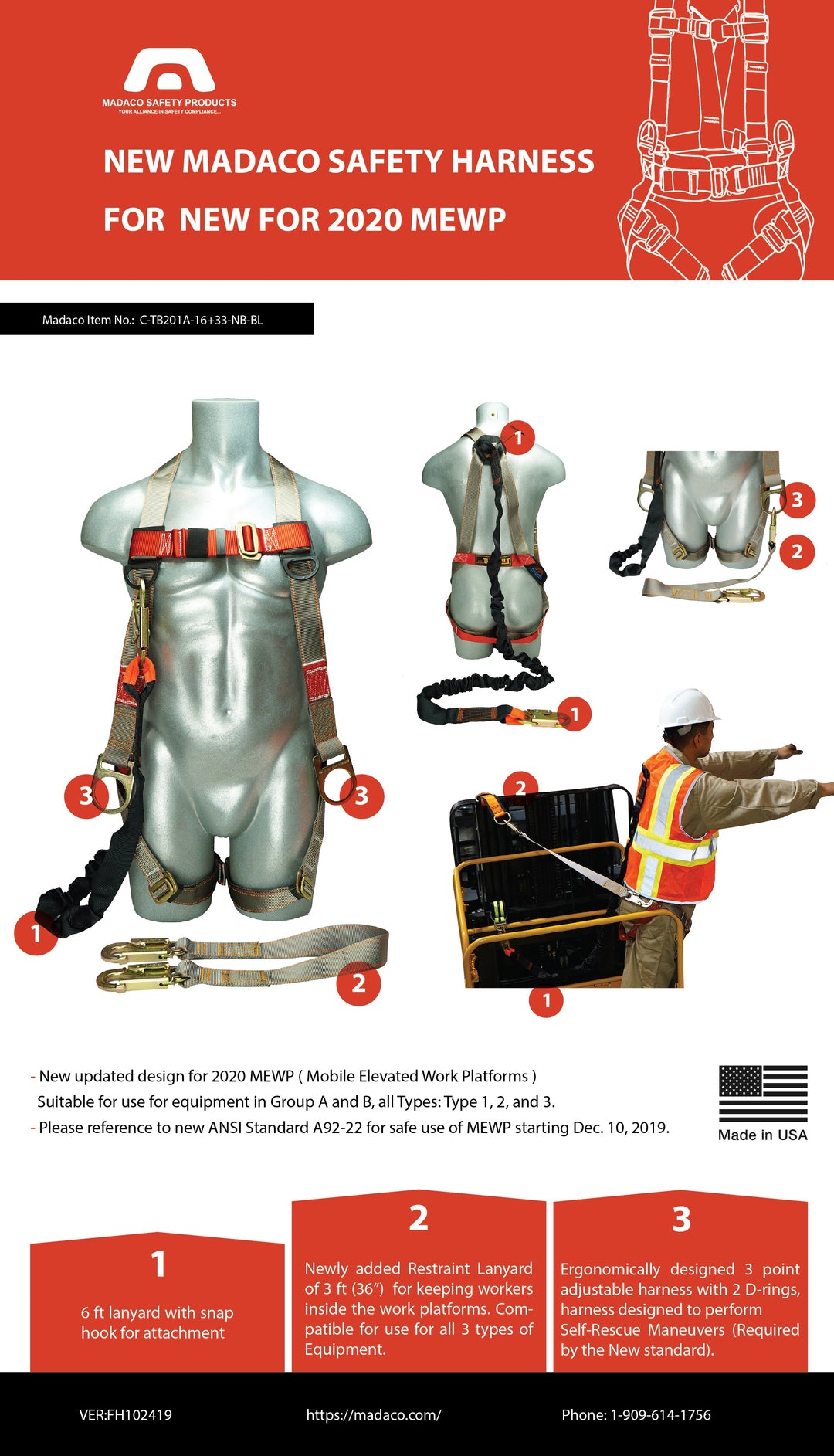
The Importance of Safety Equipment Harness
Safety equipment harnesses are vital tools in various industries and activities where working at heights or in hazardous environments is common. These harnesses play a crucial role in ensuring the safety and protection of workers by preventing falls and reducing the risk of serious injuries.
One of the key features of a safety harness is its ability to distribute the force of a fall across the body, reducing the impact on any single area. This helps to prevent severe injuries that can occur when falling from heights. Additionally, safety harnesses are designed to be comfortable to wear for extended periods, allowing workers to focus on their tasks without distractions.
When selecting a safety equipment harness, it is essential to consider factors such as proper fit, durability, and compliance with industry standards. A well-fitted harness ensures that it functions effectively in the event of a fall, while durability guarantees long-term use without compromising safety.
Furthermore, regular inspection and maintenance of safety harnesses are crucial to ensure their reliability and effectiveness. Inspecting for wear and tear, checking buckles and straps, and replacing any damaged components are essential steps in maintaining the integrity of the harness.
In conclusion, safety equipment harnesses are indispensable tools for ensuring worker safety in high-risk environments. By investing in quality harnesses, providing proper training on their use, and conducting regular maintenance checks, organisations can create safer work environments and reduce the likelihood of accidents and injuries.
Top 9 Benefits of Safety Harnesses: Ensuring Protection and Confidence at Heights
- Provides fall protection for workers at heights
- Reduces the risk of serious injuries in case of falls
- Distributes force evenly across the body during a fall
- Comfortable to wear for extended periods
- Ensures worker focus on tasks without distractions
- Complies with industry safety standards
- Adjustable straps for a customised and secure fit
- Promotes workplace safety culture and practices
- Enhances worker confidence and morale
Challenges and Considerations of Safety Equipment Harnesses in the Workplace
- May restrict freedom of movement in certain work environments.
- Improper fit can reduce effectiveness and comfort.
- Regular maintenance and inspection are required for optimal performance.
- Can be cumbersome to wear for extended periods.
- Some workers may find harnesses uncomfortable or restrictive.
- High-quality harnesses can be costly, especially for small businesses.
Provides fall protection for workers at heights
Safety equipment harnesses offer a crucial advantage by providing fall protection for workers who perform tasks at heights. By wearing a safety harness, workers are safeguarded against the risk of falling and suffering serious injuries. The harness distributes the force of a fall across the body, reducing the impact on any single area and helping to prevent potentially life-threatening accidents. This fall protection feature not only ensures the physical well-being of workers but also instils confidence and peace of mind, allowing them to focus on their duties without fear of falling or injury.
Reduces the risk of serious injuries in case of falls
Safety equipment harnesses offer a crucial advantage in reducing the risk of serious injuries, particularly in the event of falls. By distributing the force of a fall across the body, safety harnesses help mitigate the impact on any single area, thereby decreasing the likelihood of severe injuries that can occur when working at heights. This proactive measure not only enhances worker safety but also provides peace of mind for individuals engaged in tasks where falls are a potential hazard.
Distributes force evenly across the body during a fall
An essential advantage of safety equipment harnesses is their ability to distribute force evenly across the body in the event of a fall. By spreading the impact of a fall across various areas, these harnesses help reduce the risk of serious injuries by preventing excessive strain on any single part of the body. This feature not only enhances the effectiveness of fall protection but also provides added reassurance to workers in high-risk environments, ensuring their safety and well-being during challenging situations.
Comfortable to wear for extended periods
Safety equipment harnesses offer the significant advantage of being comfortable to wear for extended periods. This feature is crucial for workers who need to wear harnesses throughout their shifts, as it allows them to focus on their tasks without discomfort or distraction. By ensuring that workers can move freely and comfortably while wearing a safety harness, organisations can promote productivity and efficiency while maintaining high safety standards. The comfort provided by these harnesses contributes to overall worker satisfaction and well-being, ultimately enhancing the safety culture within the workplace.
Ensures worker focus on tasks without distractions
Safety equipment harnesses provide a significant advantage by allowing workers to concentrate on their tasks without distractions. By offering a secure and comfortable fit, these harnesses enable individuals to work confidently at heights or in hazardous environments, knowing that their safety is prioritised. This feature not only enhances productivity but also promotes a safer work environment where employees can perform their duties efficiently and effectively.
Complies with industry safety standards
Ensuring that safety equipment harnesses comply with industry safety standards is a crucial benefit that cannot be overlooked. By adhering to established safety regulations and guidelines, these harnesses are designed and tested to meet specific criteria for performance and reliability. This compliance provides reassurance to users that the harnesses have undergone rigorous testing processes and are proven to offer the highest level of protection in hazardous work environments. Employing safety equipment harnesses that meet industry safety standards not only enhances workplace safety but also instils confidence in workers, knowing that they are using equipment that has been approved for its effectiveness in preventing accidents and injuries.
Adjustable straps for a customised and secure fit
Safety equipment harnesses offer the valuable pro of adjustable straps, allowing for a customised and secure fit for each individual wearer. This feature ensures that the harness can be tailored to fit different body shapes and sizes, enhancing comfort and safety during use. By providing a snug and personalised fit, adjustable straps help prevent slippage or discomfort, enabling workers to focus on their tasks with confidence and peace of mind. This customisation not only enhances overall safety but also promotes greater efficiency and productivity in various work environments where safety harnesses are essential.
Promotes workplace safety culture and practices
Safety equipment harnesses play a crucial role in promoting a culture of workplace safety and best practices. By providing workers with the necessary tools to protect themselves while working at heights or in hazardous conditions, safety harnesses instil a sense of responsibility and awareness among employees. When workers see that their organisation prioritises their safety by providing proper safety equipment, they are more likely to adopt safe work practices and adhere to safety protocols. This proactive approach not only reduces the risk of accidents and injuries but also fosters a culture where safety is valued and prioritised in all aspects of work.
Enhances worker confidence and morale
The use of safety equipment harnesses significantly enhances worker confidence and morale in the workplace. Knowing that they are properly protected and supported while working at heights or in hazardous conditions boosts employees’ sense of security and peace of mind. This increased confidence allows workers to focus on their tasks more effectively, leading to improved productivity and job satisfaction. When workers feel safe and valued by their employers through the provision of quality safety harnesses, it creates a positive work environment where morale is high, teamwork is strengthened, and overall job satisfaction is enhanced.
May restrict freedom of movement in certain work environments.
In certain work environments, one notable drawback of safety equipment harnesses is that they may restrict freedom of movement. This limitation can pose challenges for workers who require a wide range of motion to perform their tasks effectively. The bulk and design of some harnesses can hinder agility and flexibility, potentially impacting productivity and comfort levels for individuals working in dynamic or confined spaces. It is essential for employers to assess the specific needs of their workers and select harnesses that balance safety requirements with the necessary freedom of movement to ensure optimal performance and job satisfaction.
Improper fit can reduce effectiveness and comfort.
An important drawback of safety equipment harnesses is that an improper fit can significantly diminish both their effectiveness and comfort levels. When a harness does not fit correctly, it may fail to distribute the force of a fall evenly across the body, increasing the risk of injury in the event of an accident. Moreover, an ill-fitting harness can cause discomfort and distractions for the wearer, potentially leading to reduced focus and productivity while working at heights or in hazardous conditions. Ensuring proper sizing and adjustment of safety harnesses is essential to maximise their protective capabilities and ensure the well-being of workers in high-risk environments.
Regular maintenance and inspection are required for optimal performance.
One drawback of safety equipment harnesses is the necessity for regular maintenance and inspection to ensure optimal performance. While these measures are crucial for maintaining the integrity and effectiveness of the harness, they can also be time-consuming and add to the overall cost of safety management. The need for frequent checks and upkeep may pose challenges for organisations with limited resources or tight schedules, potentially leading to lapses in compliance and putting workers at risk. Failure to conduct thorough maintenance and inspections can compromise the safety of individuals working at heights or in hazardous environments, highlighting the importance of dedicating sufficient time and resources to this aspect of safety management.
Can be cumbersome to wear for extended periods.
One notable drawback of safety equipment harnesses is that they can be cumbersome to wear for extended periods. The design and construction of harnesses, while prioritising safety and protection, may not always prioritise comfort. This can lead to discomfort, restricted movement, and fatigue for workers who need to wear harnesses throughout their shifts. The bulkiness and weight of the harness can also pose challenges in certain work environments, potentially hindering productivity and causing inconvenience for individuals required to wear them for prolonged durations. Finding a balance between safety and comfort when using safety equipment harnesses is key to ensuring that workers can perform their tasks effectively without compromising their well-being.
Some workers may find harnesses uncomfortable or restrictive.
Some workers may find safety equipment harnesses uncomfortable or restrictive, which can pose a challenge in certain work environments. The discomfort or restriction caused by wearing a harness for extended periods may lead to decreased productivity and potential distractions. In situations where workers need to perform physically demanding tasks or work in confined spaces, the discomfort of a harness could impact their ability to focus on the job at hand. Addressing these concerns by providing properly fitted harnesses and offering training on how to adjust them for maximum comfort can help mitigate this con and ensure that workers can perform their duties effectively while staying safe.
High-quality harnesses can be costly, especially for small businesses.
High-quality safety equipment harnesses, while essential for ensuring worker safety, can pose a significant financial challenge for small businesses. The cost of investing in premium harnesses that meet industry standards and offer optimal protection can strain the budget of smaller enterprises with limited resources. This financial burden may force small businesses to compromise on the quality of harnesses used by their employees, potentially putting them at a higher risk of injury in hazardous work environments. Balancing the need for top-notch safety equipment with budget constraints remains a challenging con that small businesses must navigate to uphold workplace safety standards effectively.