
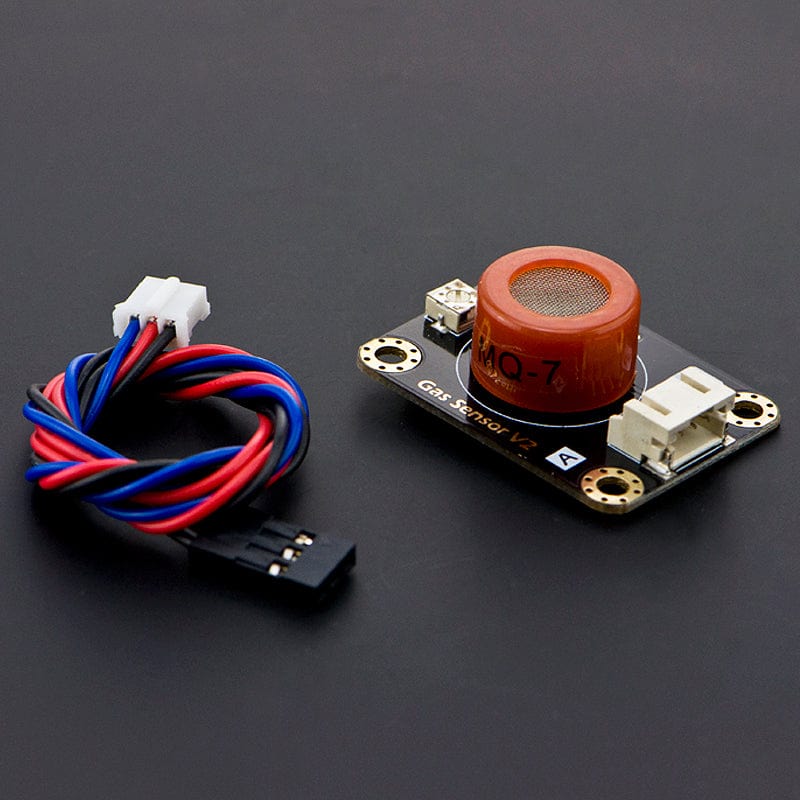
The Importance of a Carbon Monoxide Sensor in Every Home
Carbon monoxide (CO) is a silent killer that poses a serious threat to households. This colourless, odourless gas is produced by the incomplete combustion of fuels such as gas, oil, wood, and coal. Without a carbon monoxide sensor in place, it can go undetected and lead to tragic consequences.
A carbon monoxide sensor is a crucial device that can save lives by detecting the presence of CO in the air. It works by sounding an alarm when elevated levels of carbon monoxide are detected, alerting occupants to the danger and giving them time to evacuate safely.
Installing a carbon monoxide sensor in your home is essential for protecting your family from the dangers of CO poisoning. Symptoms of carbon monoxide exposure can be subtle and often mistaken for other illnesses, making it difficult to detect without a sensor.
Common sources of carbon monoxide in homes include faulty heating systems, blocked chimneys, gas appliances, and car exhaust fumes seeping into enclosed spaces. Regular maintenance of these systems and the installation of a carbon monoxide sensor are vital steps in preventing CO poisoning.
Don’t wait until it’s too late – make sure you have a working carbon monoxide sensor installed in your home today. It’s a small investment that can make a big difference in keeping your loved ones safe from this silent threat.
**Essential Information on Carbon Monoxide Sensors: Top 5 Frequently Asked Questions**
- What is a carbon monoxide sensor?
- How does a carbon monoxide sensor work?
- Where should I install a carbon monoxide sensor in my home?
- How often should I test and replace the batteries in my carbon monoxide sensor?
- What are the symptoms of carbon monoxide poisoning?
What is a carbon monoxide sensor?
A carbon monoxide sensor is a vital device designed to detect the presence of carbon monoxide gas in the air. This colourless, odourless gas is produced by the incomplete combustion of fuels and can pose a serious health risk if undetected. The sensor works by monitoring the levels of carbon monoxide in the surrounding environment and sounding an alarm when elevated concentrations are detected. By alerting occupants to the presence of this harmful gas, a carbon monoxide sensor plays a crucial role in preventing CO poisoning and ensuring the safety of individuals in homes and other enclosed spaces.
How does a carbon monoxide sensor work?
A carbon monoxide sensor works by continuously monitoring the air for the presence of carbon monoxide gas. Inside the sensor, there is a chemical that reacts with carbon monoxide, generating an electrical signal. When elevated levels of carbon monoxide are detected, this signal triggers the sensor to sound an alarm, alerting occupants to the potential danger. By promptly detecting and warning against the presence of this odourless gas, carbon monoxide sensors play a crucial role in safeguarding lives and preventing CO poisoning incidents in homes and other enclosed spaces.
Where should I install a carbon monoxide sensor in my home?
When considering where to install a carbon monoxide sensor in your home, it is important to place it in key areas where carbon monoxide buildup is most likely to occur. It is recommended to install a carbon monoxide sensor near bedrooms and sleeping areas, as this is where occupants spend a significant amount of time and may be most vulnerable to CO exposure while asleep. Additionally, placing a sensor near fuel-burning appliances such as gas boilers, water heaters, stoves, and fireplaces can help detect any leaks or malfunctions promptly. It is also advisable to have a sensor on each level of your home to ensure comprehensive coverage and early detection of any carbon monoxide threats. By strategically placing carbon monoxide sensors in these critical locations, you can enhance the safety of your household and protect against the dangers of CO poisoning.
How often should I test and replace the batteries in my carbon monoxide sensor?
Regular testing and battery replacement are essential for ensuring the effectiveness of your carbon monoxide sensor. It is recommended to test your CO sensor at least once a month to ensure that it is functioning properly. Additionally, batteries should be replaced according to the manufacturer’s instructions, typically every 6 months to 1 year. Keeping your carbon monoxide sensor in good working condition through regular testing and battery replacement is crucial for maintaining a safe environment in your home and protecting your family from the dangers of CO poisoning.
What are the symptoms of carbon monoxide poisoning?
Carbon monoxide poisoning can be a serious and life-threatening condition, and it is important to be aware of the symptoms. The initial signs of carbon monoxide poisoning can often be mistaken for common ailments such as headaches, dizziness, nausea, and fatigue. As exposure to carbon monoxide continues, symptoms may worsen and include confusion, chest pain, shortness of breath, and even loss of consciousness. It is crucial to recognise these symptoms and seek immediate medical attention if carbon monoxide poisoning is suspected. Installing a carbon monoxide sensor in your home can provide an early warning system and help prevent the potentially devastating effects of CO exposure.