
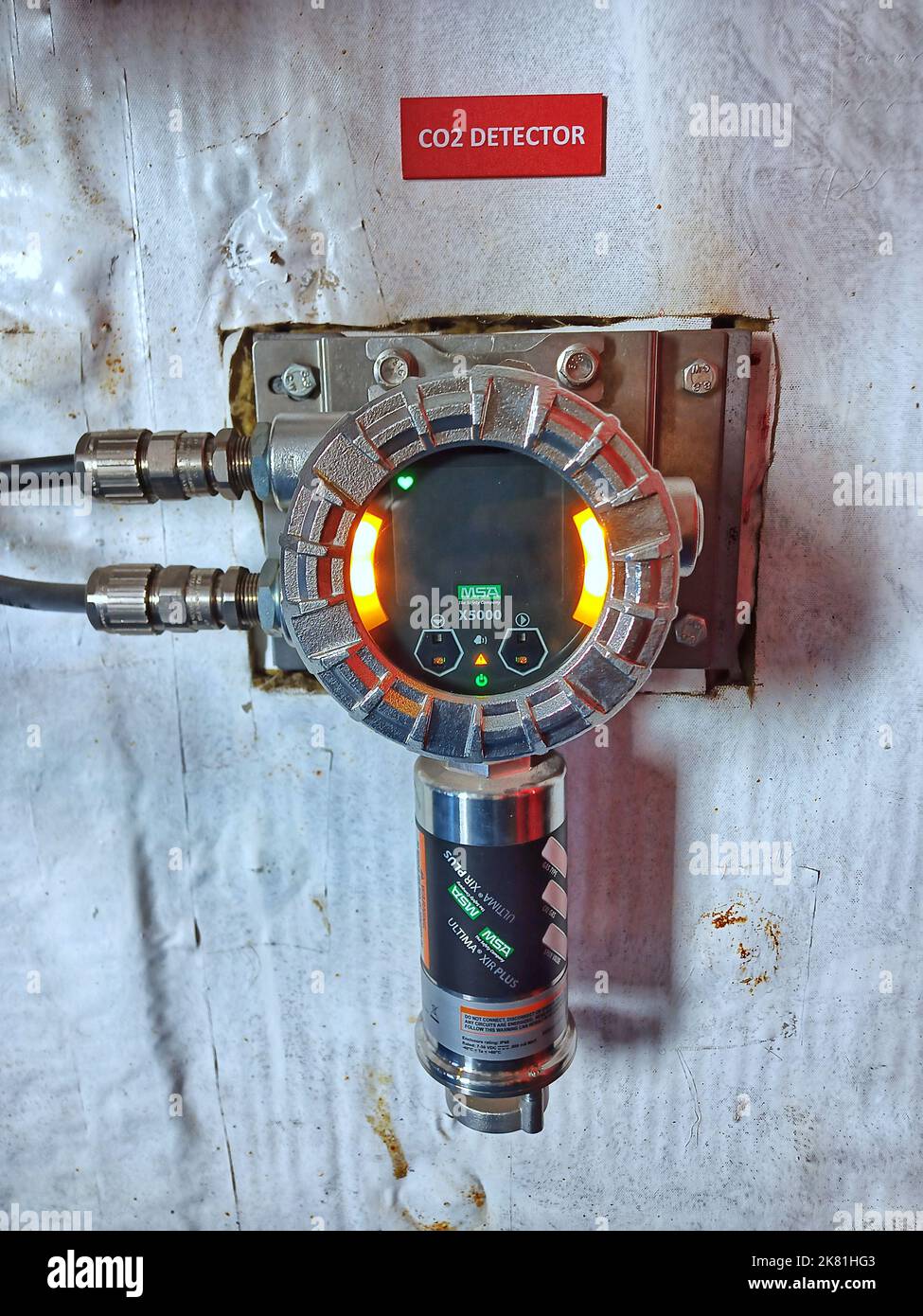
The Importance of Marine CO2 Detectors for Safety at Sea
When it comes to maritime safety, the importance of carbon dioxide (CO2) detectors cannot be overstated. These devices play a critical role in ensuring the well-being of crew members and passengers aboard ships and boats.
Marine CO2 detectors are designed to monitor the levels of carbon dioxide in the air. In enclosed spaces such as cabins, engine rooms, and cargo holds, the accumulation of CO2 can pose a serious threat to human health. High levels of CO2 can lead to dizziness, confusion, shortness of breath, and even loss of consciousness.
By installing CO2 detectors on marine vessels, crew members can be alerted to any dangerous increase in CO2 levels. This early warning system allows for prompt action to be taken, such as ventilating the area or evacuating personnel if necessary.
In addition to protecting human life, marine CO2 detectors also play a crucial role in preventing fires and explosions. High concentrations of carbon dioxide can indicate potential fuel leaks or other hazardous conditions that could lead to combustion.
Overall, marine CO2 detectors are an essential safety measure for any seafaring vessel. They provide peace of mind for both crew members and passengers by ensuring that the air they breathe is safe and free from harmful contaminants.
As technology continues to advance, modern marine CO2 detectors are becoming more sophisticated and reliable than ever before. Investing in high-quality CO2 detection systems is a proactive step towards enhancing safety standards at sea.
Whether you’re a commercial ship operator or a recreational boat owner, prioritising the installation of marine CO2 detectors is a decision that can save lives and protect your vessel from potential disasters.
Essential Tips for Ensuring Safety with Marine CO2 Detectors
- Ensure the CO2 detector is installed in a well-ventilated area near potential sources of carbon dioxide, such as engines or fuel-burning appliances.
- Regularly test the CO2 detector to ensure it is functioning properly and replace batteries as needed.
- Follow manufacturer’s instructions for installation and maintenance of the CO2 detector.
- Consider installing multiple CO2 detectors in different areas of the marine vessel for comprehensive coverage.
- Educate all passengers and crew members about the importance of responding promptly to any CO2 alerts from the detector.
- In case of a CO2 alert, evacuate the area immediately and seek fresh air before investigating or taking further action.
Ensure the CO2 detector is installed in a well-ventilated area near potential sources of carbon dioxide, such as engines or fuel-burning appliances.
To maximise the effectiveness of your marine CO2 detector, it is crucial to ensure that it is installed in a well-ventilated area near potential sources of carbon dioxide, such as engines or fuel-burning appliances. By placing the detector in close proximity to these sources, you can swiftly detect any increase in CO2 levels and take immediate action to mitigate any risks. Proper positioning of the CO2 detector enhances its ability to provide early warnings and ensures the safety of everyone on board the vessel.
Regularly test the CO2 detector to ensure it is functioning properly and replace batteries as needed.
It is crucial to regularly test your marine CO2 detector to verify that it is functioning correctly and providing accurate readings. Additionally, replacing the batteries as needed is essential to ensure that the detector remains operational at all times. By following these simple maintenance steps, you can help guarantee that your CO2 detector is ready to effectively monitor carbon dioxide levels and provide early warnings in case of any potential hazards on board a marine vessel.
Follow manufacturer’s instructions for installation and maintenance of the CO2 detector.
It is crucial to follow the manufacturer’s instructions for the installation and maintenance of your marine CO2 detector. By adhering to the guidelines provided, you can ensure that the detector functions effectively and accurately detects any dangerous levels of carbon dioxide on your vessel. Proper installation will guarantee optimal performance, while regular maintenance as per the manufacturer’s recommendations will help keep the detector in top working condition, providing reliable safety monitoring at sea.
Consider installing multiple CO2 detectors in different areas of the marine vessel for comprehensive coverage.
For comprehensive coverage and enhanced safety on marine vessels, it is advisable to consider installing multiple CO2 detectors in different areas of the ship. By strategically placing detectors in key locations such as cabins, engine rooms, and cargo holds, you can ensure thorough monitoring of carbon dioxide levels throughout the vessel. This proactive approach not only provides early detection of potential hazards but also allows for timely intervention to mitigate risks and protect the well-being of everyone on board.
Educate all passengers and crew members about the importance of responding promptly to any CO2 alerts from the detector.
It is crucial to educate all passengers and crew members about the significance of responding promptly to any CO2 alerts from the marine CO2 detector. In the event of an alert, immediate action must be taken to ensure the safety and well-being of everyone on board. By raising awareness about the importance of swift response to CO2 alerts, individuals can be prepared to follow safety protocols and mitigate potential risks effectively. This proactive approach can help prevent accidents and emergencies at sea, fostering a culture of safety and vigilance among all those aboard the vessel.
In case of a CO2 alert, evacuate the area immediately and seek fresh air before investigating or taking further action.
In the event of a CO2 alert onboard a marine vessel, it is crucial to prioritise safety by promptly evacuating the affected area and moving to an open space with fresh air. Taking immediate action to remove oneself from the potentially hazardous environment is paramount before attempting to investigate the source of the alert or taking any further steps. By following this protocol, individuals can mitigate the risks associated with high CO2 levels and ensure their well-being while onboard.