
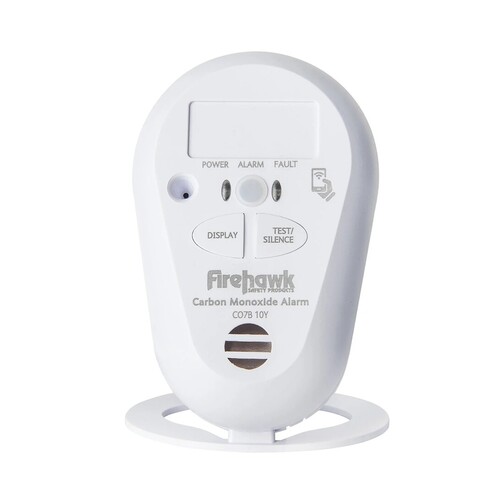
The Importance of Marine Carbon Monoxide Detectors
Carbon monoxide (CO) is a silent killer that can be especially dangerous on boats and other marine vessels. Due to the confined spaces and potential sources of CO, such as engines, generators, and cooking appliances, the risk of CO poisoning is heightened in marine environments.
Marine carbon monoxide detectors are essential safety devices that can save lives by alerting occupants to the presence of this odourless and colourless gas. These detectors are specifically designed to meet the unique challenges of marine settings, providing reliable monitoring and early detection of CO levels.
Installing a marine carbon monoxide detector on your boat is a crucial step in safeguarding the well-being of everyone on board. These detectors can detect even low levels of CO that may not be immediately noticeable but can still pose serious health risks over time.
CO poisoning symptoms can often be mistaken for seasickness or flu-like illness, making it imperative to have a detection system in place. By having a marine carbon monoxide detector installed, you can ensure prompt detection and response in case of any CO leakage or buildup.
Regular maintenance and testing of marine carbon monoxide detectors are vital to their effectiveness. It is essential to follow manufacturer guidelines for installation, placement, and upkeep to guarantee optimal performance when it matters most.
Don’t compromise on safety when it comes to boating. Invest in a reliable marine carbon monoxide detector today and enjoy peace of mind knowing that you have taken proactive steps to protect yourself and your passengers from the dangers of CO poisoning.
Essential FAQs on Carbon Monoxide Detectors for Boats: Placement, Necessity, and Safety Insights
- Where do you put a carbon monoxide detector on a boat?
- Can you put a carbon monoxide detector on a boat?
- Why would a carbon monoxide alarm go off on a boat?
- What is the best carbon monoxide detector for a boat?
- Where to put a CO detector in a boat?
- Do you need a carbon monoxide detector on a boat?
- What is the silent killer in homes?
Where do you put a carbon monoxide detector on a boat?
When it comes to installing a carbon monoxide detector on a boat, placement is key to ensuring optimal safety. It is recommended to place the marine carbon monoxide detector in areas where CO-producing equipment, such as engines, generators, and cooking appliances, are located. Additionally, detectors should be installed in sleeping areas and near any enclosed spaces where CO may accumulate. Proper placement of the detector can help ensure early detection of carbon monoxide levels and provide timely alerts to occupants, helping to prevent potential CO poisoning incidents on board.
Can you put a carbon monoxide detector on a boat?
Yes, you can and should put a carbon monoxide detector on a boat. Marine carbon monoxide detectors are specifically designed to operate effectively in the unique environment of a boat or other marine vessel. Due to the potential sources of carbon monoxide on boats, such as engines, generators, and cooking appliances, the risk of CO poisoning is significant. Installing a marine carbon monoxide detector is essential for early detection of this silent but deadly gas, helping to protect everyone on board from the dangers of CO poisoning. By having a marine carbon monoxide detector onboard, you can ensure a safer boating experience for all occupants.
Why would a carbon monoxide alarm go off on a boat?
When a carbon monoxide alarm goes off on a boat, it indicates the presence of potentially dangerous levels of carbon monoxide gas in the air. This can occur due to various reasons, such as malfunctioning engines, generators, or heating systems that produce CO as a by-product. Poor ventilation in enclosed spaces can also lead to CO buildup. Additionally, using fuel-burning appliances like stoves or heaters improperly or running them in confined areas without proper airflow can trigger the alarm. It is crucial to address the source of CO emissions immediately, ventilate the area, and ensure the safety of everyone on board when a carbon monoxide alarm is activated on a boat.
What is the best carbon monoxide detector for a boat?
When considering the best carbon monoxide detector for a boat, it is essential to choose a model specifically designed for marine environments. Look for detectors that are marine-grade and meet industry standards for reliability and performance on watercraft. Features to consider include durability, weather resistance, ease of installation, and reliable CO detection capabilities. It is recommended to opt for a detector that is approved by relevant maritime safety authorities and has a track record of effectiveness in detecting even low levels of carbon monoxide. Prioritising safety with a high-quality marine carbon monoxide detector can provide peace of mind and enhance the safety of everyone on board your boat.
Where to put a CO detector in a boat?
When it comes to installing a carbon monoxide (CO) detector on a boat, placement is crucial for effective detection and safety. The ideal location for a CO detector in a boat is in sleeping areas or cabins where occupants spend extended periods of time. Mounting the detector at head height or slightly higher is recommended to ensure that it can accurately sense any CO present in the air. Additionally, it is important to avoid placing the detector near sources of CO emissions, such as engines, generators, or cooking appliances, as this may lead to false alarms or reduced effectiveness. Properly positioning a CO detector in a boat can provide early warning of any potential CO leaks and help prevent the risks associated with CO poisoning while on the water.
Do you need a carbon monoxide detector on a boat?
Ensuring the safety of everyone on board a boat is paramount, making the installation of a carbon monoxide detector a crucial consideration. The confined spaces and potential sources of carbon monoxide on boats pose a significant risk of CO poisoning. A marine carbon monoxide detector can provide early warning of dangerous CO levels, offering essential protection against this silent threat. By having a carbon monoxide detector on your boat, you can take proactive steps to safeguard the well-being of passengers and crew, providing peace of mind while out on the water.
What is the silent killer in homes?
In homes, the silent killer is often identified as carbon monoxide (CO). This odourless and colourless gas can be produced by faulty heating systems, gas appliances, fireplaces, and generators. Due to its undetectable nature, carbon monoxide poisoning can occur without any warning signs, leading to serious health risks or even fatalities. Installing a carbon monoxide detector in your home is crucial to ensure early detection of this silent threat and protect yourself and your loved ones from the dangers of CO poisoning.