
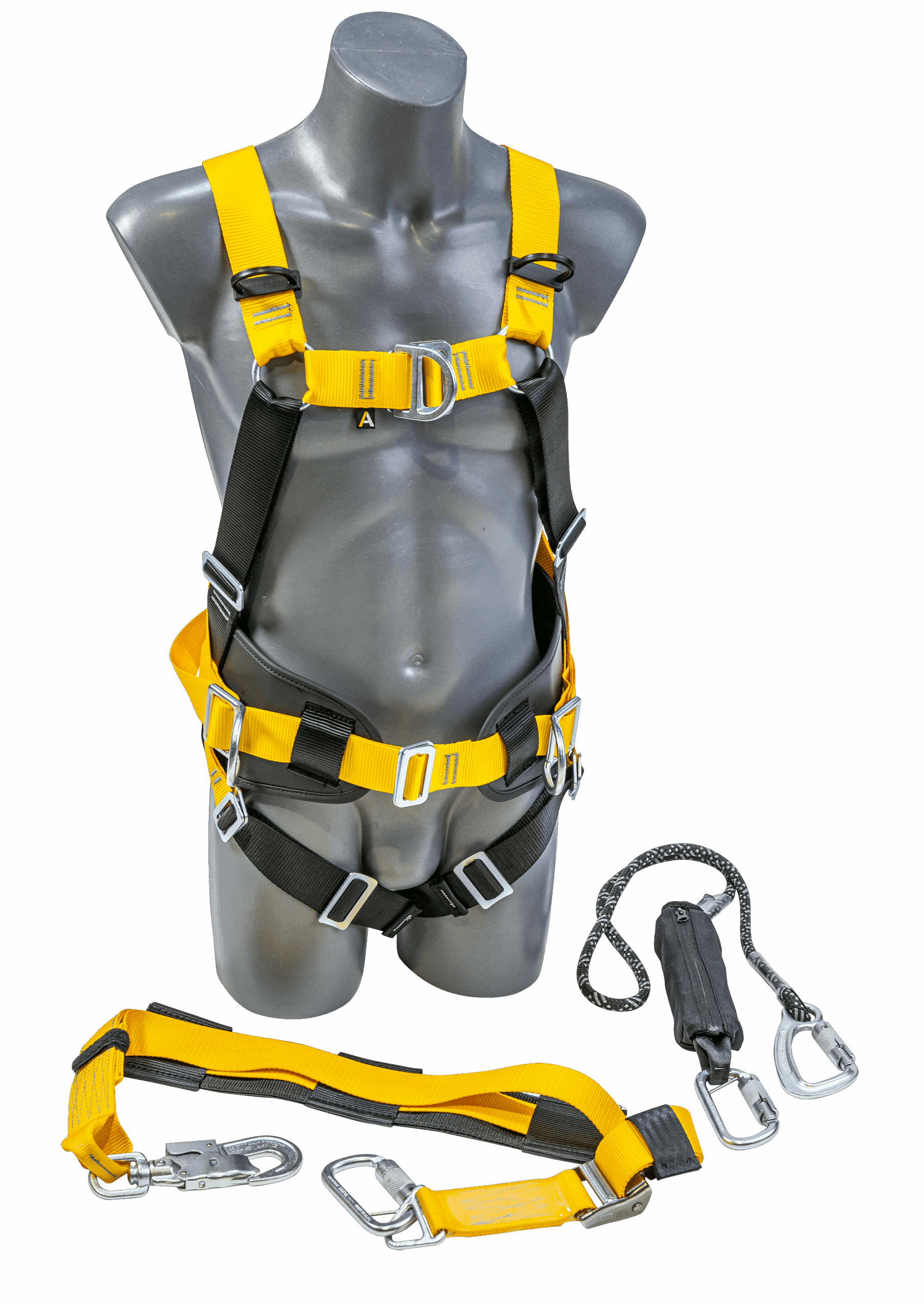
The Importance of Fall Arrest Belts in Workplace Safety
Fall arrest belts play a crucial role in ensuring the safety of workers at height in various industries. These specialized belts are designed to prevent falls and reduce the risk of serious injuries or fatalities in case of a fall.
One of the key features of fall arrest belts is their ability to distribute the force of a fall across the body, reducing the impact on any single body part. This helps to prevent severe injuries such as spinal cord injuries or fractures that can occur during a fall from height.
When working at height, whether on construction sites, telecom towers, or wind turbines, wearing a fall arrest belt is essential. These belts are typically equipped with shock-absorbing lanyards or retractable lifelines that activate in the event of a fall, safely arresting the worker’s descent.
Employers have a legal responsibility to provide appropriate fall protection equipment, including fall arrest belts, and ensure that workers are trained on their proper use. Regular inspection and maintenance of fall protection equipment are also essential to ensure its effectiveness and reliability.
Investing in high-quality fall arrest belts not only protects workers from harm but also contributes to a positive safety culture within an organisation. Workers who feel safe and supported are more likely to perform their tasks efficiently and effectively.
In conclusion, fall arrest belts are indispensable tools for safeguarding workers at height and preventing falls in the workplace. By prioritising safety and providing adequate training and equipment, employers can create a safer working environment for all employees.
Understanding Fall Arrest Belts: Types, Uses, and Regulations FAQs
- What are the 3 types of harnesses?
- What is the use of fall arrest?
- When did it become prohibited to use a body belt for fall arrest?
- What are the 2 types of fall arrest?
- What is a body belt fall arrest system?
What are the 3 types of harnesses?
When it comes to fall protection equipment, harnesses are essential components that play a critical role in ensuring the safety of workers at height. There are three main types of harnesses commonly used in fall arrest systems: full-body harnesses, positioning harnesses, and suspension harnesses. Full-body harnesses are designed to distribute the force of a fall across the entire body, providing maximum protection and support. Positioning harnesses are used for work positioning tasks that require hands-free operation, while suspension harnesses are specifically designed for situations where a worker may be suspended in a harness for an extended period. Choosing the appropriate type of harness based on the specific work environment and requirements is crucial to maintaining a high level of safety and preventing falls in the workplace.
What is the use of fall arrest?
Fall arrest systems, including fall arrest belts, are designed to protect workers who perform tasks at height by safely arresting their fall in the event of a slip or trip. The primary use of fall arrest equipment is to prevent serious injuries or fatalities that can occur when working at elevated levels. By wearing a fall arrest belt and being connected to a secure anchorage point, workers have an added layer of protection that reduces the risk of falling to a lower level. Fall arrest systems are essential in industries where working at height is common, such as construction, maintenance, and telecommunications, ensuring the safety and well-being of workers while on the job.
When did it become prohibited to use a body belt for fall arrest?
The use of body belts for fall arrest became prohibited in the UK with the introduction of the Work at Height Regulations in 2005. Prior to this regulation, body belts were commonly used as a form of fall protection. However, it was recognised that body belts do not provide adequate support or protection in the event of a fall from height. The shift towards harnesses and other more effective fall arrest systems was made to enhance worker safety and reduce the risk of serious injuries or fatalities when working at height.
What are the 2 types of fall arrest?
When it comes to fall arrest systems, there are two main types commonly used in workplace safety: personal fall arrest systems and collective fall arrest systems. Personal fall arrest systems are designed to protect individual workers by using equipment such as harnesses, lanyards, and anchors to arrest a fall should it occur. On the other hand, collective fall arrest systems are engineered solutions that aim to prevent falls from happening in the first place by providing barriers or guardrails around elevated work areas. Both types of fall arrest play a critical role in ensuring the safety of workers at height and reducing the risk of serious injuries in the event of a fall.
What is a body belt fall arrest system?
A body belt fall arrest system is a safety harness designed to protect workers at height by preventing falls and reducing the risk of serious injuries. Unlike a full-body harness, a body belt typically wraps around the waist and provides attachment points for connecting lanyards or lifelines. The system is designed to distribute the force of a fall across the body, limiting the impact on any single body part. Employed in various industries such as construction, maintenance, and telecommunications, a body belt fall arrest system plays a crucial role in ensuring worker safety when working at elevated heights. It is essential for employers to provide proper training on the correct use of body belts and ensure regular inspection and maintenance to uphold safety standards in the workplace.