
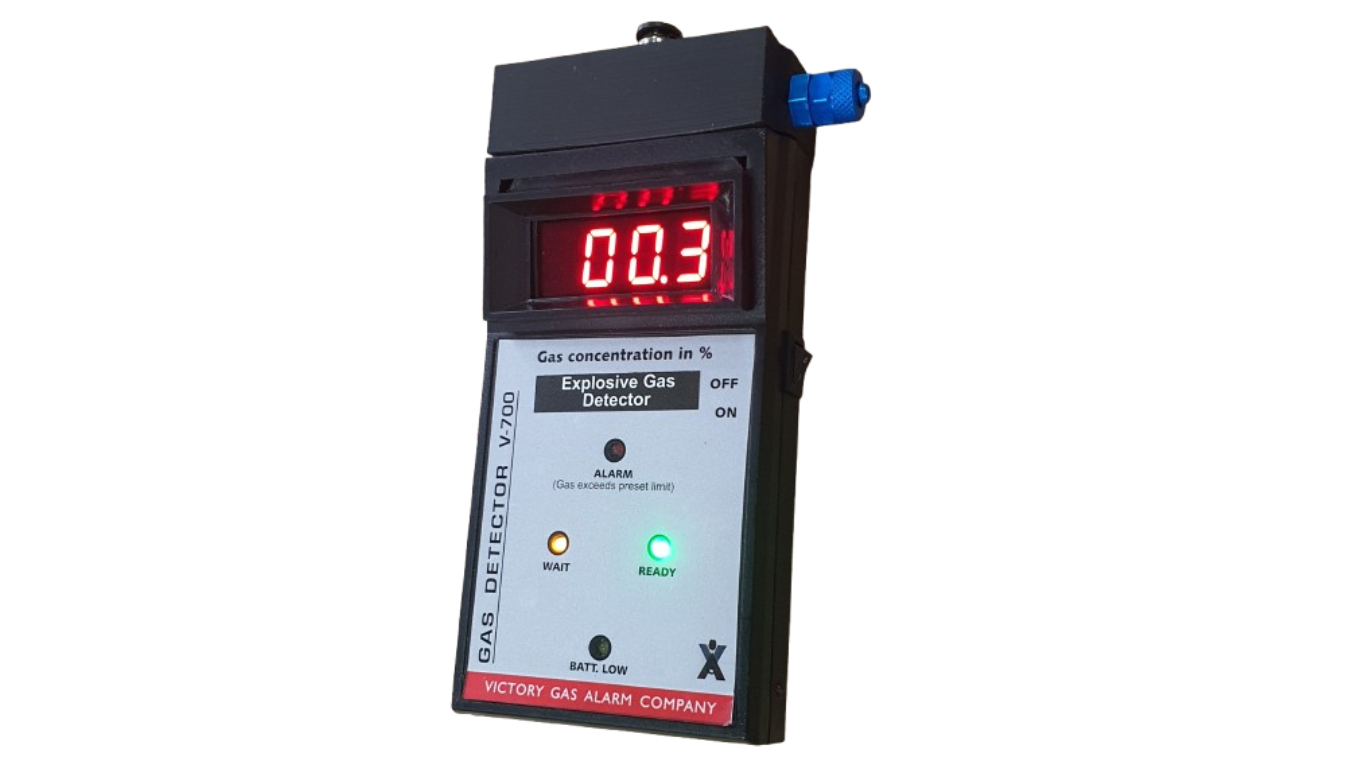
The Importance of an Explosive Gas Alarm in Ensuring Safety
Explosive gases pose a serious threat to both residential and commercial properties. These gases, such as methane, propane, and butane, are highly flammable and can lead to catastrophic explosions if not detected early. This is where an explosive gas alarm plays a crucial role in ensuring the safety of occupants and preventing potential disasters.
An explosive gas alarm is a device designed to detect the presence of combustible gases in the air. It continuously monitors the air for any traces of these gases and triggers an alarm when levels exceed safe limits. This early warning system allows occupants to evacuate the premises promptly and alert emergency services before a hazardous situation escalates.
Installing an explosive gas alarm is essential in areas where gas appliances are used, such as kitchens, boiler rooms, and industrial facilities. These alarms provide peace of mind by acting as a reliable safeguard against gas leaks that may go unnoticed by human senses alone.
Regular maintenance and testing of explosive gas alarms are critical to ensure their effectiveness. It is recommended to follow the manufacturer’s guidelines for installation, testing frequency, and replacement intervals to guarantee optimal performance.
In conclusion, investing in an explosive gas alarm is a proactive measure that can save lives and prevent property damage in the event of a gas leak or buildup. By prioritising safety through the use of this essential device, individuals and businesses can mitigate risks associated with explosive gases and create a secure environment for all.
Understanding Explosive Gas Alarms: FAQs on Functionality, Placement, and Safety Measures
- What does 20% lel mean?
- What is an explosive gas alarm?
- What do I do if my explosive gas alarm goes off?
- Can you get an alarm for gas?
- Where to place an explosive gas alarm?
- How does an explosive gas sensor work?
- Do explosive gas alarms work?
- What is a LEL detector?
What does 20% lel mean?
When referring to an explosive gas alarm, the term “20% LEL” stands for 20% of the Lower Explosive Limit. The Lower Explosive Limit (LEL) represents the minimum concentration of a combustible gas in the air that is required to potentially ignite or explode in the presence of an ignition source. Therefore, if a gas sensor detects a gas level at 20% LEL, it means that the concentration of that particular gas in the air has reached one-fifth of its lower explosive limit, indicating a significant risk of combustion. Monitoring and responding to such levels promptly are crucial to preventing hazardous situations and ensuring safety within the environment.
What is an explosive gas alarm?
An explosive gas alarm is a crucial safety device designed to detect the presence of combustible gases, such as methane, propane, and butane, in the air. This innovative device continuously monitors the surrounding environment for any signs of these hazardous gases and promptly alerts occupants through an alarm system when gas levels exceed safe thresholds. By providing early warning signals, an explosive gas alarm plays a vital role in safeguarding homes, businesses, and industrial settings against potential explosions or fires caused by gas leaks. Its ability to detect invisible threats ensures prompt action can be taken to mitigate risks and protect lives and property.
What do I do if my explosive gas alarm goes off?
In the event that your explosive gas alarm goes off, it is crucial to remain calm and take immediate action to ensure your safety and that of others. Firstly, evacuate the premises promptly and move to a safe location outside. Do not switch on or off any electrical devices or create any sparks, as this could ignite any potential gas present. Contact the emergency services immediately and inform them of the situation. It is important not to re-enter the building until it has been deemed safe by qualified professionals. Regularly testing and maintaining your explosive gas alarm can help prevent false alarms and ensure its reliability in detecting actual gas leaks.
Can you get an alarm for gas?
Yes, you can indeed get an alarm specifically designed to detect explosive gases, such as methane, propane, and butane. These alarms are commonly known as explosive gas alarms or gas detectors. They are equipped with sensors that can detect the presence of combustible gases in the air and trigger an alert if gas levels exceed safe limits. Installing a gas alarm in areas where gas appliances are used is crucial for early detection of leaks and ensuring the safety of occupants. It is recommended to have a reliable explosive gas alarm in place to provide a proactive measure against potential hazards associated with gas leaks.
Where to place an explosive gas alarm?
When considering where to place an explosive gas alarm, it is crucial to strategically position the device in areas where the risk of gas leaks or accumulations is highest. Common locations for installing an explosive gas alarm include near gas appliances such as boilers, water heaters, stoves, and ovens. Additionally, areas with natural gas lines or propane tanks should be equipped with alarms to promptly detect any potential leaks. It is recommended to place the alarm at a height between knee and shoulder level for optimal detection of gases that may rise or disperse throughout the room. By strategically situating explosive gas alarms in key areas prone to gas-related hazards, occupants can enhance their safety and respond promptly to any detected threats.
How does an explosive gas sensor work?
An explosive gas sensor operates by detecting the presence of combustible gases in the surrounding environment. This sensor typically contains a sensitive element that reacts to specific gas molecules, causing a measurable change in electrical conductivity or another physical property. When combustible gases reach a certain concentration level, the sensor triggers an alarm to alert individuals of potential danger. By continuously monitoring the air for hazardous gases and promptly signalling any deviations from safe levels, these sensors play a crucial role in ensuring early detection and prevention of gas-related accidents.
Do explosive gas alarms work?
When it comes to the effectiveness of explosive gas alarms, the answer is a resounding yes. Explosive gas alarms are designed with advanced technology to detect even trace amounts of combustible gases in the air, providing an early warning system that can potentially save lives and prevent disasters. These alarms are reliable, sensitive, and crucial in alerting occupants to the presence of dangerous gases, prompting swift action to ensure safety. Regular testing and maintenance are key to ensuring that explosive gas alarms work optimally and provide the necessary protection against gas leaks and potential explosions.
What is a LEL detector?
A Lower Explosive Limit (LEL) detector, commonly referred to as an LEL detector, is a crucial component of an explosive gas alarm system. This device is designed to measure the concentration of combustible gases in the air and determine if it falls within safe limits. The LEL detector specifically focuses on detecting gas levels that are below the threshold at which an explosive atmosphere could form. By continuously monitoring and alerting users to any increases in gas levels approaching the lower explosive limit, an LEL detector plays a vital role in early detection and prevention of potential fire or explosion hazards.