
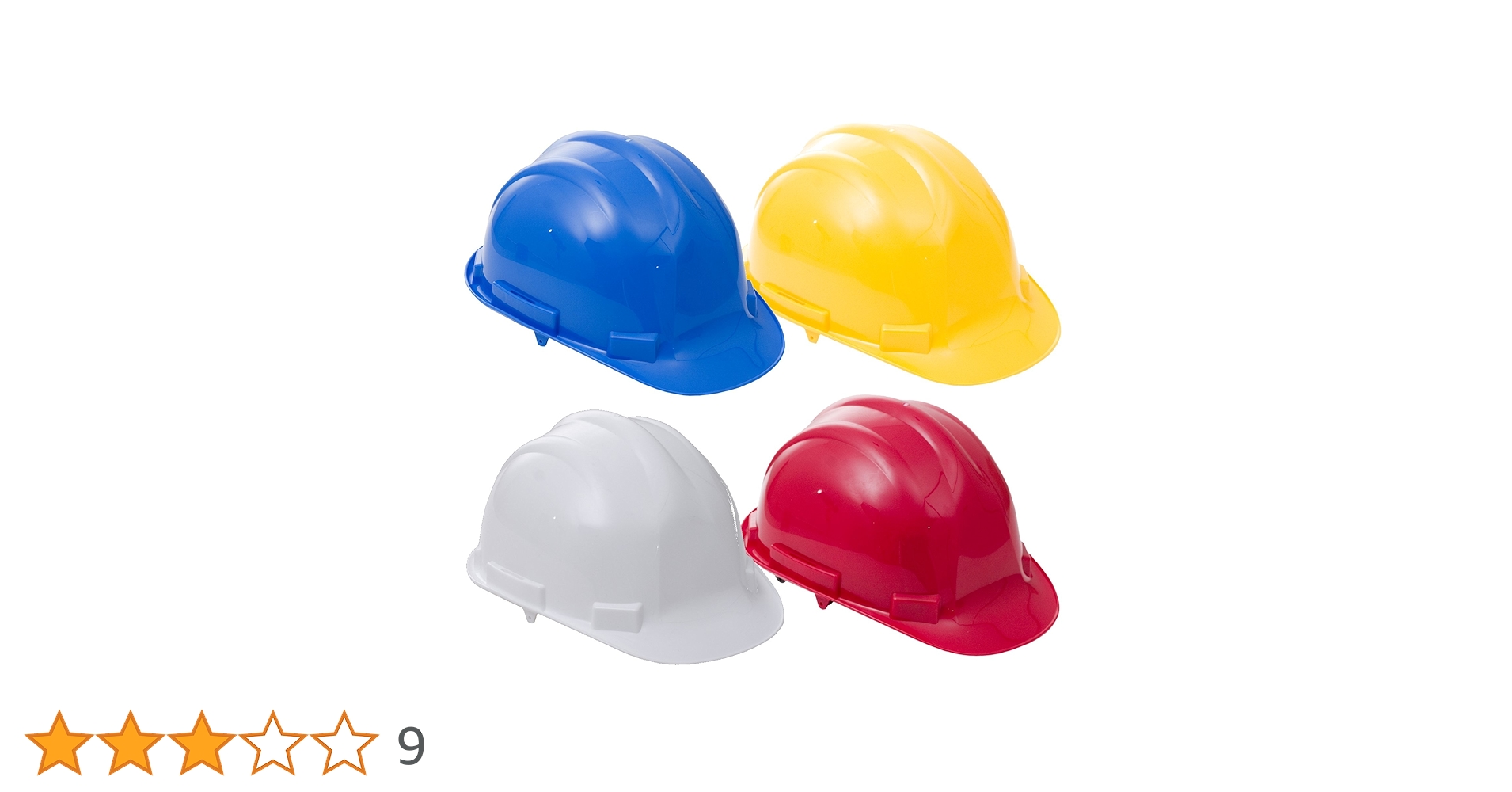
The Importance of Personal Protective Equipment: Helmets
Personal protective equipment (PPE) plays a crucial role in ensuring safety in various environments, and one essential piece of PPE is the helmet. Helmets are designed to protect the head from injuries that can occur due to impacts, falls, or other accidents.
Whether you’re working in construction, riding a bike, participating in sports activities, or engaging in any task where there’s a risk of head injury, wearing a helmet is vital. Here are some key reasons why helmets are important:
Head Injury Prevention
Helmets act as a shield for your head, reducing the impact of blows and protecting your skull and brain from serious injuries. In case of falls or accidents, helmets absorb and disperse the force of impact, significantly lowering the risk of head trauma.
Compliance with Safety Regulations
In many industries and activities, wearing helmets is mandatory to comply with safety regulations and standards. By wearing a helmet, you not only protect yourself but also adhere to legal requirements that promote safety in workplaces and public spaces.
Increased Confidence
Knowing that you’re wearing a helmet can boost your confidence when engaging in risky activities. It provides a sense of security and reassurance that you’re taking proactive steps to safeguard your well-being.
Long-Term Health Benefits
Preventing head injuries through helmet use can have long-term health benefits by avoiding potentially life-altering consequences such as concussions, brain damage, or even fatalities. Investing in a quality helmet now can protect your future well-being.
Setting an Example
By wearing a helmet consistently, you set a positive example for others around you – whether it’s your colleagues at work or children at home. Demonstrating responsible behaviour towards safety encourages others to prioritise their own protection as well.
In conclusion, helmets are more than just protective gear; they are essential tools for safeguarding your head and preventing severe injuries. Remember: it only takes one accident to realise the importance of wearing a helmet. Stay safe, stay protected!
Essential Tips for Ensuring Safety with Personal Protective Helmets
- Always wear a helmet that fits properly and securely on your head.
- Inspect your helmet regularly for any signs of damage or wear, and replace if necessary.
- Make sure the helmet meets the required safety standards for your specific activity.
- Keep your helmet clean by following the manufacturer’s cleaning instructions.
- Avoid modifying your helmet as it may affect its protective capabilities.
- Store your helmet in a cool, dry place away from direct sunlight when not in use.
- Replace your helmet after any significant impact or accident, even if no visible damage is present.
- Do not lend or borrow helmets as they may not fit properly or have been damaged without your knowledge.
Always wear a helmet that fits properly and securely on your head.
It is crucial to always wear a helmet that fits properly and securely on your head when engaging in activities where head injuries are a risk. A well-fitted helmet ensures maximum protection by staying in place during impacts or falls, reducing the likelihood of injuries. A helmet that is too loose may shift or come off easily, compromising its effectiveness. Therefore, taking the time to adjust and secure your helmet correctly before each use is a simple yet essential step towards ensuring your safety and well-being. Remember, a properly fitting helmet can make all the difference in protecting your head in case of an accident. Stay safe and wear your helmet with confidence!
Inspect your helmet regularly for any signs of damage or wear, and replace if necessary.
It is crucial to regularly inspect your helmet for any indications of damage or wear. Checking for cracks, dents, loose straps, or any other signs of deterioration is essential to ensure that your helmet remains effective in protecting your head. If you notice any damage during inspection, it is imperative to replace the helmet immediately. By maintaining a habit of thorough inspection and timely replacement when necessary, you can ensure that your personal protective equipment continues to provide the necessary level of safety and protection.
Make sure the helmet meets the required safety standards for your specific activity.
When it comes to personal protective equipment like helmets, ensuring that it meets the necessary safety standards for your particular activity is paramount. Different activities may pose varying risks, and using a helmet that complies with the specific safety standards for that activity can significantly enhance its effectiveness in protecting your head from potential injuries. By choosing a helmet that meets the required safety standards, you can have greater confidence in its ability to provide adequate protection and minimise the risks associated with your chosen pursuit. Remember, prioritising safety by selecting the right helmet for your activity is a proactive step towards safeguarding yourself against potential hazards.
Keep your helmet clean by following the manufacturer’s cleaning instructions.
To ensure the effectiveness and longevity of your personal protective equipment helmet, such as a hard hat or a bike helmet, it is crucial to keep it clean by adhering to the manufacturer’s cleaning instructions. Proper maintenance not only enhances the durability of the helmet but also ensures that it continues to provide optimal protection when needed. By following the recommended cleaning guidelines provided by the manufacturer, you can maintain the integrity of the helmet’s materials and components, ultimately contributing to your safety in various environments. Remember, a clean helmet is a safe helmet.
Avoid modifying your helmet as it may affect its protective capabilities.
It is crucial to avoid modifying your helmet as it can compromise its protective capabilities. Helmets are specifically designed and tested to provide optimal protection in case of impacts or accidents. Any alterations, such as drilling holes, removing padding, or adding attachments, can weaken the helmet’s structure and reduce its effectiveness in safeguarding your head. To ensure maximum safety, always use your helmet as intended by the manufacturer and refrain from making any modifications that could jeopardise its ability to protect you. Your safety is paramount, so keep your helmet intact and maintain its protective integrity at all times.
Store your helmet in a cool, dry place away from direct sunlight when not in use.
To ensure the longevity and effectiveness of your personal protective equipment helmet, it is important to store it in a cool, dry place away from direct sunlight when not in use. Exposure to sunlight and extreme temperatures can degrade the materials of the helmet, compromising its ability to provide adequate protection. By storing your helmet properly, you help maintain its structural integrity and ensure that it remains reliable when you need it most. Remember, proper care and storage of your helmet are essential for maximising its safety benefits.
Replace your helmet after any significant impact or accident, even if no visible damage is present.
It is crucial to replace your helmet after any significant impact or accident, even if no visible damage is present. Helmets are designed to absorb and disperse the force of impacts to protect your head effectively. Even if the outer shell appears intact, the internal structure may have been compromised, reducing its ability to provide adequate protection in future incidents. Prioritising your safety by promptly replacing a helmet after any significant impact ensures that you continue to receive optimal protection for your head and reduce the risk of potential injuries.
Do not lend or borrow helmets as they may not fit properly or have been damaged without your knowledge.
It is crucial to avoid lending or borrowing helmets when it comes to personal protective equipment. Helmets should be individually fitted to ensure proper protection, and sharing helmets can lead to a poor fit that compromises safety. Additionally, helmets may have been damaged without your knowledge, making them less effective in protecting against head injuries. Prioritising the use of properly fitted and undamaged helmets is essential for ensuring maximum safety in various activities and environments.