
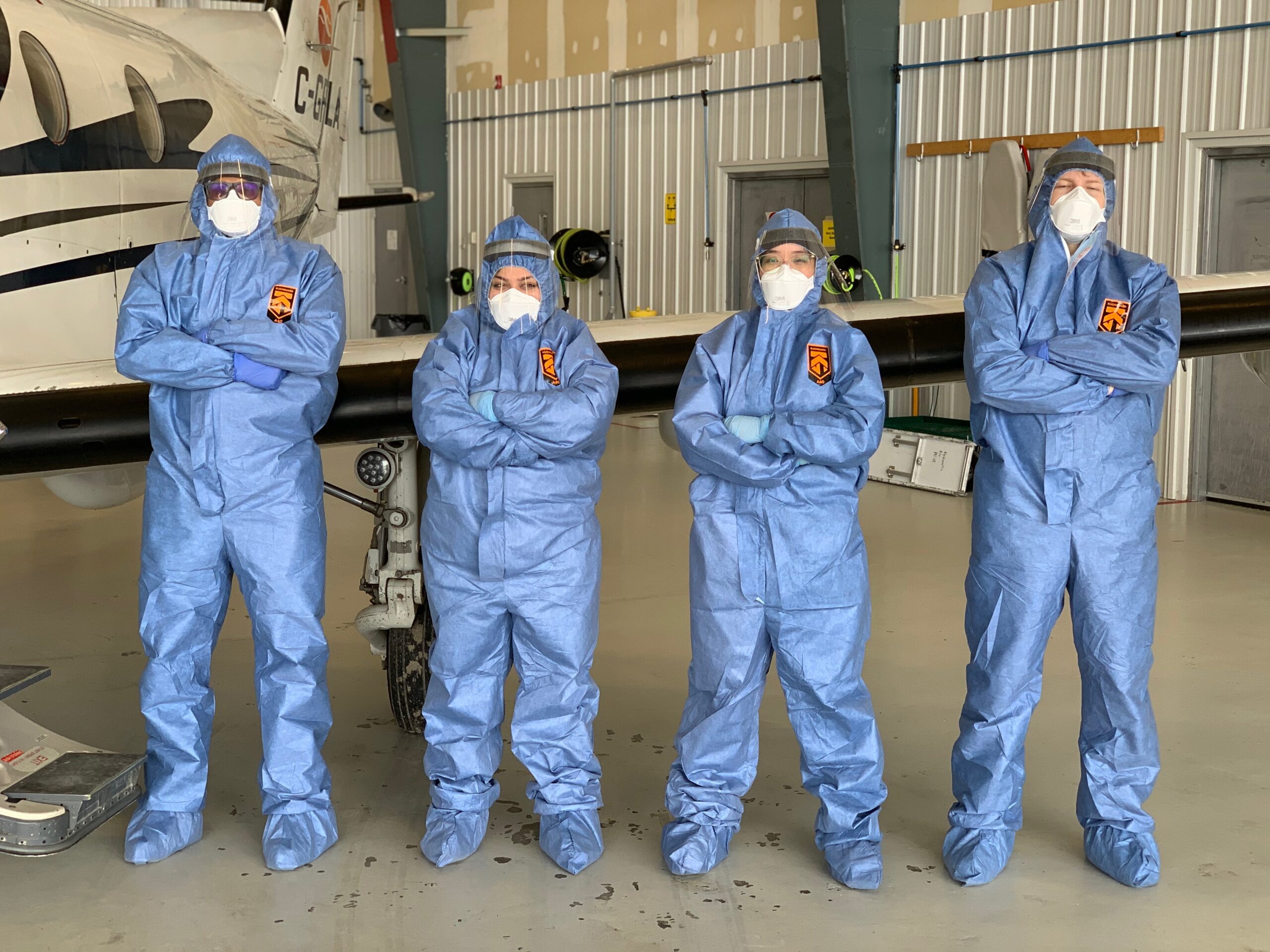
The Importance of Personal Protective Equipment (PPE) in Aviation
Aviation is a high-risk industry where safety is paramount. Pilots, cabin crew, ground staff, and maintenance personnel all face potential hazards in their daily work. One crucial aspect of ensuring safety in aviation is the proper use of Personal Protective Equipment (PPE).
PPE in aviation includes items such as helmets, goggles, ear defenders, gloves, high-visibility clothing, and respiratory protection. These items are designed to protect aviation professionals from various risks such as head injuries, hearing damage, chemical exposure, and visibility issues.
For pilots and cabin crew, PPE like fire-resistant uniforms and oxygen masks are essential for dealing with emergency situations such as fires or loss of cabin pressure. Ground staff handling luggage or refuelling aircraft require protective gloves to prevent injuries.
Proper training on the correct use of PPE is crucial in the aviation industry. Employees must understand when and how to use each piece of equipment to maximise its effectiveness. Regular inspections and maintenance of PPE are also important to ensure that it remains in good condition.
Aviation authorities around the world have strict regulations regarding the use of PPE to ensure the safety of all personnel involved in air travel. Compliance with these regulations is mandatory for all airlines and aviation service providers.
In conclusion, Personal Protective Equipment plays a vital role in maintaining safety standards in the aviation industry. By providing adequate PPE and ensuring its proper use, aviation companies can protect their employees from harm and create a safer working environment for everyone involved.
Understanding PPE in Aviation: Key Questions and Answers
- What is PPE in aviation?
- Why is PPE important in aviation?
- What does PPE stand for?
- What are the examples of PPE in aviation?
- What are 5 types of PPE?
What is PPE in aviation?
Personal Protective Equipment (PPE) in aviation refers to the essential gear and clothing worn by aviation professionals to protect themselves from potential hazards in the workplace. This includes items such as helmets, goggles, ear defenders, gloves, high-visibility clothing, and respiratory protection. In the aviation industry, where safety is of utmost importance, PPE plays a crucial role in safeguarding pilots, cabin crew, ground staff, and maintenance personnel from various risks such as head injuries, hearing damage, chemical exposure, and visibility issues. Proper training on the correct use of PPE is vital to ensure its effectiveness in emergency situations and daily operations within the aviation sector.
Why is PPE important in aviation?
Personal Protective Equipment (PPE) is crucial in aviation due to the high-risk nature of the industry. Aviation professionals, including pilots, cabin crew, ground staff, and maintenance personnel, are exposed to various hazards during their work. PPE such as helmets, goggles, ear defenders, gloves, high-visibility clothing, and respiratory protection helps protect individuals from potential risks like head injuries, hearing damage, chemical exposure, and visibility issues. In emergency situations such as fires or loss of cabin pressure, PPE like fire-resistant uniforms and oxygen masks are essential for ensuring the safety of pilots and cabin crew. Compliance with strict regulations on the use of PPE in aviation is mandatory to safeguard the well-being of all personnel involved in air travel.
What does PPE stand for?
Personal Protective Equipment (PPE) is a term commonly used in the aviation industry to refer to the essential gear and clothing worn by aviation professionals to protect themselves from various workplace hazards. PPE includes items such as helmets, goggles, gloves, and high-visibility clothing, among others. Its primary purpose is to ensure the safety and well-being of individuals working in aviation by providing them with necessary protection against potential risks and dangers they may encounter during their duties.
What are the examples of PPE in aviation?
In aviation, Personal Protective Equipment (PPE) encompasses a range of essential items designed to safeguard aviation professionals from various occupational hazards. Common examples of PPE in aviation include helmets, goggles, ear defenders, fire-resistant uniforms, high-visibility clothing, gloves, and respiratory protection equipment. Pilots and cabin crew rely on PPE like oxygen masks and fire-resistant attire to address emergencies such as fires or loss of cabin pressure. Ground staff handling luggage or conducting refuelling operations often use protective gloves to prevent injuries. These examples highlight the critical role that appropriate PPE plays in ensuring the safety and well-being of individuals working within the aviation industry.
What are 5 types of PPE?
In the aviation industry, Personal Protective Equipment (PPE) plays a crucial role in ensuring the safety of personnel. There are five main types of PPE commonly used in aviation: helmets, goggles, ear defenders, gloves, and high-visibility clothing. Helmets protect against head injuries, goggles shield the eyes from debris and chemicals, ear defenders prevent hearing damage from loud noise, gloves provide hand protection during handling tasks, and high-visibility clothing enhances visibility on the airfield. These essential pieces of PPE help to mitigate risks and safeguard aviation professionals in their daily operations.