
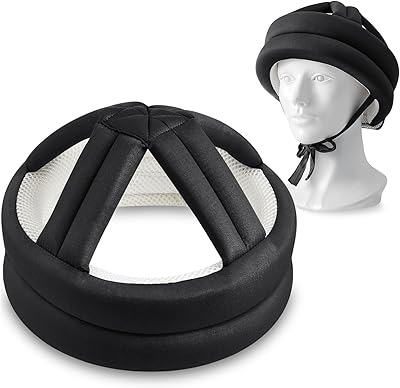
The Importance of Fall Protection Helmets in Workplace Safety
Fall protection helmets are an essential piece of safety equipment in various industries where workers are exposed to the risk of falls from heights. These specially designed helmets play a crucial role in protecting workers from head injuries and ensuring their safety while working at elevated levels.
One of the key features of fall protection helmets is their ability to absorb and dissipate the impact energy in case of a fall or collision. The sturdy shell and inner suspension system work together to reduce the force of impact on the head, thereby minimising the risk of traumatic brain injuries and other serious consequences.
Furthermore, fall protection helmets are equipped with chin straps that help secure the helmet in place during sudden movements or falls. This ensures that the helmet remains properly positioned on the head at all times, providing continuous protection to the worker.
Employers have a legal responsibility to provide appropriate fall protection equipment, including helmets, to workers who are exposed to fall hazards in the workplace. By complying with safety regulations and ensuring that workers wear protective helmets, employers can significantly reduce the risk of accidents and injuries on site.
It is important for workers to understand the importance of wearing fall protection helmets and follow safety guidelines at all times. Proper training on how to inspect, wear, and maintain these helmets is essential for maximising their effectiveness and ensuring optimal protection for workers.
In conclusion, fall protection helmets are indispensable tools for safeguarding workers against head injuries in high-risk work environments. By investing in quality helmets and promoting a culture of safety awareness, employers can create a safer workplace for their employees and prevent unnecessary accidents.
Essential FAQs on Fall Protection Helmets: Understanding Their Importance, Functionality, and Maintenance
- 1. What is a fall protection helmet?
- 2. Why is wearing a fall protection helmet important?
- 3. How does a fall protection helmet work?
- 4. When should I wear a fall protection helmet?
- 5. What are the key features to look for in a quality fall protection helmet?
- 6. How often should fall protection helmets be inspected and replaced?
- 7. Are there different types of fall protection helmets for specific industries or tasks?
- 8. Where can I receive training on how to properly wear and maintain a fall protection helmet?
1. What is a fall protection helmet?
A fall protection helmet is a specialised safety headgear designed to protect individuals working at heights from potential falls and head injuries. It is a crucial piece of personal protective equipment (PPE) commonly used in industries such as construction, mining, and utilities where workers are exposed to elevated risks. The primary function of a fall protection helmet is to absorb and distribute impact energy in the event of a fall or collision, reducing the risk of traumatic brain injuries and ensuring the wearer’s safety. Additionally, these helmets are equipped with features like chin straps for secure fitment and compliance with safety regulations. Understanding the purpose and proper use of fall protection helmets is essential for maintaining workplace safety standards and preventing accidents.
2. Why is wearing a fall protection helmet important?
Wearing a fall protection helmet is crucial for ensuring the safety and well-being of workers in environments where there is a risk of falls from heights. The primary purpose of wearing a fall protection helmet is to protect the head from potential injuries in case of a fall or impact. The helmet’s design, including its sturdy shell and inner suspension system, is specifically engineered to absorb and dissipate the force of impact, reducing the risk of traumatic brain injuries and other serious consequences. By wearing a fall protection helmet, workers significantly enhance their safety while working at elevated levels, complying with safety regulations, and promoting a culture of workplace safety awareness.
3. How does a fall protection helmet work?
A fall protection helmet functions by providing crucial head protection to individuals working at heights or in environments where falls may occur. The helmet is designed with a durable outer shell and an inner suspension system that work together to absorb and disperse the impact energy in the event of a fall or collision. This mechanism helps reduce the force exerted on the head, thereby minimising the risk of serious head injuries such as concussions or skull fractures. Additionally, fall protection helmets are equipped with chin straps to ensure a secure fit on the wearer’s head, enhancing stability and ensuring continuous protection. By effectively mitigating the impact of falls and providing a reliable barrier against head injuries, fall protection helmets play a vital role in safeguarding workers in high-risk settings.
4. When should I wear a fall protection helmet?
Fall protection helmets should be worn whenever there is a risk of falling from heights in the workplace. Whether you are working on a construction site, performing maintenance tasks on elevated structures, or engaging in any activity where there is a potential for falls, wearing a fall protection helmet is crucial. It is essential to wear the helmet from the moment you are exposed to the risk of falling until you are safely back on the ground. By wearing a fall protection helmet consistently and correctly, you can significantly reduce the risk of head injuries and ensure your safety while working at heights.
5. What are the key features to look for in a quality fall protection helmet?
When considering a quality fall protection helmet, there are several key features to look for to ensure optimal safety and protection. Firstly, the material and construction of the helmet play a crucial role in its effectiveness. Look for helmets made from durable and impact-resistant materials with a sturdy shell that can withstand high forces. Additionally, an inner suspension system is essential for absorbing and dissipating impact energy in case of a fall. Chin straps are another important feature to secure the helmet in place during sudden movements. Ventilation is also vital to ensure comfort during extended wear. Lastly, certifications such as meeting safety standards like EN 397 or ANSI Z89.1 can provide assurance of the helmet’s quality and compliance with industry regulations.
6. How often should fall protection helmets be inspected and replaced?
Fall protection helmets should be inspected regularly to ensure their effectiveness in protecting workers from head injuries. It is recommended that helmets be inspected before each use to check for any signs of damage, wear, or deterioration. Additionally, helmets should undergo a thorough inspection at least once a year by a qualified professional to assess their condition and structural integrity. If a helmet sustains any impact or damage during use, it should be immediately replaced, even if there are no visible signs of damage. Regular inspection and timely replacement of fall protection helmets are essential to maintaining a safe working environment and ensuring the continued safety of workers at risk of falls from heights.
7. Are there different types of fall protection helmets for specific industries or tasks?
Yes, there are different types of fall protection helmets designed to meet the specific safety requirements of various industries and tasks. Depending on the nature of the work and the potential hazards involved, different industries may require specialised helmets that offer additional features or protection. For example, construction workers may need helmets with built-in eye and face protection, while industrial climbers may require helmets with integrated communication systems. It is essential for employers to assess the specific needs of their workers and provide them with the appropriate type of fall protection helmet to ensure maximum safety and effectiveness in their respective work environments.
8. Where can I receive training on how to properly wear and maintain a fall protection helmet?
For individuals seeking training on the correct methods of wearing and maintaining a fall protection helmet, there are various resources available to ensure proper safety practices. Many reputable organisations, such as safety training providers, construction companies, and occupational health and safety agencies, offer specialised courses and workshops on fall protection equipment, including helmets. Additionally, employers are often responsible for providing comprehensive training to their workers on the proper usage and maintenance of safety gear, including fall protection helmets. By enrolling in these training programmes and following industry guidelines, individuals can learn how to correctly wear, inspect, and care for their helmets to maximise their effectiveness in preventing head injuries during work at heights.