
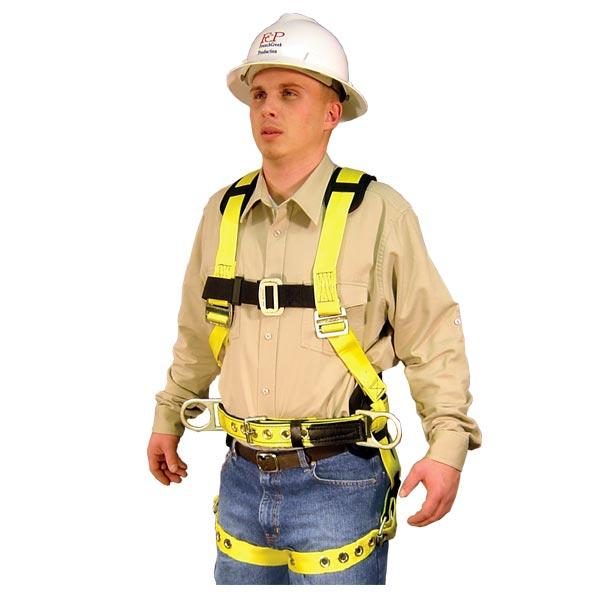
The Importance of Fall Protection Harnesses in Workplace Safety
Fall protection harnesses are a crucial piece of equipment when it comes to ensuring the safety of workers in various industries. Whether working at heights in construction, maintenance, or any other job that involves elevated positions, fall protection harnesses play a vital role in preventing accidents and saving lives.
These harnesses are designed to secure a worker to an anchor point, providing support and protection in the event of a fall. By distributing the force of impact across the body, fall protection harnesses help reduce the risk of serious injuries or fatalities that can occur from falls from height.
One of the key features of a fall protection harness is its durability and strength. Constructed from high-quality materials such as nylon webbing and metal components, these harnesses are built to withstand significant forces and provide reliable protection when it matters most.
Proper training on how to use a fall protection harness is essential for ensuring its effectiveness. Workers must be educated on how to properly fit and adjust the harness, connect it to anchor points securely, and inspect it for any signs of wear or damage before each use.
Employers have a legal responsibility to provide adequate fall protection equipment, including harnesses, as part of their duty to ensure workplace safety. By investing in quality fall protection harnesses and providing thorough training for employees, businesses can create a safer work environment and reduce the risk of accidents.
In conclusion, fall protection harnesses are an indispensable tool for protecting workers at height and preventing falls in the workplace. By prioritising safety measures such as using proper equipment like harnesses, employers can demonstrate their commitment to employee well-being and create a culture of safety within their organisation.
Essential FAQs on Fall Protection Harnesses: Understanding Usage, Components, and Regulations
- What is a fall protection harness?
- How does a fall protection harness work?
- When should a fall protection harness be used?
- What are the key components of a fall protection harness?
- How should a fall protection harness be properly fitted and adjusted?
- What are the legal requirements regarding fall protection harnesses in the workplace?
- How often should a fall protection harness be inspected for wear or damage?
- Are there different types of fall protection harnesses available for specific industries or tasks?
What is a fall protection harness?
A fall protection harness is a crucial safety device designed to protect workers who perform tasks at heights or in elevated positions. It is a wearable piece of equipment that secures the wearer to an anchor point, distributing the force of impact in the event of a fall to reduce the risk of serious injuries. Fall protection harnesses are typically made from durable materials such as nylon webbing and metal components, ensuring strength and reliability when used correctly. Proper training on how to fit, adjust, and inspect the harness is essential for its effectiveness, making it an essential tool in workplace safety for individuals working in industries where falls from height are a potential hazard.
How does a fall protection harness work?
A fall protection harness functions as a critical safety device designed to safeguard workers at height by preventing falls and minimizing the impact of any potential fall. When properly worn and secured, the harness distributes the force of a fall across the body, reducing the risk of serious injury. In the event of a fall, the harness attaches to an anchor point, allowing the worker to be suspended in a safe position until rescue. This ensures that the individual remains supported and protected while awaiting assistance. Regular inspection, correct fitting, and proper training on how to use a fall protection harness are essential for its effective operation in ensuring workplace safety.
When should a fall protection harness be used?
A fall protection harness should be used whenever there is a risk of falling from height in the workplace. Whether working on a construction site, performing maintenance tasks on elevated structures, or any other job that involves working at heights, wearing a fall protection harness is essential for ensuring worker safety. Employers should provide fall protection harnesses and require their use whenever employees are exposed to the potential hazards of falling. By wearing a fall protection harness correctly and connecting it to secure anchor points, workers can significantly reduce the risk of serious injuries or fatalities in the event of a fall. Proper training on when and how to use a fall protection harness is crucial to ensure its effectiveness and protect workers from harm.
What are the key components of a fall protection harness?
When considering the key components of a fall protection harness, it is essential to understand the critical elements that ensure its effectiveness in preventing falls and protecting workers at height. A typical fall protection harness consists of several key components, including shoulder straps, chest straps, waist belts, leg loops, buckles or connectors, and dorsal D-rings for attaching to anchor points. These components work together to distribute the force of impact across the body in the event of a fall, providing support and stability to the wearer. Properly fitting and adjusting these components is crucial for ensuring that the harness functions correctly and provides maximum protection for the user. Regular inspection and maintenance of these components are also important to identify any signs of wear or damage that could compromise the harness’s integrity and safety features.
How should a fall protection harness be properly fitted and adjusted?
When it comes to ensuring the effectiveness of a fall protection harness, proper fitting and adjustment are paramount. To correctly fit a fall protection harness, start by adjusting the straps to ensure a snug but comfortable fit around the shoulders, chest, and legs. The harness should sit securely on the body without being too tight or too loose. Make sure all buckles are fastened correctly and that excess straps are properly secured to prevent tripping hazards. Additionally, adjust the leg straps to prevent the risk of slipping out in case of a fall. Regularly inspect the harness for any signs of wear or damage, and replace it if necessary to maintain optimal safety standards. Proper training on fitting and adjusting fall protection harnesses is essential to ensure that workers can confidently use this vital safety equipment in their daily tasks at height.
What are the legal requirements regarding fall protection harnesses in the workplace?
When it comes to fall protection harnesses in the workplace, understanding the legal requirements is crucial for ensuring the safety of workers at height. Employers are obligated to adhere to strict regulations and guidelines set forth by health and safety authorities. In the UK, the Work at Height Regulations 2005 outline specific requirements for fall protection equipment, including harnesses. Employers must provide suitable harnesses that are properly maintained, inspected regularly, and used correctly by trained employees. Failure to comply with these legal obligations can result in serious consequences, including fines and legal action. By prioritising compliance with the legal requirements related to fall protection harnesses, employers can create a safer working environment and protect their employees from potential hazards.
How often should a fall protection harness be inspected for wear or damage?
Regular inspection of fall protection harnesses is essential to ensure their effectiveness and the safety of workers at height. According to industry guidelines and regulations, fall protection harnesses should be inspected before each use and at least annually by a competent person trained in harness inspection. Additionally, any time a harness is involved in a fall or subjected to unusual stress, it should be immediately removed from service and thoroughly inspected for wear or damage. By conducting regular inspections and promptly addressing any issues, employers can maintain the integrity of fall protection harnesses and uphold safety standards in the workplace.
Are there different types of fall protection harnesses available for specific industries or tasks?
Yes, there are different types of fall protection harnesses available to suit specific industries or tasks. Each industry may have unique safety requirements and challenges, leading to the development of specialised harness designs. For example, construction workers may require full-body harnesses with additional padding and support for long hours of wear, while window cleaners might benefit from harnesses with quick-release buckles for easy escape in emergencies. Industries such as oil and gas or telecommunications may need harnesses with specific attachment points and features to accommodate their work environments. It is essential to select the right type of fall protection harness that meets the needs and safety standards of the particular industry or task at hand to ensure optimal protection for workers at height.