
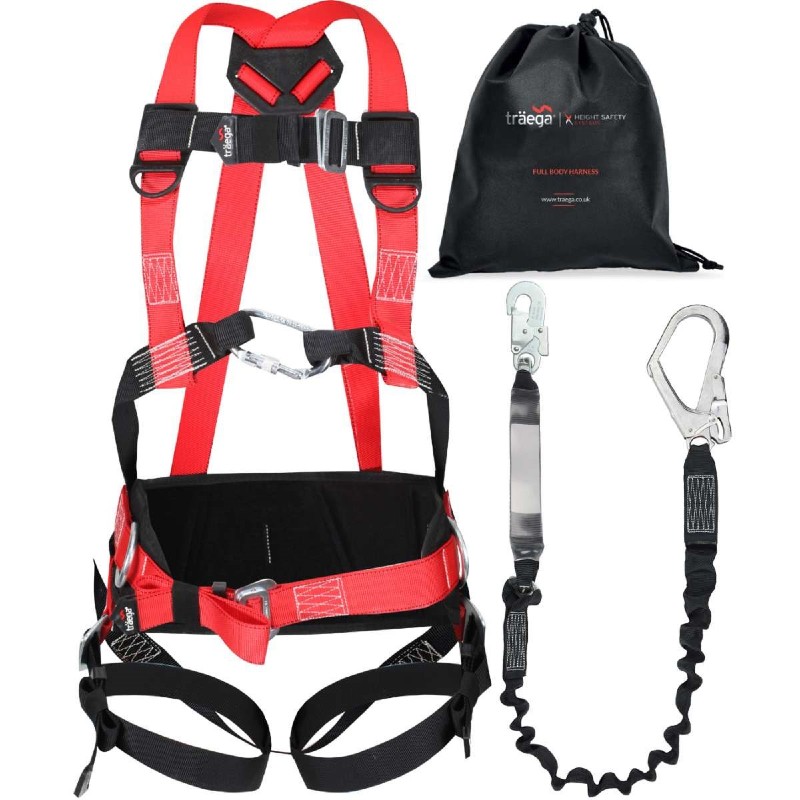
The Importance of Fall Protection Harness and Lanyard
When it comes to working at heights, ensuring the safety of workers is paramount. Fall protection harnesses and lanyards play a crucial role in preventing accidents and saving lives in such environments.
A fall protection harness is a piece of equipment worn by workers that distributes the force of a fall across the body, reducing the risk of injury. It typically consists of straps, buckles, and attachment points for connecting to a lanyard.
On the other hand, a lanyard is a flexible line that connects the harness to an anchor point. In the event of a fall, the lanyard absorbs the energy generated by the fall, preventing the worker from hitting the ground or other lower-level surfaces.
Together, the fall protection harness and lanyard form a vital part of a worker’s personal protective equipment (PPE) when working at heights. They provide not only physical protection but also peace of mind for workers who perform tasks such as construction work, maintenance, or window cleaning at elevated locations.
It is essential for employers to provide proper training on how to use fall protection harnesses and lanyards correctly. Workers should be educated on how to inspect their equipment before each use, how to properly fit and adjust their harnesses, and how to connect their lanyards securely to anchor points.
Regular maintenance and inspection of fall protection equipment are also crucial to ensure its effectiveness. Any signs of wear or damage should prompt immediate replacement to avoid compromising safety.
In conclusion, investing in high-quality fall protection harnesses and lanyards is not just a legal requirement but a moral obligation for employers. By prioritising worker safety through proper training, maintenance, and equipment provision, companies can create a safer working environment and prevent tragic accidents from occurring.
Essential Tips for Ensuring Safety with Fall Protection Harnesses and Lanyards
- Always inspect the harness and lanyard before each use for any signs of wear or damage.
- Ensure that the harness fits properly and is adjusted according to manufacturer’s instructions.
- Use a shock-absorbing lanyard to reduce the impact forces in case of a fall.
- Regularly train workers on how to properly wear, adjust, and use fall protection equipment.
- Follow all safety guidelines and regulations when working at heights to prevent accidents.
Always inspect the harness and lanyard before each use for any signs of wear or damage.
Before each use, it is crucial to inspect the fall protection harness and lanyard for any signs of wear or damage. This simple yet essential tip can help ensure that the equipment is in optimal condition to provide maximum safety in case of a fall. By taking the time to carefully examine the harness and lanyard before each use, workers can identify any potential issues and address them promptly, reducing the risk of accidents and injuries while working at heights.
Ensure that the harness fits properly and is adjusted according to manufacturer’s instructions.
It is crucial to ensure that the fall protection harness fits properly and is adjusted according to the manufacturer’s instructions. A well-fitted harness not only enhances comfort for the wearer but also plays a vital role in its effectiveness during a fall. Following the manufacturer’s guidelines for adjustment ensures that the harness functions as intended, distributing forces evenly across the body in case of a fall. By taking the time to properly fit and adjust the harness, workers can significantly reduce their risk of injury and stay safe while working at heights.
Use a shock-absorbing lanyard to reduce the impact forces in case of a fall.
Using a shock-absorbing lanyard is a crucial tip to enhance safety when working at heights with fall protection harnesses. The shock-absorbing feature of the lanyard helps to reduce the impact forces on the body in the event of a fall, minimising the risk of serious injuries. By incorporating a shock-absorbing lanyard into their safety gear, workers can have an added layer of protection that enhances their overall safety and well-being while performing tasks at elevated locations.
Regularly train workers on how to properly wear, adjust, and use fall protection equipment.
It is crucial to regularly train workers on the correct procedures for wearing, adjusting, and using fall protection equipment such as harnesses and lanyards. Proper training ensures that workers understand how to effectively utilize their protective gear, reducing the risk of accidents and injuries when working at heights. By providing ongoing training sessions, employers can reinforce safety protocols, promote best practices, and empower workers to confidently navigate hazardous environments while prioritising their well-being.
Follow all safety guidelines and regulations when working at heights to prevent accidents.
It is crucial to adhere to all safety guidelines and regulations when working at heights to prevent accidents. This includes wearing and correctly using fall protection harnesses and lanyards as recommended. By following these guidelines, workers can significantly reduce the risk of falls and ensure their safety while carrying out tasks at elevated locations. Prioritising safety measures not only protects individuals from harm but also promotes a culture of responsibility and awareness in the workplace, ultimately contributing to a safer working environment for all.