
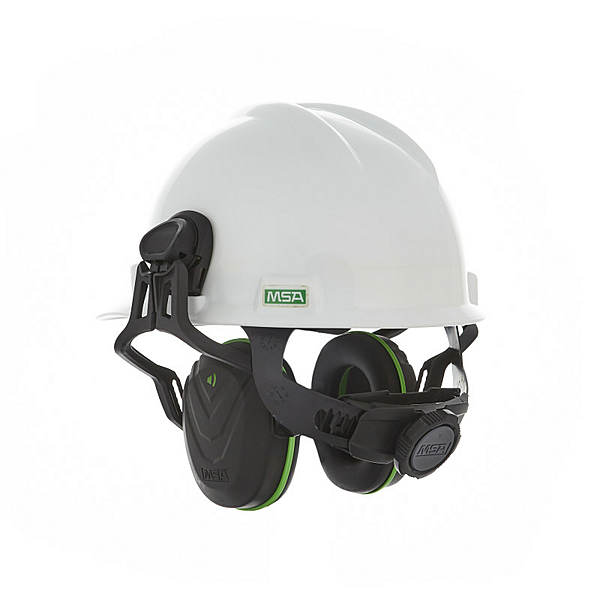
The Importance of Ear Protection for Helmets
When it comes to helmet safety, most people focus on protecting the head from impact. However, another crucial aspect of helmet safety that often gets overlooked is ear protection.
Exposure to loud noises while riding a motorcycle or participating in other high-speed activities can cause irreversible damage to your hearing. The wind noise alone can reach levels that are harmful to your ears over time.
That’s where ear protection for helmets comes into play. By wearing specially designed earplugs or earmuffs under your helmet, you can significantly reduce the amount of noise that reaches your ears, thus protecting your hearing.
Not only does ear protection help prevent hearing loss, but it can also enhance your overall riding experience. By reducing wind noise and other distracting sounds, you can focus better on the road ahead and enjoy a more comfortable ride.
There are various types of ear protection available for helmets, ranging from disposable foam earplugs to custom-moulded earplugs and high-tech electronic earmuffs. It’s essential to choose the right type of ear protection based on your needs and preferences.
Remember, when it comes to helmet safety, protecting your head is just one piece of the puzzle. Don’t forget to safeguard your hearing as well by investing in quality ear protection for your helmet.
Essential FAQs on Ear Protection for Helmet Users: Ensuring Safety and Comfort
- 1. Why is ear protection important when wearing a helmet?
- 2. What types of ear protection are suitable for helmets?
- 3. How do I know if my helmet provides enough ear protection?
- 4. Can I wear regular earplugs under my helmet for noise reduction?
- 5. Are there specific earmuffs designed to fit under helmets?
- 6. How often should I replace the ear protection in my helmet?
- 7. Do different activities require different types of ear protection for helmets?
- 8. Are there any safety standards or regulations regarding ear protection in helmets?
1. Why is ear protection important when wearing a helmet?
Ear protection is crucial when wearing a helmet due to the potential risk of hearing damage caused by exposure to loud noises while engaging in activities such as riding a motorcycle or cycling. The wind noise generated at high speeds can reach levels that are harmful to the ears over time. By wearing ear protection, such as earplugs or earmuffs specifically designed for helmets, individuals can effectively reduce the amount of noise reaching their ears, thus safeguarding their hearing health. In addition to preventing hearing loss, ear protection can also enhance comfort and focus during activities by reducing distracting sounds. Prioritising ear protection alongside helmet safety measures is essential for overall well-being and safety while engaging in high-speed pursuits.
2. What types of ear protection are suitable for helmets?
When considering ear protection for helmets, it’s essential to explore the various types of options available. Suitable ear protection for helmets can include disposable foam earplugs, custom-moulded earplugs, and high-tech electronic earmuffs. Each type offers different levels of noise reduction and comfort, allowing individuals to choose based on their specific needs and preferences. It’s crucial to select ear protection that fits comfortably under your helmet and effectively reduces noise exposure while providing a secure fit for optimal safety and hearing protection during activities such as motorcycle riding or other high-speed sports.
3. How do I know if my helmet provides enough ear protection?
When determining if your helmet offers adequate ear protection, there are a few key factors to consider. Firstly, check if the helmet fits securely and covers your ears completely without any gaps. Properly fitting helmets can help block out external noise effectively. Additionally, look for helmets with built-in ear pockets or padding designed to reduce noise transmission. You can also test the helmet in different riding conditions to see how well it minimises wind noise around your ears. Ultimately, ensuring that your helmet provides a snug fit and features elements specifically aimed at reducing noise can help determine if it offers sufficient ear protection.
4. Can I wear regular earplugs under my helmet for noise reduction?
When it comes to reducing noise while wearing a helmet, many individuals wonder if they can simply wear regular earplugs underneath. The answer is yes, you can wear regular earplugs under your helmet for noise reduction. However, it is important to choose earplugs that are comfortable and fit securely without causing discomfort when wearing your helmet. Opt for soft foam or silicone earplugs that provide a good seal to effectively reduce noise levels and protect your hearing while enjoying your activities.
5. Are there specific earmuffs designed to fit under helmets?
Yes, there are specific earmuffs designed to fit comfortably under helmets. These earmuffs are typically low-profile and have a slim design to ensure a snug and secure fit without compromising the helmet’s effectiveness. They are specifically crafted to be worn with helmets, providing both ear protection and helmet safety simultaneously. These specialised earmuffs come in various sizes and styles to cater to different helmet types and user preferences, offering a practical solution for those seeking optimal ear protection while wearing a helmet during high-speed activities.
6. How often should I replace the ear protection in my helmet?
When it comes to the ear protection in your helmet, a common question that arises is, “How often should I replace it?” The frequency of replacing ear protection in your helmet depends on several factors, including the type of ear protection you use, how frequently you ride or engage in high-noise activities, and the overall condition of the ear protection. As a general guideline, disposable foam earplugs should be replaced after each use, while reusable earplugs or earmuffs may need to be replaced every few months or when they show signs of wear and tear. Regularly inspecting and replacing worn-out or damaged ear protection is essential to ensure optimal performance and protection for your ears while wearing a helmet.
7. Do different activities require different types of ear protection for helmets?
When considering ear protection for helmets, it is important to understand that different activities may indeed require different types of ear protection. The level and type of noise exposure can vary depending on the activity – whether it’s riding a motorcycle, cycling, skiing, or participating in motorsports. For example, motorcycle riders may need earplugs that can reduce wind noise effectively, while those engaging in motorsports might require earmuffs that offer both noise reduction and communication capabilities. Choosing the right type of ear protection tailored to the specific activity can ensure optimal comfort, safety, and hearing protection for individuals in various pursuits.
8. Are there any safety standards or regulations regarding ear protection in helmets?
When it comes to ear protection in helmets, there are no specific safety standards or regulations that mandate the use of ear protection. However, it is widely recognised that protecting one’s hearing while engaging in high-speed activities is crucial for overall safety and well-being. While helmet standards often focus on impact protection, considering the importance of hearing protection is a proactive step towards ensuring comprehensive safety while riding or participating in similar activities. It is recommended to choose ear protection that meets industry standards for noise reduction and comfort to safeguard your hearing effectively.