
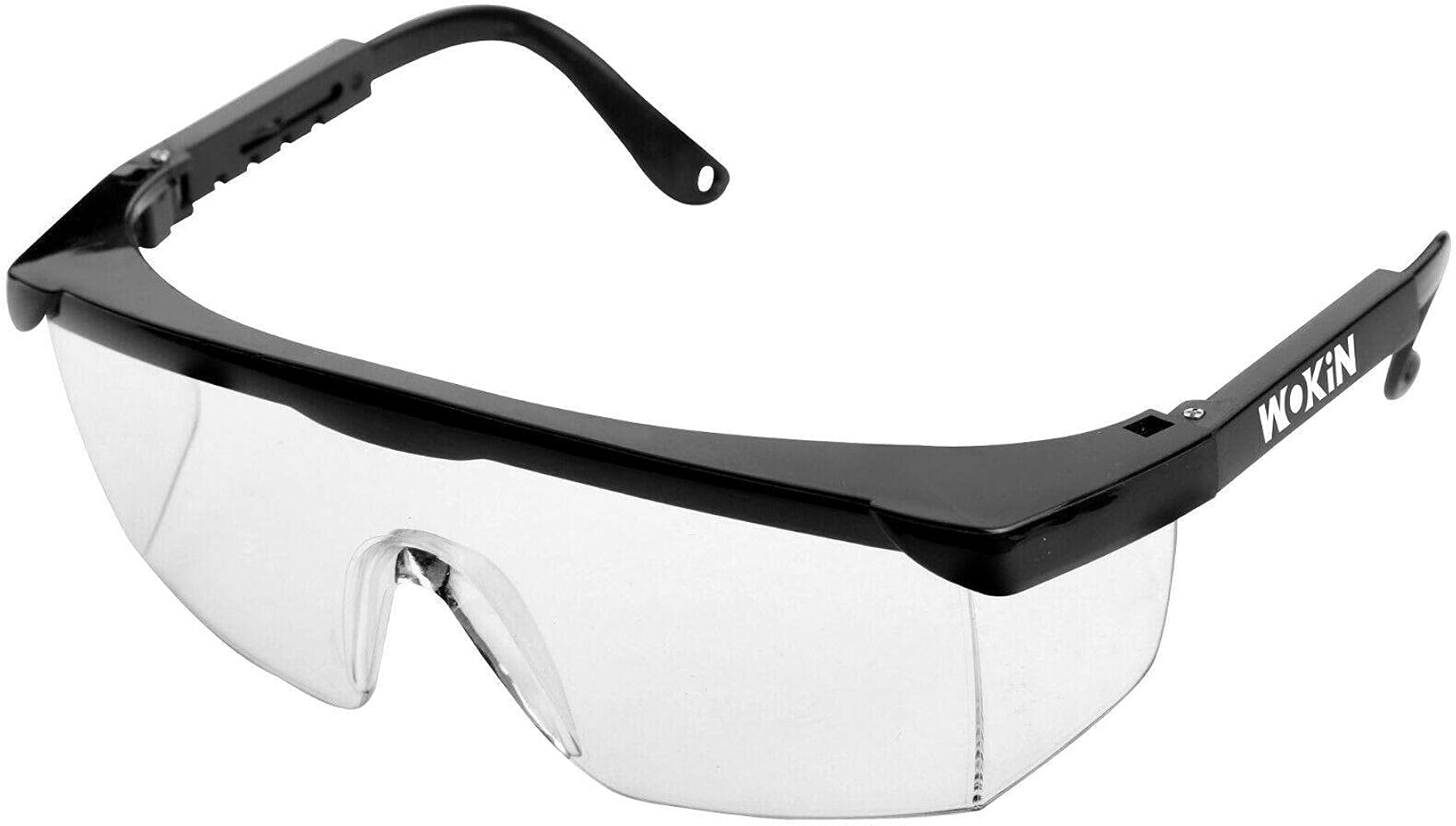
Goggles to Protect Eyes from Dust
Dust can be a common hazard in many environments, whether it’s at a construction site, woodworking shop, or even just doing yard work. One of the most effective ways to protect your eyes from dust particles is by wearing goggles specifically designed for this purpose.
Protective goggles create a barrier between your eyes and airborne dust, preventing irritation, discomfort, and potential eye injuries. The snug fit of goggles helps to seal out dust effectively, keeping your eyes safe and clear while you work.
When choosing goggles for dust protection, look for features such as anti-fog coatings, adjustable straps for a secure fit, and ventilation to prevent fogging up during use. It’s essential to select goggles that meet safety standards and provide adequate coverage around the eyes.
Whether you’re working on a DIY project at home or in a professional setting where dust is prevalent, wearing goggles should be a non-negotiable safety practice. Your eyes are precious and deserve the best protection against potential harm from dust particles.
Stay safe, stay protected – invest in quality goggles to safeguard your eyes from dust!
Top 6 Benefits of Goggles for Dust Protection: Ensuring Eye Safety and Comfort
- Effective barrier against airborne dust particles
- Prevents eye irritation and discomfort caused by dust
- Reduces the risk of potential eye injuries from dust impact
- Snug fit provides a secure seal to keep out dust effectively
- Some goggles come with anti-fog coatings for clear vision
- Adjustable straps and ventilation enhance comfort and usability
Drawbacks of Dust-Protective Goggles: Comfort, Visibility, and Durability Concerns
- Goggles may fog up, reducing visibility and causing discomfort.
- Some goggles may not provide a comfortable fit for all face shapes and sizes.
- Prolonged use of goggles can lead to pressure marks or discomfort around the eyes.
- Goggles with poor ventilation may cause heat build-up and sweating around the eyes.
- In certain work environments, goggles can limit peripheral vision, affecting overall situational awareness.
- Low-quality goggles may scratch easily, compromising their effectiveness over time.
- Some people find wearing goggles cumbersome and inconvenient, especially for extended periods.
Effective barrier against airborne dust particles
Goggles designed to protect the eyes from dust offer an effective barrier against airborne particles, shielding the eyes from potential harm and irritation. By creating a secure seal around the eyes, these goggles prevent dust from entering and causing discomfort or injury. This feature ensures that individuals working in dusty environments can carry out their tasks with confidence, knowing that their eyes are well-protected from harmful airborne debris. The ability of these goggles to act as a reliable barrier against dust particles highlights their importance in maintaining eye health and safety in various settings.
Prevents eye irritation and discomfort caused by dust
Wearing goggles specifically designed to protect the eyes from dust serves as a crucial preventive measure against eye irritation and discomfort. By creating a barrier between the eyes and airborne dust particles, these goggles effectively shield the delicate eye tissues from potential irritation, reducing the risk of discomfort and inflammation. This proactive approach not only ensures greater comfort during tasks in dusty environments but also promotes long-term eye health by minimising exposure to irritants that can lead to more serious issues. Prioritising eye protection through the use of goggles is a simple yet effective way to maintain optimal eye comfort and well-being in dusty conditions.
Reduces the risk of potential eye injuries from dust impact
Wearing goggles to protect eyes from dust significantly reduces the risk of potential eye injuries caused by dust impact. Dust particles can be abrasive and harmful when they come into contact with the eyes, leading to irritation, discomfort, and even more severe injuries. By providing a protective barrier, goggles effectively shield the eyes from dust impact, ensuring a safer working environment and minimising the chances of eye-related accidents or injuries. Prioritising eye protection through the use of goggles is a proactive measure that promotes safety and well-being in various settings where dust exposure is prevalent.
Snug fit provides a secure seal to keep out dust effectively
The snug fit of goggles offers a secure seal that effectively keeps out dust, providing a crucial protective barrier for the eyes. By creating a tight seal around the eyes, goggles prevent dust particles from entering and causing irritation or potential harm. This feature ensures that the eyes remain clear and safe from dust-related hazards, making snug-fitting goggles an essential tool for maintaining eye health and safety in environments where dust exposure is a concern.
Some goggles come with anti-fog coatings for clear vision
Goggles that are equipped with anti-fog coatings offer a significant advantage when it comes to protecting eyes from dust. These coatings help maintain clear vision by preventing fogging up of the lenses, even in humid or sweaty conditions. By ensuring that the goggles remain mist-free, the anti-fog feature enhances visibility and minimises distractions, allowing users to focus on their tasks without compromising on eye protection. This added benefit of clear vision makes anti-fog goggles an excellent choice for individuals working in dusty environments where maintaining visual clarity is crucial for safety and efficiency.
Adjustable straps and ventilation enhance comfort and usability
Adjustable straps and ventilation are key features that greatly enhance the comfort and usability of goggles designed to protect eyes from dust. The ability to adjust the straps ensures a secure and customized fit, preventing the goggles from slipping or causing discomfort during use. Additionally, ventilation helps to prevent fogging, maintaining clear visibility and ensuring uninterrupted work. These features not only improve the overall user experience but also promote safety by encouraging consistent and comfortable wear of protective eyewear in dusty environments.
Goggles may fog up, reducing visibility and causing discomfort.
One significant drawback of using goggles to protect eyes from dust is the potential for fogging up, which can lead to reduced visibility and discomfort. When goggles fog up, it hinders the wearer’s ability to see clearly, making tasks more challenging and potentially hazardous. Additionally, the moisture buildup inside the goggles can cause discomfort and distraction, affecting overall work efficiency. Managing fogging issues with anti-fog coatings or proper ventilation becomes crucial to ensure that eye protection remains effective without compromising visibility and comfort.
Some goggles may not provide a comfortable fit for all face shapes and sizes.
It is important to note that some goggles designed to protect eyes from dust may not offer a comfortable fit for individuals with varying face shapes and sizes. This lack of universal fit can lead to discomfort and potential gaps that compromise the effectiveness of the eye protection. It is crucial for users to carefully select goggles that not only meet safety standards but also provide a secure and comfortable fit to ensure optimal protection against dust particles.
Prolonged use of goggles can lead to pressure marks or discomfort around the eyes.
Prolonged use of goggles intended to protect the eyes from dust may result in pressure marks or discomfort around the eyes. While goggles are essential for eye safety in dusty environments, extended wear can sometimes cause irritation due to the tight fit required for effective protection. It is important to take breaks and adjust the fit of the goggles periodically to alleviate any discomfort and ensure both eye safety and wearer comfort are maintained.
Goggles with poor ventilation may cause heat build-up and sweating around the eyes.
When it comes to using goggles to protect eyes from dust, one significant downside to be aware of is the potential for heat build-up and sweating around the eyes, especially with goggles that have poor ventilation. Inadequate airflow can lead to discomfort and fogging of the lenses, impairing visibility and causing inconvenience during work. It’s essential to choose goggles with proper ventilation features to ensure comfort and prevent excessive sweating, allowing for extended wear without compromising safety and effectiveness in shielding the eyes from dust particles.
In certain work environments, goggles can limit peripheral vision, affecting overall situational awareness.
In certain work environments, one notable drawback of wearing goggles to protect eyes from dust is that they can restrict peripheral vision, potentially impacting overall situational awareness. This limitation could pose challenges in scenarios where workers need to be aware of their surroundings at all times to ensure safety and efficiency. While goggles are crucial for eye protection, finding a balance between safeguarding the eyes and maintaining adequate peripheral vision is essential in work settings where situational awareness is paramount. Employers and workers should consider this con when selecting appropriate eye protection gear to address both safety and operational needs effectively.
Low-quality goggles may scratch easily, compromising their effectiveness over time.
Low-quality goggles designed to protect eyes from dust may present a significant drawback in that they are prone to scratching easily. This susceptibility to damage can compromise their effectiveness over time, as scratches on the lenses can obstruct vision and reduce the level of protection provided. Investing in high-quality goggles with durable materials and scratch-resistant coatings is essential to ensure long-lasting and reliable eye protection against dust particles.
Some people find wearing goggles cumbersome and inconvenient, especially for extended periods.
For some individuals, wearing goggles to protect their eyes from dust can be perceived as cumbersome and inconvenient, particularly when worn for extended periods. The discomfort and restriction caused by goggles may deter some people from consistent use, leading to potential exposure to dust particles and associated risks. Finding comfortable and well-fitted goggles that allow for prolonged wear without causing discomfort is essential to ensure effective eye protection in environments where dust exposure is a concern. Balancing comfort with safety measures is crucial in addressing this con of using goggles for eye protection against dust.