
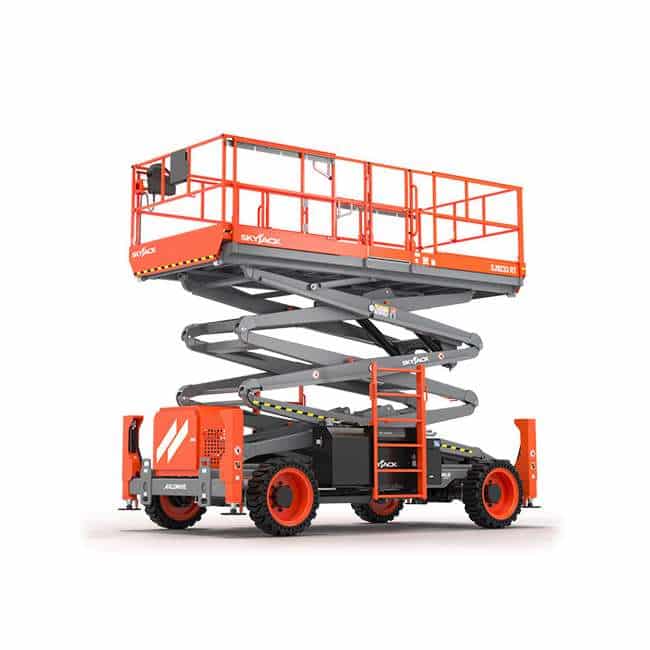
The Importance of Using a Harness with a Scissor Lift
Scissor lifts are commonly used in various industries for tasks that require working at heights. While scissor lifts provide a stable platform for workers to perform their duties, it is essential to ensure that all safety precautions are followed, including the use of harnesses.
A harness is a crucial piece of personal protective equipment (PPE) that can prevent falls and minimise the risk of serious injuries or fatalities when working on a scissor lift. In the event of an unexpected jolt or tip-over, a harness can save a worker’s life by keeping them securely attached to the lift.
When using a scissor lift, it is important to wear a properly fitted harness and ensure that it is securely connected to the designated anchor points on the lift. Workers should also receive training on how to properly wear and adjust their harnesses to maximise safety while working at heights.
Employers have a legal obligation to provide appropriate safety equipment, including harnesses, and ensure that workers are trained in their correct usage. By prioritising safety and enforcing the use of harnesses with scissor lifts, employers can create a safer work environment and prevent accidents from occurring.
Remember, when working at heights on a scissor lift, always wear your harness and follow all safety guidelines. Your life may depend on it.
Essential Safety Tips for Proper Use of Harnesses on Scissor Lifts
- Always inspect the harness before use for any damage or wear.
- Ensure the harness fits snugly and comfortably on the user.
- Check that all buckles and straps are properly secured.
- Attach the harness to a suitable anchor point on the scissor lift platform.
- Avoid loose clothing or items that could get caught in the harness or machinery.
- Regularly check and maintain the harness according to manufacturer’s guidelines.
- Provide training on proper harness usage and safety procedures.
- Do not modify or alter the harness in any way that could compromise its safety features.
- Replace any harness that shows signs of damage or wear.
Always inspect the harness before use for any damage or wear.
Before using a harness with a scissor lift, it is crucial to conduct a thorough inspection to check for any signs of damage or wear. Inspecting the harness ensures that it is in good condition and can effectively protect the worker in case of a fall. By taking the time to examine the harness before each use, potential safety hazards can be identified and addressed promptly, reducing the risk of accidents and injuries while working at heights. Remember, safety should always be the top priority when operating a scissor lift, and inspecting the harness is an essential step in ensuring a safe working environment.
Ensure the harness fits snugly and comfortably on the user.
It is crucial to ensure that the harness fits snugly and comfortably on the user when using a scissor lift. A properly fitted harness not only enhances safety but also ensures that the user can work effectively and without discomfort. A loose or ill-fitting harness may compromise its effectiveness in the event of a fall, so taking the time to adjust and secure the harness correctly is essential for maximising safety while working at heights on a scissor lift.
Check that all buckles and straps are properly secured.
It is crucial to ensure that all buckles and straps on your harness are securely fastened before using a scissor lift. Checking that each buckle is properly secured and all straps are tightened can prevent accidents and ensure your safety while working at heights. Taking the time to verify the integrity of your harness before starting work is a simple yet effective way to minimise risks and maintain a secure connection to the scissor lift platform throughout your tasks.
Attach the harness to a suitable anchor point on the scissor lift platform.
When using a harness with a scissor lift, it is crucial to attach the harness to a suitable anchor point on the scissor lift platform. This ensures that the harness functions effectively in the event of a fall or tip-over, providing vital protection for the worker. By securing the harness to a designated anchor point, workers can work confidently at heights knowing that they have taken an essential safety measure to prevent accidents and injuries.
Avoid loose clothing or items that could get caught in the harness or machinery.
It is crucial to avoid wearing loose clothing or carrying items that could potentially get caught in the harness or machinery when using a scissor lift. Loose clothing or dangling items pose a significant safety risk as they can become entangled in the equipment, leading to accidents or injuries. By ensuring that clothing is properly fitted and free from any loose ends, workers can minimise the risk of entanglement and work more safely and efficiently while using a harness on a scissor lift.
Regularly check and maintain the harness according to manufacturer’s guidelines.
It is crucial to ensure the safety and effectiveness of a harness used with a scissor lift by regularly checking and maintaining it in accordance with the manufacturer’s guidelines. By following the recommended maintenance procedures, such as inspecting for wear and tear, checking connections, and verifying proper functionality, workers can trust that their harness is in optimal condition to provide the necessary protection in case of an emergency. Regular maintenance not only enhances safety but also prolongs the lifespan of the harness, contributing to a safer working environment overall.
Provide training on proper harness usage and safety procedures.
It is crucial to provide comprehensive training on the correct usage of harnesses and safety procedures when working with a scissor lift. Proper training ensures that workers understand how to wear and adjust their harnesses correctly, as well as how to connect them securely to anchor points on the lift. By imparting this essential knowledge, employers can empower their workers to work safely at heights and minimise the risk of accidents or injuries. Training on harness usage is a key element in creating a culture of safety and ensuring that all workers are equipped with the skills they need to protect themselves while operating scissor lifts.
Do not modify or alter the harness in any way that could compromise its safety features.
It is crucial to adhere to the tip of not modifying or altering the harness used with a scissor lift in any way that could jeopardise its safety features. Harnesses are designed and tested to meet specific safety standards, and any modifications can compromise their effectiveness in preventing falls and protecting workers. By maintaining the integrity of the harness and using it as intended, individuals can ensure their safety while working at heights on a scissor lift.
Replace any harness that shows signs of damage or wear.
It is crucial to regularly inspect and replace any harness that displays signs of damage or wear when using a scissor lift. A damaged harness may compromise the safety of the worker by failing to provide adequate protection in the event of a fall. By promptly replacing worn or damaged harnesses, employers can ensure that their workers are equipped with reliable safety equipment to minimise risks and maintain a safe working environment at all times.