
The Dangers of Carbon Monoxide Chirping
Carbon monoxide (CO) is a silent killer that can pose a serious threat to your health and safety. Unlike other gases, CO is odourless, tasteless, and invisible, making it difficult to detect without the proper equipment.
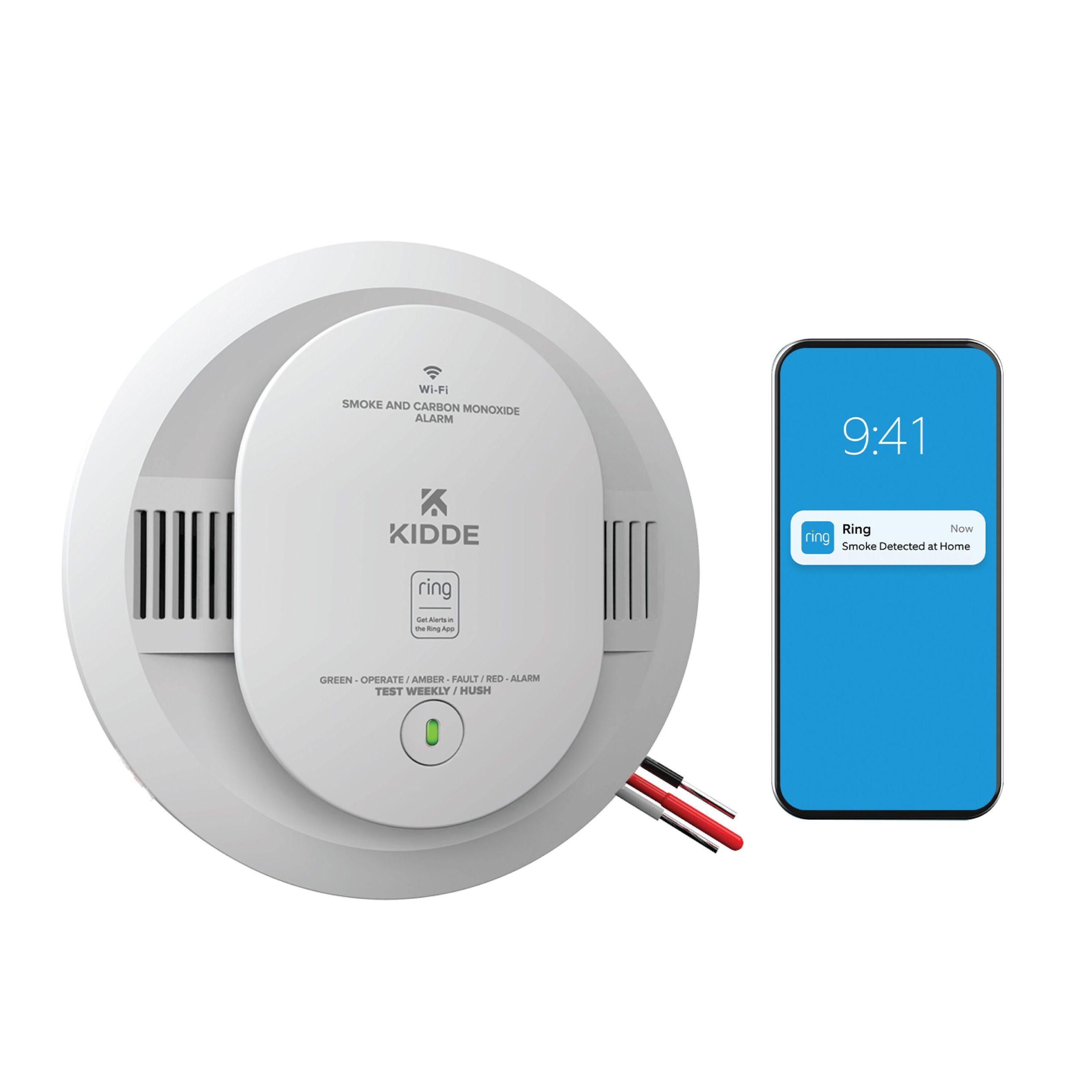
One common warning sign of a potential carbon monoxide leak is the chirping sound emitted by carbon monoxide detectors. When your CO detector starts chirping, it’s crucial not to ignore it or simply replace the batteries. Chirping can indicate that your detector has detected elevated levels of CO in the air, signalling a potentially dangerous situation.
Carbon monoxide poisoning can lead to symptoms such as headaches, dizziness, nausea, confusion, and even death in severe cases. It is essential to take immediate action if your CO detector is chirping:
- Evacuate the premises: If your CO detector is chirping, leave the building immediately and get to fresh air.
- Call for help: Contact emergency services or a qualified professional to inspect and address the source of the carbon monoxide leak.
- Do not re-enter: Do not re-enter the building until it has been deemed safe by authorities or professionals.
- Install multiple detectors: To enhance safety, consider installing multiple carbon monoxide detectors throughout your property.
- Regular maintenance: Ensure that your CO detectors are regularly tested and maintained according to manufacturer instructions.
Remember that carbon monoxide poisoning can be prevented with proper awareness and precautions. Stay vigilant for warning signs like chirping detectors and take immediate action to protect yourself and your loved ones from this silent threat.
9 Essential Tips to Safeguard Your Home from Carbon Monoxide Risks
- Install carbon monoxide alarms in your home.
- Test your carbon monoxide alarms regularly.
- Replace the batteries in your carbon monoxide alarms annually.
- Ensure proper ventilation in areas with fuel-burning appliances.
- Have fuel-burning appliances serviced annually by a qualified technician.
- Never ignore a chirping carbon monoxide alarm – investigate immediately.
- If a carbon monoxide alarm sounds, evacuate the premises and call emergency services.
- Educate yourself and your family about the dangers of carbon monoxide poisoning.
- Consider installing interconnected carbon monoxide alarms for better coverage.
Install carbon monoxide alarms in your home.
Installing carbon monoxide alarms in your home is a crucial step towards safeguarding your family’s health and safety. These alarms are designed to detect the presence of carbon monoxide, a deadly gas that can be produced by faulty appliances or inadequate ventilation. By having carbon monoxide alarms strategically placed in your living spaces, you can receive early warnings of any potential leaks and take prompt action to prevent harm. Remember, prevention is key when it comes to carbon monoxide poisoning, and installing these alarms could make all the difference in keeping your loved ones protected.
Test your carbon monoxide alarms regularly.
It is crucial to test your carbon monoxide alarms regularly to ensure they are functioning effectively. By testing your CO alarms on a routine basis, you can verify that they will alert you promptly in the event of a carbon monoxide leak. Make it a habit to test your alarms at least once a month by pressing the test button and listening for the alarm sound. Regular testing can provide peace of mind and help keep you and your loved ones safe from the dangers of carbon monoxide poisoning.
Replace the batteries in your carbon monoxide alarms annually.
It is crucial to replace the batteries in your carbon monoxide alarms annually to ensure their effectiveness in detecting this silent killer. By maintaining fresh batteries, you can be confident that your CO alarms will continue to function properly and alert you to any dangerous levels of carbon monoxide in your home. Regular battery replacement is a simple yet essential step in safeguarding yourself and your family from the potential risks of CO poisoning.
Ensure proper ventilation in areas with fuel-burning appliances.
To prevent the dangers associated with carbon monoxide chirping, it is crucial to ensure proper ventilation in areas where fuel-burning appliances are used. Adequate ventilation helps to disperse any CO emissions produced by appliances such as gas stoves, heaters, and boilers, reducing the risk of a build-up of this harmful gas. By allowing fresh air to circulate effectively, you can help maintain a safe environment and minimise the chances of carbon monoxide poisoning. Remember, good ventilation is a key factor in keeping your home or workplace safe from the silent threat of CO leaks.
Have fuel-burning appliances serviced annually by a qualified technician.
It is essential to have fuel-burning appliances serviced annually by a qualified technician to ensure their proper functioning and safety. Regular maintenance by a professional can help identify any potential issues, including carbon monoxide leaks, before they escalate into dangerous situations. By following this tip, you can proactively safeguard your home and family against the risks associated with carbon monoxide exposure. Prioritising annual servicing not only enhances the efficiency of your appliances but also provides peace of mind knowing that they are operating safely.
Never ignore a chirping carbon monoxide alarm – investigate immediately.
It is crucial never to ignore a chirping carbon monoxide alarm – investigate immediately. When your carbon monoxide alarm starts chirping, it could be indicating a potentially dangerous presence of CO in the air. Ignoring this warning sign can put you and your loved ones at risk of carbon monoxide poisoning, which can have serious health implications. Always take any chirping alarm seriously, evacuate the premises, and seek professional assistance to address the source of the issue promptly. Your quick action could save lives and prevent harm caused by this silent but deadly gas.
If a carbon monoxide alarm sounds, evacuate the premises and call emergency services.
In the event that a carbon monoxide alarm sounds, it is crucial to take immediate action to ensure your safety and well-being. If you hear your carbon monoxide alarm going off, evacuate the premises without hesitation and contact emergency services right away. Carbon monoxide poisoning can be life-threatening, so swift evacuation and prompt professional assistance are essential to mitigate the risks associated with this silent but deadly gas. Prioritising your safety and that of others by following this advice can make a significant difference in preventing serious harm or even fatalities caused by carbon monoxide exposure.
Educate yourself and your family about the dangers of carbon monoxide poisoning.
It is crucial to educate yourself and your family about the dangers of carbon monoxide poisoning, especially when it comes to recognising warning signs such as chirping carbon monoxide detectors. By understanding the risks associated with CO exposure and knowing how to respond in case of an emergency, you can take proactive steps to safeguard your household’s health and safety. Regular discussions about carbon monoxide safety, along with proper training on what to do if a CO detector chirps, can help ensure that everyone in your family is well-prepared and informed about this silent threat.
Consider installing interconnected carbon monoxide alarms for better coverage.
Consider installing interconnected carbon monoxide alarms for better coverage in your home. Interconnected alarms are designed to communicate with each other, so when one alarm detects carbon monoxide, all alarms in the network will sound simultaneously. This feature ensures that everyone in your household is alerted to the presence of CO, providing increased safety and peace of mind. By investing in interconnected alarms, you can create a more robust detection system that offers comprehensive coverage and early warning in the event of a carbon monoxide leak.