
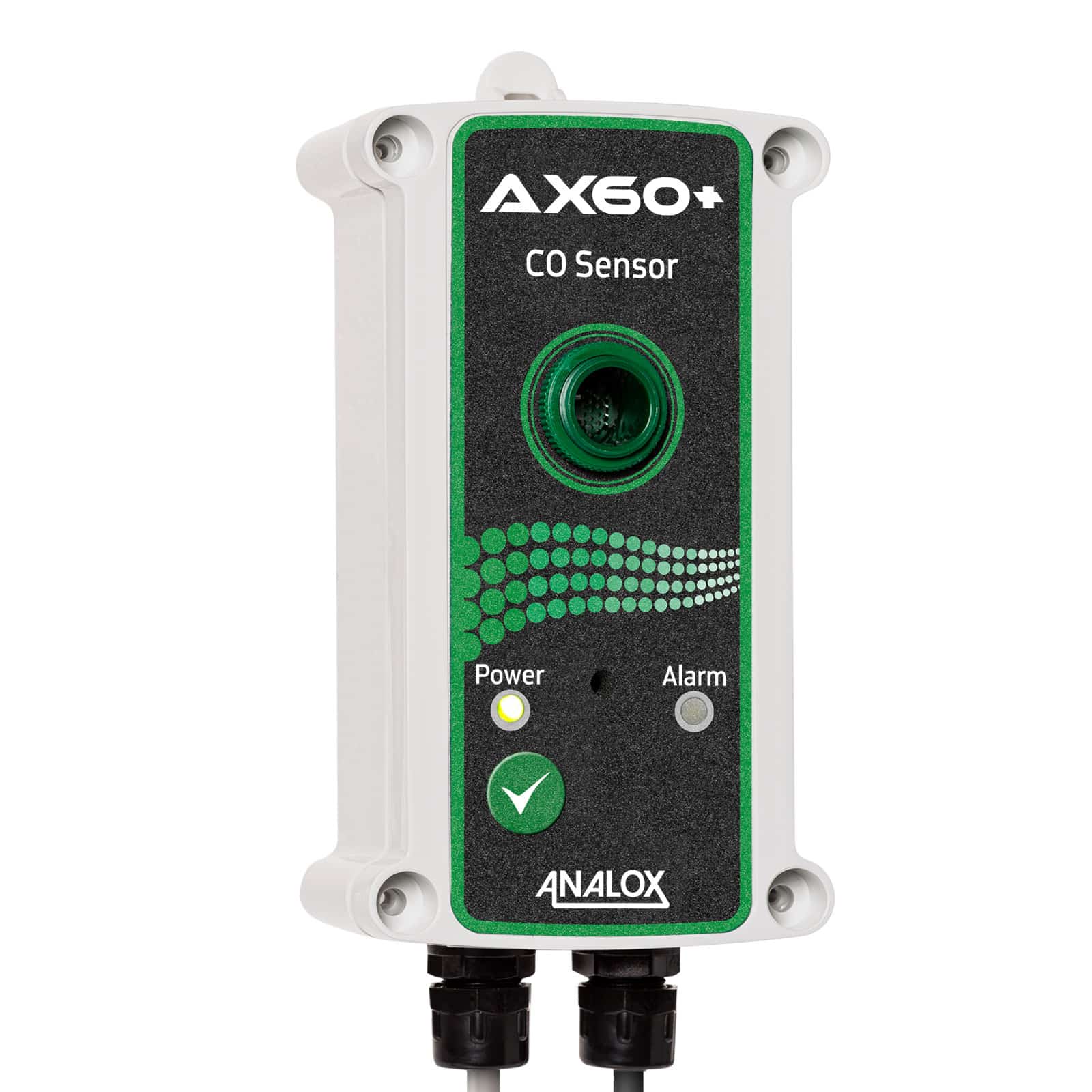
The Importance of a CO and CO2 Detector in Your Home
Carbon monoxide (CO) and carbon dioxide (CO2) are invisible, odourless gases that can pose serious health risks if present in high concentrations. A CO and CO2 detector is an essential device for every home to ensure the safety of its occupants.
CO is produced by the incomplete combustion of fuels such as gas, oil, wood, and coal. It can be emitted by gas appliances, heaters, fireplaces, and vehicles. High levels of CO can lead to symptoms like headaches, dizziness, nausea, and even death. A CO detector can alert you to the presence of this dangerous gas so that you can take immediate action to ventilate the area and prevent harm.
On the other hand, CO2 is a natural by-product of human respiration and combustion processes. While low levels of CO2 are harmless, high concentrations can cause drowsiness, headaches, and impaired cognitive function. In poorly ventilated spaces, such as bedrooms or closed-off rooms with limited airflow, CO2 levels can rise to unhealthy levels. A CO2 detector helps monitor these levels and provides a warning when they become elevated.
By installing a CO and CO2 detector in your home, you are taking a proactive step towards safeguarding your family’s health and well-being. These devices provide peace of mind by continuously monitoring air quality and alerting you to any potential dangers.
Remember to place detectors in key areas of your home where gas appliances are present or where ventilation may be limited. Regularly test the detectors to ensure they are functioning correctly and replace batteries as needed.
Investing in a reliable CO and CO2 detector is a small price to pay for the safety it provides. Prioritise the health of your loved ones by making this simple yet crucial addition to your home today.
Essential Tips for Ensuring Safety with CO and CO2 Detectors in Your Home
- Install a CO CO2 detector near sleeping areas.
- Make sure to test your detector regularly according to the manufacturer’s instructions.
- Replace the batteries in your CO CO2 detector at least once a year.
- Avoid placing the detector near windows, doors, or vents where drafts could affect its performance.
- Keep the detector away from sources of heat or steam, such as kitchens or bathrooms.
- If your CO CO2 detector goes off, evacuate the premises immediately and call emergency services.
- Consider installing multiple detectors throughout your home for added safety.
- Educate all household members on the importance of carbon monoxide and dioxide safety.
- Have a professional inspect your heating system annually to prevent potential leaks.
Install a CO CO2 detector near sleeping areas.
To enhance the safety of your household, it is recommended to install a CO and CO2 detector near sleeping areas. Placing the detector in close proximity to where people sleep ensures that any potential buildup of carbon monoxide or carbon dioxide can be detected promptly, even while occupants are resting. This proactive measure can provide early warnings of harmful gas levels during the night, allowing for timely action to be taken to mitigate risks and protect the well-being of those in the home. By prioritising the installation of detectors near sleeping areas, you are taking a crucial step towards ensuring a safer living environment for you and your family.
Make sure to test your detector regularly according to the manufacturer’s instructions.
It is crucial to ensure the effectiveness of your CO and CO2 detector by testing it regularly in accordance with the manufacturer’s guidelines. Regular testing helps confirm that the detector is functioning correctly and can promptly alert you to any potential gas hazards. By following the recommended testing schedule, you can maintain the reliability of your detector and enhance the safety of your home environment.
Replace the batteries in your CO CO2 detector at least once a year.
It is crucial to replace the batteries in your CO and CO2 detector at least once a year to ensure continuous and reliable operation. Regularly changing the batteries helps maintain the functionality of the detector, ensuring that it can effectively monitor air quality and provide timely alerts in case of elevated gas levels. By following this simple tip, you can enhance the safety of your home and protect your family from potential health risks associated with carbon monoxide and carbon dioxide exposure.
Avoid placing the detector near windows, doors, or vents where drafts could affect its performance.
When installing a CO and CO2 detector in your home, it is important to avoid placing the device near windows, doors, or vents where drafts could potentially impact its performance. Drafts can disrupt the airflow around the detector, leading to inaccurate readings or delays in detecting harmful gases. To ensure the detector functions effectively, choose a location away from these areas where air circulation is stable and consistent. By placing the detector strategically, you can enhance its reliability in monitoring air quality and providing timely warnings when needed.
Keep the detector away from sources of heat or steam, such as kitchens or bathrooms.
It is important to keep your CO and CO2 detector away from sources of heat or steam, such as kitchens or bathrooms. Placing the detector in these areas can lead to false alarms or inaccurate readings, as heat and steam may interfere with its sensors. For optimal performance, place the detector in a well-ventilated area where air circulates freely and away from direct sources of heat or moisture. By following this simple tip, you can ensure that your detector functions effectively and provides reliable monitoring of air quality in your home.
If your CO CO2 detector goes off, evacuate the premises immediately and call emergency services.
In the event that your CO and CO2 detector alarms, it is crucial to evacuate the premises immediately and contact emergency services without delay. These detectors are designed to alert you to potentially life-threatening levels of gases, such as carbon monoxide and carbon dioxide. Your safety and well-being should always take precedence, so swift action is essential. Leave the area promptly, ensure that everyone else in the vicinity does the same, and seek assistance from trained professionals who can assess the situation and provide necessary support.
Consider installing multiple detectors throughout your home for added safety.
Consider installing multiple CO and CO2 detectors throughout your home for added safety. By strategically placing detectors in various rooms, especially near potential sources of CO and areas with limited ventilation, you can ensure comprehensive coverage and early detection of any harmful gas build-up. This proactive approach can provide an extra layer of protection for you and your family, helping to create a safer living environment overall.
Educate all household members on the importance of carbon monoxide and dioxide safety.
It is crucial to educate all household members on the significance of carbon monoxide and dioxide safety. By raising awareness about the potential dangers of these gases and the importance of having a CO and CO2 detector in the home, everyone can be prepared to respond swiftly in case of an emergency. Ensuring that every member understands how these detectors work and what actions to take upon receiving an alert can make a significant difference in safeguarding the well-being of the entire household. Education is key to creating a safety-conscious environment where everyone plays a role in maintaining a healthy living space.
Have a professional inspect your heating system annually to prevent potential leaks.
Having a professional inspect your heating system annually is a crucial step in ensuring the safety of your home and preventing potential leaks of carbon monoxide (CO) and carbon dioxide (CO2). Regular maintenance by a qualified technician can help identify any issues with your heating system that may lead to the release of these harmful gases. By scheduling an annual inspection, you can proactively address any concerns and ensure that your heating system operates efficiently and safely, keeping you and your family protected from the dangers of CO and CO2 exposure.