
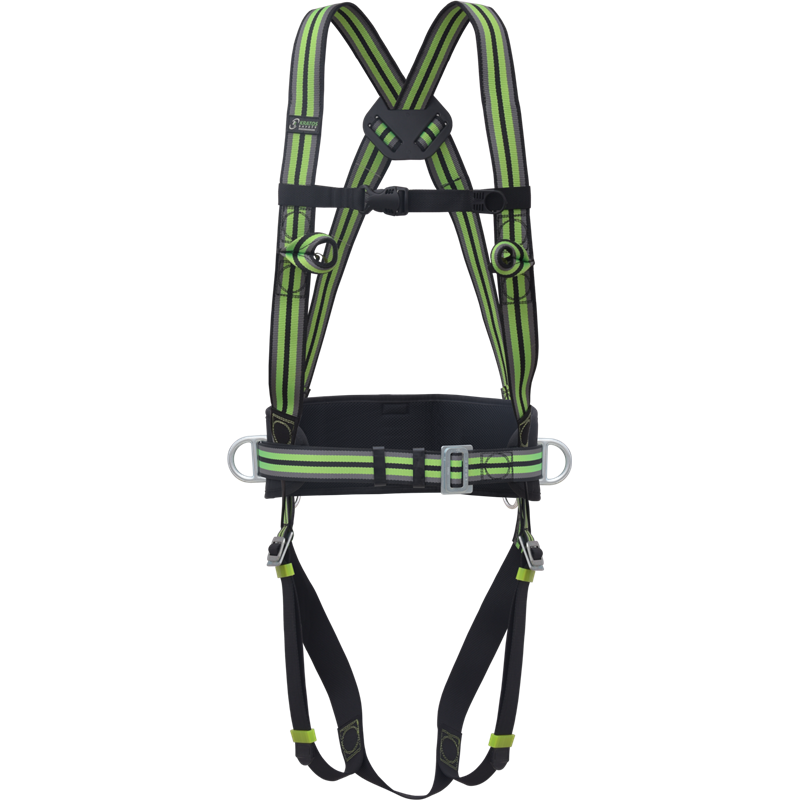
Klein Safety Harness: Choosing and Using the Right Fall-Protection Equipment
A Klein safety harness is a full-body harness made by Klein Tools, a manufacturer known for equipment used in electrical, construction and utility work. A harness is an important part of a personal fall-protection system, but it must be selected for the task, fitted correctly and used with compatible equipment. It cannot prevent a fall on its own.
What does a safety harness do?
A full-body harness helps distribute the forces of a fall across the body and is designed to connect the wearer to suitable fall-protection equipment. Depending on the job, that equipment may include a lanyard, energy absorber, self-retracting lifeline or an approved anchorage connector.
Harnesses may be designed for different work activities, such as working at height, climbing or positioning. Features vary between models, so never assume that a particular Klein harness is suitable for every task. Check the product instructions and technical specifications before use.
Choosing a Klein safety harness
Before buying or using a harness, consider the work environment and the complete fall-protection system. Check:
- The task: Choose equipment intended for the work being carried out, including any climbing or positioning requirements.
- Fit and adjustment: The harness must fit the wearer and allow straps to be adjusted securely. Check the manufacturer’s sizing guidance.
- Compatibility: Confirm that the harness, connectors, lanyard and anchorage are suitable for use together.
- Standards and approval: Check the label and documentation for the applicable standards and whether the equipment is approved for use in the UK. A product’s compliance in another market does not automatically establish that it is suitable for UK workplace use.
- Working conditions: Consider exposure to sharp edges, heat, chemicals, electricity or other hazards. Use only equipment specified for those conditions.
- Rescue arrangements: Plan how a suspended worker would be rescued promptly if a fall occurred.
In the UK, employers must assess risks and provide appropriate work-at-height equipment and training. Consult the manufacturer’s instructions and relevant UK regulations and standards when selecting equipment. If there is any doubt about a harness’s suitability, seek advice from a competent person or the supplier.
Fitting and inspection
Read the instructions supplied with the exact harness model before use. Check that the harness is the correct size, put it on as instructed and adjust every strap so it is secure without restricting safe movement. Connect only to the designated attachment point for the intended system. Do not alter the harness or use unapproved accessories.
Inspect the harness before each use, following the manufacturer’s checklist. Look for cuts, fraying, abrasion, damaged stitching, corrosion, deformation, faulty buckles, missing labels or other signs of damage. If the harness has arrested a fall, or its history is uncertain, remove it from service and follow the manufacturer’s guidance. Do not attempt repairs unless they are specifically authorised.
Keep records of inspections where required by workplace procedures, and arrange any formal examinations in line with the manufacturer’s instructions and applicable UK requirements. Store the harness clean and dry, away from sunlight, chemicals, excessive heat and sharp objects.
Training and safe use
A harness is only one part of a fall-protection system. Users need suitable training in fitting, connecting, inspecting and using the complete system. Work at height should be planned and supervised, with risks controlled as far as reasonably practicable. Where possible, prioritise measures that prevent a fall rather than relying solely on equipment that arrests one.
Before starting work, check the anchorage, fall clearance and potential for a swing fall, as well as the rescue plan. Follow the instructions for the specific Klein safety harness and every connected component. If the equipment is damaged, incompatible or unfamiliar, do not use it until it has been checked by a competent person.
In summary
A Klein safety harness may be suitable for particular work-at-height tasks, but the right choice depends on the model, the job and the complete protection system. Confirm its UK suitability, follow the manufacturer’s instructions, inspect it regularly and ensure users are trained. Safe use begins with careful planning—not simply putting on a harness.
8 Essential Tips for Using a Klein Safety Harness Safely
- Inspect the Klein harness before every use for cuts, fraying, damaged stitching or corrosion.
- Check labels are legible and the harness is within its service life.
- Choose the correct size and adjust all straps for a snug, secure fit.
- Fasten and double-check every buckle before connecting to a fall-arrest system.
- Use only compatible lanyards, connectors and anchor points rated for the task.
- Keep the dorsal D-ring positioned between the shoulder blades.
- Confirm there is enough fall clearance below the work area.
- Follow Klein’s instructions and have a rescue plan before working at height.
Inspect the Klein harness before every use for cuts, fraying, damaged stitching or corrosion.
Before every use, inspect your Klein safety harness carefully for cuts, fraying, damaged stitching, corrosion or any other signs of wear. Check the straps, buckles, connectors and labels, following the manufacturer’s instructions. If you find damage or are unsure about the harness’s condition, do not use it; remove it from service and ask a competent person to assess it.
Check labels are legible and the harness is within its service life.
Before using a Klein safety harness, check that all labels are present and legible so you can confirm the model, inspection details and manufacturer’s instructions. Also verify that the harness is still within the service life specified by Klein; if the label is unreadable, the history is unclear or the service life has expired, remove it from use and seek advice from a competent person.
Choose the correct size and adjust all straps for a snug, secure fit.
Choose the correct Klein safety harness size for the wearer and adjust every strap so the harness fits snugly and securely without restricting movement or breathing. Check that the straps lie flat, buckles are fastened properly and the harness remains in position when the wearer moves. Always follow the instructions for the specific model, as a poor fit can reduce comfort and compromise safety.
Fasten and double-check every buckle before connecting to a fall-arrest system.
Before connecting a Klein safety harness to a fall-arrest system, fasten every buckle and check that each one is fully secured. Adjust the straps so the harness fits snugly and correctly, then inspect the buckles and connections once more. A properly fastened harness helps ensure it can function as intended in the event of a fall. Always follow the instructions for your specific model and workplace procedures.
Use only compatible lanyards, connectors and anchor points rated for the task.
Use only lanyards, connectors and anchor points that are compatible with your Klein safety harness and rated for the task. Components that do not fit or work together correctly may compromise the fall-protection system. Always check the manufacturer’s instructions, equipment ratings and site requirements, and ask a competent person if you are unsure.
Keep the dorsal D-ring positioned between the shoulder blades.
When wearing a Klein safety harness, position the dorsal D-ring centrally between your shoulder blades, following the manufacturer’s instructions. This helps ensure the harness sits correctly and connects to fall-protection equipment as intended. Before starting work, check that the straps are properly adjusted and the D-ring has not shifted; if the harness cannot be fitted correctly, do not use it until it has been checked.
Confirm there is enough fall clearance below the work area.
Before using a Klein safety harness, confirm that there is enough clear space below the work area for the fall-protection system to arrest a fall safely. Calculate the required clearance using the instructions for the harness and connected equipment, taking account of factors such as lanyard or lifeline length, energy-absorber deployment, the wearer’s height and any stretch or movement in the system. Check for obstacles such as floors, platforms, machinery or stored materials. If there is not enough clearance, do not proceed until a suitable fall-protection solution has been chosen.
Follow Klein’s instructions and have a rescue plan before working at height.
Before using a Klein safety harness, read and follow the instructions for the specific model, including guidance on fitting, adjustment, inspection and compatible equipment. Working at height also requires a rescue plan: decide in advance how a worker would be brought to safety promptly after a fall, and make sure the people and equipment needed are available. A harness is only one part of a fall-protection system, so never rely on it without proper training and planning.