
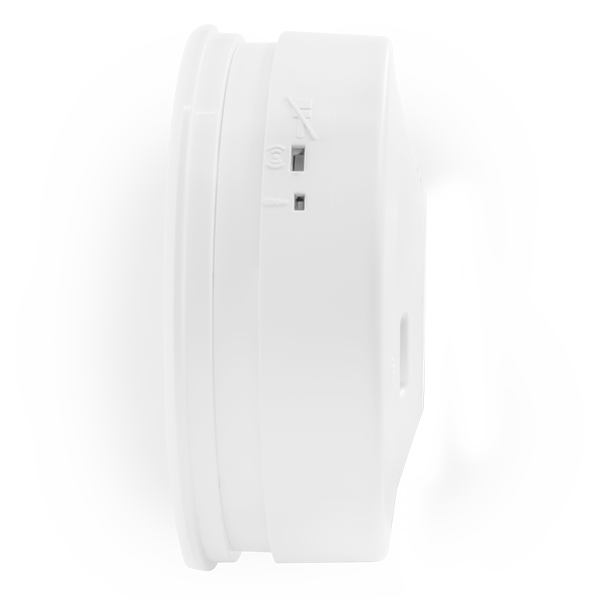
S Tech Carbon Monoxide Alarm: What to Know
Carbon monoxide (CO) is a poisonous gas that cannot be seen, tasted or smelled. It can be produced when fuel-burning appliances, such as boilers, cookers, fires and heaters, do not burn fuel properly. A carbon monoxide alarm can provide an important early warning, helping you respond before exposure becomes more serious.
If you are considering an S Tech carbon monoxide alarm, check the exact model’s packaging and instructions for its certification, power source, expected lifespan and installation requirements. Product features can vary between models, so always follow the guidance supplied with your alarm.
What does a carbon monoxide alarm do?
A carbon monoxide alarm monitors the air and sounds when it detects CO at levels specified for that device. It is a warning device, not a replacement for maintaining appliances or arranging regular safety checks. For use in the UK, look for an alarm that meets the relevant domestic standard, BS EN 50291-1, and install and maintain it according to the manufacturer’s instructions.
Where should you install it?
Choose a position based on the alarm’s instructions and the layout of your home. You may need alarms near fuel-burning appliances and in areas where people sleep. Avoid placing an alarm where it could be obstructed or exposed to steam, cooking fumes or excessive dust, unless the manufacturer says otherwise. Do not assume that one alarm will protect every room.
Before fitting an S Tech alarm, check whether it is intended for wall or ceiling mounting, whether batteries are included and whether the unit is sealed or has replaceable batteries. Keep the instructions so you can refer to the recommended test and replacement schedule.
Testing and maintenance
- Use the test button as often as the manufacturer recommends.
- Keep the alarm clear of dust and follow the cleaning instructions.
- Pay attention to low-battery or end-of-life warnings.
- Replace the alarm when it reaches the end of its stated service life, even if it still appears to work.
A test button usually checks the alarm’s electronic functions; it does not confirm that the sensor will detect every possible level of carbon monoxide. Never test an alarm using exhaust fumes or by deliberately creating carbon monoxide.
What to do if the alarm sounds
Leave the building and get everyone outside into fresh air. If it is safe to do so on your way out, turn off fuel-burning appliances and open doors or windows, but do not delay leaving. Do not go back inside until it has been confirmed safe. If anyone has symptoms or you feel seriously concerned, call 999.
Possible symptoms of carbon monoxide poisoning include headache, dizziness, nausea, weakness, confusion, chest pain and shortness of breath. They can resemble flu, and may improve when you leave the affected building. Seek urgent medical advice if someone may have been exposed.
In Great Britain, if you suspect a gas appliance is involved, contact the Gas Emergency Service on 0800 111 999. Arrange for a qualified professional to check the appliance before using it again.
A useful part of home safety
An S Tech carbon monoxide alarm can be a valuable addition to a home when the specific model is suitable, correctly installed and maintained. Check the product’s standard and instructions before buying, and remember that an alarm works best alongside regular servicing of fuel-burning appliances and proper ventilation.
Essential Guidance for Managing and Testing Your Carbon Monoxide Alarm in the UK
- What should I do if my carbon monoxide detector is beeping in the UK?
- How do I stop my carbon monoxide alarm from beeping in the end of life?
- How do I get my carbon monoxide alarm to stop beeping?
- How can I tell if my carbon monoxide alarm is working?
What should I do if my carbon monoxide detector is beeping in the UK?
If your S Tech carbon monoxide alarm is sounding, get everyone outside into fresh air immediately and call 999 if anyone feels unwell or has symptoms such as headache, dizziness or nausea. Do not re-enter until the property has been confirmed safe; if you suspect a gas appliance is involved, call the Gas Emergency Service on 0800 111 999. A brief, intermittent chirp may indicate a low battery or that the alarm has reached the end of its life, but beep patterns vary by model, so check the instructions and replace or maintain the unit as directed—never ignore a possible CO alarm.
How do I stop my carbon monoxide alarm from beeping in the end of life?
If your S Tech carbon monoxide alarm is beeping to signal the end of its service life, it cannot be reset for continued use and should be replaced promptly; check the manual to confirm the end-of-life warning pattern for your model. Do not remove the batteries or leave your home without a working alarm. If the beeping could instead be an alarm alert, or anyone feels unwell, leave the property and get into fresh air, then call 999 if there is immediate danger.
How do I get my carbon monoxide alarm to stop beeping?
If your S Tech carbon monoxide alarm is beeping, check its instructions to identify the sound: an occasional chirp may indicate a low battery, fault or end of life, while a continuous or repeated alarm may signal carbon monoxide. If it sounds like an alarm, get everyone outside into fresh air immediately and call 999 if anyone feels unwell; do not re-enter until it is safe. For a low-battery or fault warning, follow the model’s instructions and replace the battery or alarm as directed—never remove the battery or disable the unit to stop the noise.
How can I tell if my carbon monoxide alarm is working?
Press the test button and check that the alarm sounds, following the instructions for your specific S Tech model. A successful test checks the alarm’s electronic and sounder functions, but may not confirm that the sensor can detect carbon monoxide. Check the indicator lights and any battery or end-of-life warnings as described in the manual, and replace the alarm when it reaches its stated expiry date. Never test it with car exhaust or by deliberately producing carbon monoxide.