
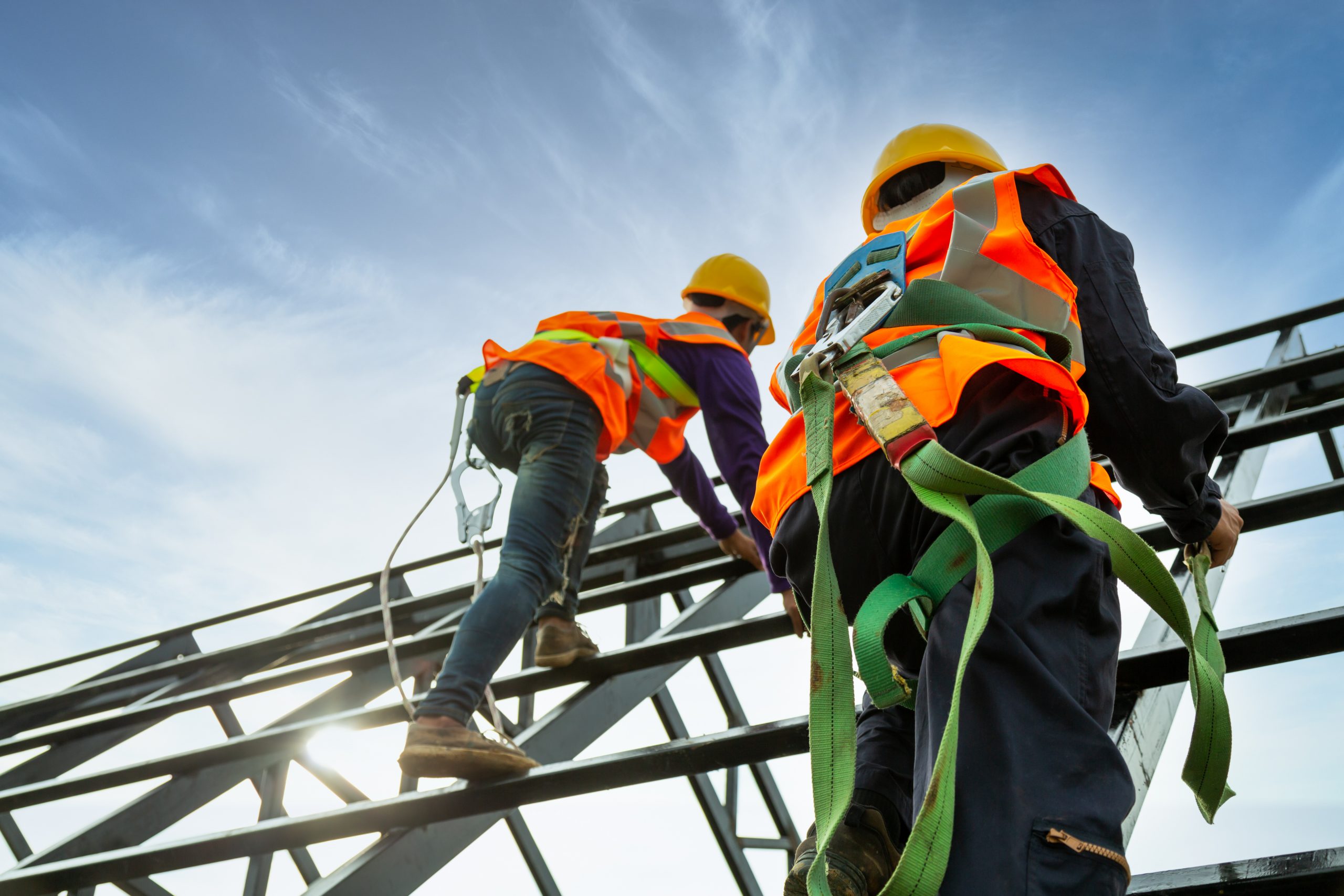
Ensuring Safety at Heights: The Importance of Work Safety Belts
Working at heights can be a challenging and risky task that requires proper safety measures to prevent accidents and injuries. One essential piece of equipment that plays a crucial role in ensuring the safety of workers at heights is the work safety belt.
A work safety belt, also known as a harness or fall protection system, is designed to secure a worker to prevent falls and provide support in case of an accidental slip or trip. It consists of straps, buckles, and attachment points that are carefully engineered to distribute the impact force across the body and reduce the risk of serious injuries.
When working at heights, whether on construction sites, rooftops, or industrial settings, wearing a safety belt is not just a recommendation but a legal requirement in many jurisdictions. Employers have a responsibility to provide their workers with proper safety equipment, including work safety belts, to ensure their well-being while performing tasks at elevated levels.
Using a work safety belt correctly is as important as wearing one. Workers should undergo training on how to properly fit and adjust the harness, inspect it for any signs of wear or damage before each use, and connect it securely to appropriate anchor points that can support their weight in case of a fall.
Regular maintenance and inspection of work safety belts are also crucial to ensure their effectiveness and reliability. Any worn-out or damaged components should be replaced immediately to avoid compromising the safety of workers working at heights.
In conclusion, work safety belts are indispensable tools for protecting workers who perform tasks at heights. By investing in high-quality harnesses, providing adequate training, and enforcing strict safety protocols, employers can create a safer working environment where employees can focus on their jobs without worrying about potential falls or accidents.
Top 7 Benefits of Height Work Safety Belts: Ensuring Protection and Compliance
- Provides fall protection to prevent injuries when working at heights.
- Distributes impact force across the body, reducing the risk of serious harm.
- Secures workers in place, giving them confidence and stability while working.
- Essential for complying with legal requirements and safety regulations in many jurisdictions.
- Can be adjusted to fit different body sizes and shapes for maximum comfort and effectiveness.
- Offers peace of mind to both workers and employers by prioritising safety on elevated job sites.
- Regular inspection and maintenance ensure long-term reliability and functionality.
Challenges of Height Work Safety Belts: Restricted Movement, Discomfort, Heat Retention, and Training Needs
Provides fall protection to prevent injuries when working at heights.
One of the key advantages of using a work safety belt is its ability to provide essential fall protection, significantly reducing the risk of injuries when working at heights. By securely fastening workers to anchor points, safety belts act as a crucial safety net, preventing falls and potential accidents that could result in serious harm. This fall protection feature not only safeguards the well-being of workers but also instills confidence and peace of mind, allowing individuals to focus on their tasks without the constant fear of falling. Ultimately, the provision of fall protection through safety belts is a fundamental aspect of ensuring a safe and secure working environment for those engaged in tasks at elevated levels.
Distributes impact force across the body, reducing the risk of serious harm.
By distributing the impact force across the body, height work safety belts play a vital role in reducing the risk of serious harm to individuals working at elevated levels. This design feature ensures that any sudden impact or fall is absorbed and dispersed evenly, minimising the chances of sustaining severe injuries. Workers can have peace of mind knowing that the safety belt provides an added layer of protection, helping to mitigate the potential consequences of accidents while working at heights.
Secures workers in place, giving them confidence and stability while working.
One significant advantage of height work safety belts is their ability to secure workers in place, providing them with a sense of confidence and stability as they perform their tasks at elevated levels. By ensuring that workers are firmly anchored and supported, safety belts help alleviate the fear of falling and allow employees to focus on their work without distractions or worries about potential accidents. This increased sense of security not only boosts productivity but also promotes a safer working environment where workers can carry out their duties with peace of mind.
Essential for complying with legal requirements and safety regulations in many jurisdictions.
Ensuring compliance with legal requirements and safety regulations is a critical aspect of workplace safety, particularly when it comes to working at heights. Work safety belts play a vital role in meeting these obligations in many jurisdictions. By providing workers with appropriate safety harnesses, employers not only protect their employees from potential falls but also demonstrate their commitment to upholding the necessary standards set by law. Having height work safety belts as mandatory equipment helps create a safer work environment and ensures that businesses adhere to regulatory guidelines aimed at safeguarding the well-being of their workforce.
Can be adjusted to fit different body sizes and shapes for maximum comfort and effectiveness.
One significant advantage of height work safety belts is their versatility in being adjusted to fit various body sizes and shapes, ensuring maximum comfort and effectiveness for all workers. By customising the fit of the safety belt to individual requirements, it promotes a secure and snug connection that enhances overall safety while working at heights. This adaptability not only improves comfort during prolonged use but also ensures that each worker can move freely and confidently, knowing that their safety equipment is optimally tailored to their unique physique.
Offers peace of mind to both workers and employers by prioritising safety on elevated job sites.
By prioritising safety on elevated job sites, height work safety belts offer peace of mind to both workers and employers. Workers can focus on their tasks knowing that they are securely protected in case of a fall, while employers can rest assured that they have provided their employees with essential safety equipment to minimise risks and ensure a safe working environment. This proactive approach to safety not only enhances productivity but also fosters a culture of care and responsibility towards the well-being of all individuals involved in tasks at heights.
Regular inspection and maintenance ensure long-term reliability and functionality.
Regular inspection and maintenance of height work safety belts play a crucial role in ensuring their long-term reliability and functionality. By conducting routine checks and addressing any issues promptly, employers can extend the lifespan of safety belts, thereby reducing the risk of unexpected failures during critical moments. This proactive approach not only enhances the overall safety of workers operating at heights but also demonstrates a commitment to prioritising employee well-being and upholding stringent safety standards in the workplace.
Restrictive movement
One significant drawback of height work safety belts is their restrictive nature, which can impede the movement and agility of workers. The harnesses and straps of safety belts are designed to secure individuals in place, but this can limit their range of motion and flexibility. For tasks that demand quick movements or agility, such as working on scaffolding or navigating narrow spaces, the constraints imposed by safety belts may pose challenges and hinder productivity. Finding a balance between ensuring safety and allowing workers the necessary freedom of movement remains a key consideration in addressing this con of height work safety belts.
Discomfort
Prolonged wear of safety belts can lead to discomfort and fatigue, particularly when the harness is inadequately adjusted or lacks sufficient padding. Workers may experience chafing, pressure points, and restricted movement, impacting their comfort and productivity while working at heights. Ensuring that safety belts are correctly fitted and equipped with adequate padding can help alleviate these issues and enhance the overall comfort of workers, promoting better focus and job performance in challenging elevated environments.
Heat retention
One significant drawback of height work safety belts is their tendency to retain heat, especially in hot working environments. Safety belts can trap heat against the body, leading to discomfort for workers operating in high temperatures. This heat retention can not only be unpleasant but also pose a risk of heat-related issues such as dehydration, heat exhaustion, or even heat stroke. It is crucial for employers and workers to be aware of this con and take necessary precautions, such as providing adequate ventilation, regular breaks, and hydration, to mitigate the potential risks associated with heat retention while wearing safety belts at heights.
Training requirements
One significant drawback of height work safety belts is the training requirements associated with their use. Proper training is crucial to ensure that safety belts are utilised effectively and that workers understand how to wear them correctly. This necessitates additional time and resources to provide comprehensive training to all workers, ensuring they are competent in using the safety belts. Meeting these training requirements can pose challenges for employers, as it may disrupt workflow schedules and require dedicated resources for conducting training sessions. However, despite these challenges, investing in thorough training is essential to maximise the effectiveness of safety belts and reduce the risk of accidents or injuries when working at heights.