
The Importance of a Marine CO Detector for Safety at Sea
When it comes to boating and sailing, safety should always be a top priority. One essential piece of safety equipment that every boat owner should have on board is a marine carbon monoxide (CO) detector.
Carbon monoxide is a silent and potentially deadly gas that can be produced by engines, generators, cooking appliances, and other fuel-burning devices on board a boat. Without proper ventilation or early detection, CO can quickly build up in enclosed spaces and pose a serious threat to the health and safety of everyone on board.
A marine CO detector is designed to continuously monitor the air for the presence of carbon monoxide. If elevated levels of CO are detected, the alarm will sound, alerting occupants to the danger so that they can take immediate action to ventilate the area and prevent exposure.
Installing a marine CO detector on your boat is not only a smart decision but also a legal requirement in many jurisdictions. It provides peace of mind knowing that you have an extra layer of protection against this invisible threat while out at sea.
Remember, carbon monoxide poisoning can happen quickly and without warning. Symptoms such as headaches, dizziness, nausea, confusion, and fatigue are often mistaken for seasickness or fatigue but can indicate CO exposure. Having a marine CO detector on board can help you detect this danger early and potentially save lives.
Don’t compromise on safety when it comes to boating. Invest in a quality marine CO detector today and make sure that you and your passengers are protected from the dangers of carbon monoxide while enjoying your time on the water.
Essential Tips for Installing and Maintaining Marine CO Detectors on Your Boat
- Install a marine CO detector in sleeping areas and near fuel-burning appliances.
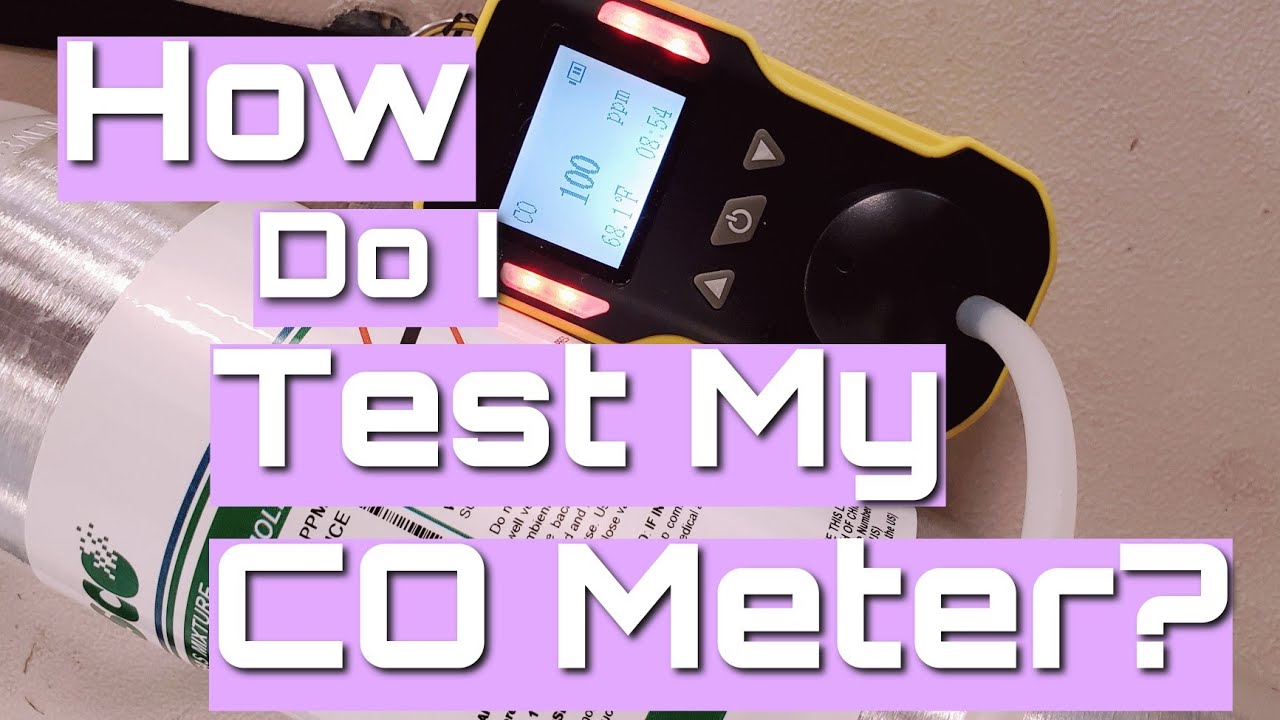
- Regularly test the CO detector to ensure it is functioning properly.
- Follow manufacturer’s instructions for installation and maintenance of the CO detector.
- Keep the area around the CO detector free from obstructions to allow proper airflow.
- Replace the batteries in the CO detector as recommended by the manufacturer.
- Consider installing multiple CO detectors in different areas of your boat for comprehensive coverage.
Install a marine CO detector in sleeping areas and near fuel-burning appliances.
To enhance safety on your boat, it is crucial to install a marine CO detector in sleeping areas and near fuel-burning appliances. Placing the detector in these key locations ensures early detection of carbon monoxide, a silent but deadly gas that can accumulate in enclosed spaces. By having a marine CO detector strategically positioned, you can promptly alert occupants to any dangerous levels of CO, allowing for immediate action to mitigate the risk and safeguard everyone on board. Prioritising the installation of detectors in these critical areas is a proactive measure that can significantly reduce the threat of carbon monoxide poisoning while at sea.
Regularly test the CO detector to ensure it is functioning properly.
It is crucial to regularly test your marine CO detector to ensure that it is functioning properly and providing the necessary protection on board your boat. By conducting routine tests, you can verify that the detector’s sensors are responsive and the alarm system is operational. This simple maintenance task can help you have confidence in the device’s ability to alert you promptly in case of elevated carbon monoxide levels, allowing you to take immediate action to safeguard yourself and your passengers while out at sea.
Follow manufacturer’s instructions for installation and maintenance of the CO detector.
It is crucial to follow the manufacturer’s instructions carefully when installing and maintaining a marine CO detector on your boat. Proper installation ensures that the detector functions effectively and accurately detects any presence of carbon monoxide. Regular maintenance as per the manufacturer’s guidelines helps keep the detector in optimal condition, providing reliable protection against this silent but dangerous gas while out at sea. By adhering to the instructions provided, you can ensure the continued safety of yourself and others on board your vessel.
Keep the area around the CO detector free from obstructions to allow proper airflow.
It is crucial to maintain proper airflow around your marine CO detector by keeping the area free from obstructions. Adequate ventilation ensures that the detector can effectively monitor the air for carbon monoxide levels and promptly alert you to any potential dangers. By allowing clear airflow around the CO detector, you enhance its ability to function optimally and help safeguard the safety of everyone on board your boat. Remember, a simple step like keeping the area around the detector unobstructed can make a significant difference in ensuring a safe boating experience.
Replace the batteries in the CO detector as recommended by the manufacturer.
It is crucial to replace the batteries in the CO detector as recommended by the manufacturer to ensure that the device functions effectively at all times. Regularly changing the batteries will help maintain the detector’s reliability and accuracy in detecting carbon monoxide levels on your boat. By following the manufacturer’s guidelines for battery replacement, you can be confident that your marine CO detector is always ready to provide early warnings of any potential CO threats, keeping you and your passengers safe while out at sea.
Consider installing multiple CO detectors in different areas of your boat for comprehensive coverage.
Consider installing multiple CO detectors in different areas of your boat for comprehensive coverage. By strategically placing CO detectors in key locations such as the cabin, engine room, and sleeping quarters, you can ensure that every area is continuously monitored for the presence of carbon monoxide. This proactive approach enhances safety measures on board, providing early detection and alerts in case of any CO buildup, ultimately safeguarding the well-being of everyone on the boat. Remember, when it comes to marine CO detection, thorough coverage is key to effective protection against this silent but dangerous gas.