
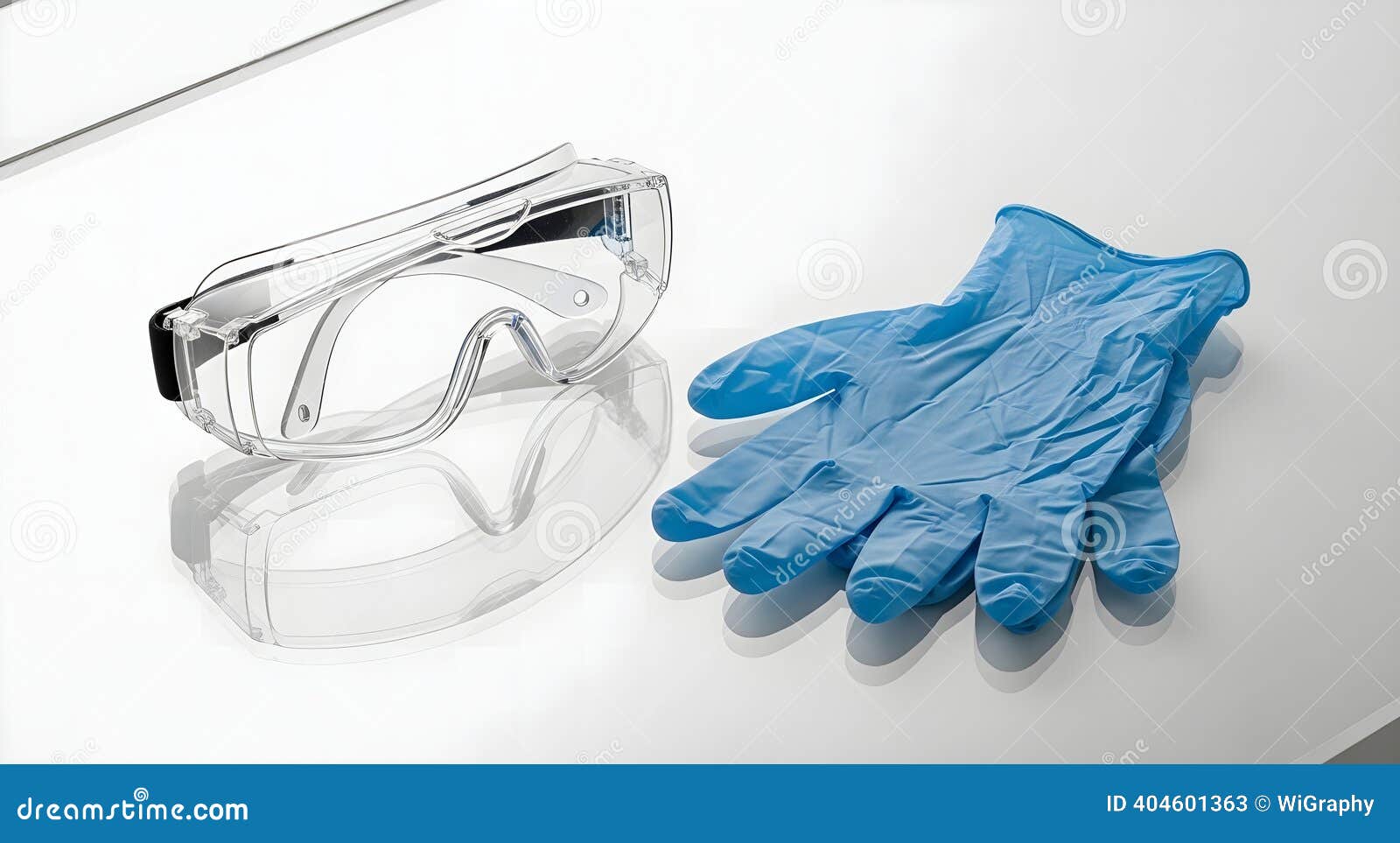
Medical Goggles as Personal Protective Equipment (PPE)
Medical goggles are an essential component of personal protective equipment (PPE) used in various healthcare settings. These protective eyewear devices play a crucial role in safeguarding the eyes of healthcare workers, patients, and others from potential hazards.
When it comes to infection control and prevention, medical goggles provide a barrier against splashes, sprays, and droplets that may contain infectious agents. They are particularly important in environments where there is a risk of exposure to blood, bodily fluids, or other potentially harmful substances.
Not only do medical goggles protect the eyes from external hazards, but they also help prevent the spread of infections. By creating a shield around the eyes, these PPE devices reduce the risk of contamination through mucous membranes and promote a safer working environment for healthcare professionals.
In addition to infection control, medical goggles are also used in various medical procedures to enhance visibility and precision. They help improve visual acuity and protect the eyes from chemicals, debris, or other irritants that may be present during treatments or surgeries.
It is essential for healthcare facilities to provide appropriate training on the proper use and maintenance of medical goggles. Ensuring a proper fit, regular cleaning, and appropriate disposal of used goggles are key steps in maximising their effectiveness as PPE.
Overall, medical goggles are an indispensable tool in ensuring the safety and well-being of both healthcare workers and patients. By incorporating these protective eyewear devices into standard infection control practices, healthcare facilities can enhance their ability to deliver high-quality care while minimising risks of exposure to infectious agents.
Key Benefits of Medical Goggles PPE in Ensuring Safety and Precision in Healthcare Settings
- Provide a barrier against splashes, sprays, and droplets containing infectious agents
- Protect the eyes from external hazards in healthcare settings
- Help prevent the spread of infections through mucous membranes
- Enhance visibility and precision during medical procedures
- Improve visual acuity for healthcare professionals
- Shield the eyes from chemicals, debris, or irritants during treatments or surgeries
- Contribute to a safer working environment for healthcare workers
- Are an essential component of standard infection control practices
- Promote safety and well-being for both healthcare workers and patients
7 Drawbacks of Medical Goggles PPE: Comfort, Cost, and Compatibility Issues
- May cause discomfort when worn for extended periods
- May fog up, affecting visibility
- Can be expensive to purchase
- Limited styles and sizes available, may not fit all users comfortably
- Regular cleaning and maintenance required to prevent contamination
- May interfere with wearing prescription glasses underneath
- Potential for skin irritation or pressure marks from prolonged use
Provide a barrier against splashes, sprays, and droplets containing infectious agents
Medical goggles as personal protective equipment (PPE) offer a crucial advantage by providing a protective barrier against splashes, sprays, and droplets that may contain infectious agents. By creating a shield around the eyes, medical goggles help to prevent potential exposure to harmful pathogens, thereby safeguarding the health and well-being of healthcare workers and individuals in various high-risk environments. This proactive measure not only minimises the risk of infection transmission but also ensures a safer working environment where the eyes are effectively shielded from external hazards, contributing to overall infection control and prevention efforts.
Protect the eyes from external hazards in healthcare settings
In healthcare settings, one significant advantage of using medical goggles as personal protective equipment (PPE) is their ability to protect the eyes from external hazards. By creating a barrier against splashes, sprays, and droplets that may contain infectious agents or harmful substances, medical goggles play a crucial role in safeguarding the delicate eye area of healthcare workers and patients. This proactive measure not only reduces the risk of eye-related injuries but also helps prevent the transmission of infections through mucous membranes, promoting a safer and more secure environment for all individuals involved in patient care.
Help prevent the spread of infections through mucous membranes
Medical goggles as personal protective equipment (PPE) offer a significant advantage in helping to prevent the spread of infections through mucous membranes. By creating a protective barrier around the eyes, medical goggles effectively shield this vulnerable entry point from exposure to infectious agents present in splashes, sprays, or droplets. This proactive measure not only safeguards the wearer from potential contamination but also plays a crucial role in reducing the risk of transmitting infections to others, making medical goggles an essential tool in infection control and prevention protocols.
Enhance visibility and precision during medical procedures
Medical goggles as personal protective equipment (PPE) offer a significant advantage by enhancing visibility and precision during medical procedures. By providing a clear and unobstructed view, these protective eyewear devices enable healthcare professionals to perform intricate tasks with accuracy and confidence. The improved visual acuity afforded by medical goggles not only enhances the quality of care but also reduces the likelihood of errors or complications during procedures. This pro underscores the critical role that medical goggles play in ensuring optimal outcomes for patients while safeguarding the well-being of healthcare workers.
Improve visual acuity for healthcare professionals
Medical goggles as personal protective equipment (PPE) offer the significant benefit of improving visual acuity for healthcare professionals. By providing a clear and distortion-free view, these protective eyewear devices enhance the ability of medical personnel to perform intricate procedures with precision and accuracy. The improved visibility afforded by medical goggles not only ensures better patient care but also contributes to the overall safety and efficiency of healthcare settings. With enhanced visual acuity, healthcare professionals can confidently navigate complex tasks while maintaining a high standard of care for their patients.
Shield the eyes from chemicals, debris, or irritants during treatments or surgeries
Medical goggles as personal protective equipment (PPE) offer a crucial advantage by shielding the eyes from chemicals, debris, or irritants during medical treatments or surgeries. By providing a protective barrier, these goggles help prevent potential eye injuries and ensure a clear field of vision for healthcare professionals performing delicate procedures. This feature not only enhances safety but also contributes to the precision and effectiveness of medical interventions, ultimately improving patient outcomes and promoting a safer healthcare environment for all involved.
Contribute to a safer working environment for healthcare workers
Medical goggles as personal protective equipment (PPE) play a vital role in contributing to a safer working environment for healthcare workers. By providing a protective barrier for the eyes against splashes, sprays, and other potential hazards, medical goggles help reduce the risk of eye injuries and exposure to infectious agents. This not only safeguards the health and well-being of healthcare professionals but also enhances their confidence and efficiency in carrying out their duties. With medical goggles in place, healthcare workers can focus on providing quality care to patients without compromising their own safety, thus creating a more secure and conducive work environment for all involved.
Are an essential component of standard infection control practices
Medical goggles as personal protective equipment (PPE) are an essential component of standard infection control practices. By providing a protective barrier for the eyes, medical goggles help prevent the transmission of infections through mucous membranes. In healthcare settings where exposure to infectious agents is a constant risk, the use of medical goggles plays a crucial role in safeguarding the health and safety of both healthcare workers and patients. Incorporating medical goggles into standard infection control protocols demonstrates a commitment to maintaining a safe and hygienic environment, thus reducing the spread of infections and promoting overall well-being within healthcare facilities.
Promote safety and well-being for both healthcare workers and patients
Medical goggles as personal protective equipment (PPE) play a vital role in promoting safety and well-being for both healthcare workers and patients. By providing a protective barrier against potential hazards such as splashes, sprays, and infectious droplets, medical goggles help safeguard the eyes of healthcare professionals from harm. This not only reduces the risk of occupational injuries but also minimises the transmission of infections within healthcare settings. Additionally, by ensuring clear visibility and protection during medical procedures, these goggles contribute to a safer environment for patients, enhancing their overall well-being and care experience.
May cause discomfort when worn for extended periods
Wearing medical goggles as personal protective equipment (PPE) for extended periods can sometimes lead to discomfort for the wearer. The pressure exerted by the goggles on the face, especially around the eyes and nose, may cause irritation or soreness over time. Additionally, prolonged use of goggles can result in fogging or reduced visibility, which can be bothersome and affect productivity in healthcare settings. It is important for healthcare workers to take regular breaks, adjust the fit of the goggles as needed, and follow proper hygiene practices to minimise discomfort while ensuring adequate eye protection.
May fog up, affecting visibility
One potential drawback of using medical goggles as personal protective equipment (PPE) is that they may fog up, which can significantly impact visibility. When goggles fog up, it can hinder the wearer’s ability to see clearly, potentially compromising their safety and effectiveness in carrying out tasks. This issue is particularly problematic in environments where temperature changes or humidity levels fluctuate, leading to condensation on the lenses. Healthcare workers and other individuals relying on medical goggles must be aware of this limitation and take precautions to prevent fogging, such as using anti-fog coatings or ensuring proper ventilation while wearing the goggles.
Can be expensive to purchase
One significant drawback of medical goggles as personal protective equipment (PPE) is the potential cost involved in purchasing them. High-quality medical goggles designed for healthcare settings can be relatively expensive, especially when considering the need for regular replacement due to wear and tear or contamination. This cost factor may pose a challenge for healthcare facilities, particularly those operating on tight budgets, as they strive to ensure adequate protection for their staff without compromising on quality or safety standards. Finding cost-effective solutions or exploring bulk purchase options may be necessary to address the financial burden associated with acquiring medical goggles as essential PPE.
Limited styles and sizes available, may not fit all users comfortably
One significant drawback of medical goggles as personal protective equipment (PPE) is the limited range of styles and sizes available, which may result in challenges when it comes to ensuring a comfortable fit for all users. Individuals with diverse facial shapes and sizes may find it difficult to find goggles that provide a secure and comfortable fit, potentially leading to issues such as slippage, discomfort, or inadequate protection. This limitation highlights the importance of expanding the variety of styles and sizes offered to accommodate the diverse needs of healthcare workers and other users who rely on medical goggles for eye protection in various settings.
Regular cleaning and maintenance required to prevent contamination
Regular cleaning and maintenance of medical goggles as personal protective equipment (PPE) can be a significant drawback. While essential for preventing contamination and ensuring the effectiveness of the goggles, the need for frequent upkeep adds an extra layer of responsibility for healthcare workers. The time and effort required to properly clean and maintain the goggles may pose challenges in busy healthcare settings, potentially leading to lapses in hygiene practices. Failure to adhere to strict cleaning protocols could compromise the integrity of the PPE and increase the risk of cross-contamination, highlighting the importance of thorough training and compliance with maintenance guidelines to uphold safety standards.
May interfere with wearing prescription glasses underneath
One drawback of using medical goggles as personal protective equipment (PPE) is that they may interfere with wearing prescription glasses underneath. For individuals who require corrective eyewear, the challenge arises when trying to accommodate both the goggles and their glasses simultaneously. This can lead to discomfort, pressure on the ears or nose, and potential misalignment of the glasses, affecting vision clarity and overall comfort. Finding a suitable solution to address this issue, such as specially designed goggles that can fit over prescription glasses or providing alternative options for vision correction, is essential to ensure optimal protection without compromising comfort for those who rely on prescription eyewear.
Potential for skin irritation or pressure marks from prolonged use
Prolonged use of medical goggles as personal protective equipment (PPE) can present a con in the form of potential skin irritation or pressure marks. Continuous wear of goggles, especially tightly-fitted ones, may lead to discomfort and skin issues, such as redness, chafing, or pressure marks around the eyes and nose area. This can be particularly challenging for healthcare workers who need to wear goggles for extended periods during their shifts. Proper fitting, regular breaks, and ensuring adequate ventilation can help mitigate this issue and promote greater comfort for individuals required to wear medical goggles for long durations.