
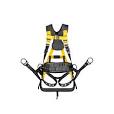
The Importance of Tower Climbing Safety Harnesses
When it comes to working at heights, especially in industries such as construction, telecommunications, or maintenance, safety should always be the top priority. Tower climbing is a task that involves significant risks, and one of the essential safety equipment for tower climbers is a safety harness.
A tower climbing safety harness is designed to secure a climber to prevent falls and minimise the impact in case of an accident. It consists of straps, buckles, and attachment points that distribute the force of a fall across the body to reduce the risk of injury.
Wearing a safety harness while climbing a tower provides several benefits:
- Fall Protection: In case of a slip or fall, the safety harness acts as a lifeline to prevent the climber from hitting the ground.
- Comfort and Support: A well-fitted harness distributes weight evenly across the body, reducing fatigue and discomfort during prolonged climbs.
- Hands-Free Operation: By securing themselves with a safety harness, climbers can have their hands free to perform tasks safely while working at heights.
- Compliance with Regulations: Health and safety regulations often require workers at heights to wear appropriate fall protection equipment, including safety harnesses.
It is crucial for tower climbers to undergo proper training on how to wear and use a safety harness correctly. Inspecting the harness before each use and following manufacturer guidelines for maintenance are also essential steps in ensuring its effectiveness.
In conclusion, investing in high-quality tower climbing safety harnesses is not just about compliance; it is about prioritising the well-being and lives of workers who perform tasks at heights. By using proper safety equipment like harnesses, we can minimise risks and create safer working environments for all tower climbers.
Essential Safety Tips for Proper Use of Tower Climbing Harnesses
- Always inspect the safety harness before use for any signs of wear or damage.
- Ensure that the safety harness fits properly and is adjusted according to manufacturer guidelines.
- Regularly check and maintain all components of the safety harness, including straps, buckles, and D-rings.
- Use a shock-absorbing lanyard to reduce impact in case of a fall while climbing.
- Always attach the safety harness to a secure anchor point before ascending a tower.
- Don’t lean back” – always maintain an upright position while climbing with a safety harness.
- Avoid twisting or tangling the safety harness straps during use for optimal functionality.
- Do not modify or alter the safety harness in any way as it may compromise its effectiveness.
Always inspect the safety harness before use for any signs of wear or damage.
Before embarking on any tower climbing activity, it is crucial to adhere to the safety protocol of inspecting the safety harness meticulously for any indications of wear or damage. This simple yet vital step ensures that the harness is in optimal condition to provide the necessary protection in case of a fall or accident. By carefully examining the harness before each use, climbers can identify and address any potential issues promptly, thereby enhancing their safety and reducing the risk of injury while working at heights. Remember, a thorough inspection can make all the difference in ensuring a safe climbing experience.
Ensure that the safety harness fits properly and is adjusted according to manufacturer guidelines.
To ensure optimal safety while tower climbing, it is crucial to make sure that the safety harness fits correctly and is adjusted in accordance with the manufacturer’s guidelines. A properly fitted harness not only enhances comfort during climbs but also plays a vital role in preventing falls and reducing the risk of injury in case of accidents. Following the recommended adjustment instructions provided by the manufacturer is essential to ensure that the harness functions effectively as intended, providing reliable protection for climbers working at heights.
Regularly check and maintain all components of the safety harness, including straps, buckles, and D-rings.
It is crucial to ensure the optimal performance of a tower climbing safety harness by regularly checking and maintaining all its components, including the straps, buckles, and D-rings. Regular inspections help identify any signs of wear, damage, or deterioration that could compromise the harness’s effectiveness in case of a fall. By conducting thorough checks and timely maintenance, climbers can proactively address any issues and ensure that their safety harness remains in top condition for safe and secure use during tower climbing activities.
Use a shock-absorbing lanyard to reduce impact in case of a fall while climbing.
When engaging in tower climbing activities, it is crucial to prioritise safety measures to mitigate potential risks. One essential tip for enhancing safety is to utilise a shock-absorbing lanyard along with a safety harness. In the event of a fall while climbing, a shock-absorbing lanyard plays a critical role in reducing the impact on the climber’s body. By absorbing and dissipating the force generated during a fall, the lanyard helps minimise injuries and enhances overall safety during tower ascent and descent operations. Incorporating this simple yet effective precaution can significantly enhance the protection and well-being of individuals engaged in tower climbing tasks.
Always attach the safety harness to a secure anchor point before ascending a tower.
It is crucial to always attach the safety harness to a secure anchor point before ascending a tower. Securing the harness to a stable and reliable anchor ensures that the climber is properly protected in case of a fall or slip during the ascent. By following this important safety tip, tower climbers can significantly reduce the risk of accidents and injuries while working at heights. Remember, safety should always come first when engaging in tower climbing activities.
Don’t lean back” – always maintain an upright position while climbing with a safety harness.
When climbing with a safety harness, it is crucial to remember the tip “Don’t lean back” and always maintain an upright position. By staying upright while climbing, you ensure that the safety harness functions effectively in case of a fall. Leaning back can put unnecessary strain on the harness and compromise its ability to support you in an emergency. Keeping an upright posture not only enhances the stability and comfort of your climb but also plays a vital role in maximising your safety while working at heights. Remembering this simple guideline can significantly reduce the risks associated with tower climbing and help ensure a safer working environment for all climbers.
Avoid twisting or tangling the safety harness straps during use for optimal functionality.
To ensure optimal functionality and effectiveness of a tower climbing safety harness, it is crucial to avoid twisting or tangling the straps during use. Keeping the harness straps free from twists or tangles not only ensures a secure fit but also prevents any potential weakening or damage to the harness. By maintaining the straps in their correct position, climbers can rely on their safety harness to provide the necessary support and protection in case of a fall, enhancing overall safety while working at heights.
Do not modify or alter the safety harness in any way as it may compromise its effectiveness.
It is crucial to adhere to the tip of not modifying or altering the tower climbing safety harness in any way, as doing so may compromise its effectiveness and put the climber at risk. Safety harnesses are meticulously designed and tested to ensure maximum protection in case of a fall or accident. Any modifications, such as cutting straps or altering attachment points, can weaken the integrity of the harness and reduce its ability to distribute force evenly across the body. By following this guideline and using the safety harness as intended, climbers can maintain their safety and mitigate potential hazards while working at heights.