
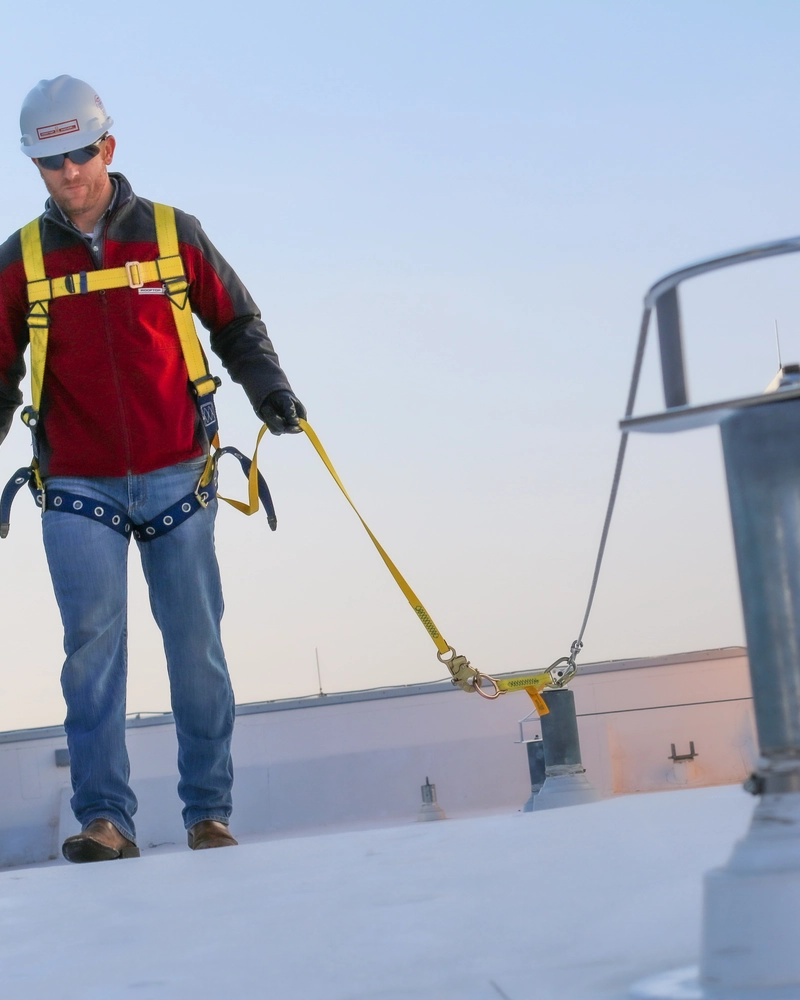
The Importance of Safety Harness with Lifeline
When it comes to working at heights or in hazardous environments, safety should always be the top priority. One essential piece of equipment that plays a crucial role in ensuring the safety of workers is the safety harness with lifeline.
A safety harness with lifeline is designed to protect workers from falls and provide a secure connection to an anchor point. In the event of a fall, the harness distributes the force of impact across the body, reducing the risk of injury. The lifeline, typically made of strong and durable material such as nylon or polyester, acts as a link between the harness and the anchor point.
Using a safety harness with lifeline is not just about compliance with regulations; it is about safeguarding lives. Falls from heights are one of the most common causes of serious injuries and fatalities in various industries. By wearing a properly fitted harness and connecting to a secure lifeline, workers can significantly reduce their risk of falling and suffering severe consequences.
It is essential for employers to provide appropriate training on how to properly wear and use safety harnesses with lifelines. Workers should understand how to inspect their equipment for any signs of wear or damage before each use. Regular maintenance and inspection of harnesses and lifelines are also crucial to ensure their effectiveness in protecting workers.
Investing in high-quality safety harnesses with lifelines demonstrates a commitment to worker safety and well-being. By prioritising safety equipment that meets industry standards and regulations, employers can create a safer work environment and reduce the likelihood of accidents.
In conclusion, safety harnesses with lifelines are indispensable tools for ensuring worker safety in environments where falls are a risk. Employers must provide proper training, maintenance, and quality equipment to protect their workers from potential hazards. By prioritising safety measures, businesses can create a culture of safety that benefits everyone involved.
Frequently Asked Questions About Safety Harness Lifelines: Understanding Their Purpose, Use, and Differences
- What is the meaning of lifeline in safety?
- Do I need to buy a lifeline while using a tree stand harness?
- What is the lifeline of a safety harness?
- What is the safety factor for lifeline?
- Which device connects a harness to a lifeline?
- What is the difference between safety harness lanyard and lifeline?
- What is the price of safety lifeline?
- What are the 3 basic types of life line?
What is the meaning of lifeline in safety?
In the context of safety harnesses, a lifeline refers to a critical component that serves as a connection between the harness worn by a worker and a secure anchor point. The lifeline is typically made of strong and durable material, such as nylon or polyester, and is designed to provide a lifeline of protection in the event of a fall. It acts as a safeguard against potential hazards by preventing workers from falling to the ground or lower levels. The lifeline plays a vital role in ensuring the safety of workers at heights or in hazardous environments, offering them a sense of security and protection while performing their tasks.
Do I need to buy a lifeline while using a tree stand harness?
When considering the use of a tree stand harness, the question of whether to purchase a lifeline is a critical one for ensuring safety while hunting or working at heights. While some tree stand harnesses come with integrated lifelines, others may require a separate lifeline purchase. It is important to understand that a lifeline serves as an additional layer of protection by keeping you connected to the tree at all times, reducing the risk of falling in case of a slip or accident. Investing in a lifeline when using a tree stand harness is highly recommended to enhance safety and provide peace of mind during your elevated activities.
What is the lifeline of a safety harness?
The lifeline of a safety harness is a crucial component that serves as the connection between the harness worn by a worker and a secure anchor point. Made of durable materials such as nylon or polyester, the lifeline is designed to provide support and protection in the event of a fall. It acts as a lifeline for the worker, helping to arrest their descent and prevent serious injury. Properly inspecting and maintaining the lifeline is essential to ensure its reliability and effectiveness in safeguarding workers at height or in hazardous environments. Understanding the role and importance of the lifeline in a safety harness is key to promoting workplace safety and preventing accidents.
What is the safety factor for lifeline?
The safety factor for a lifeline refers to the ratio between the breaking strength of the lifeline and the maximum expected load it will bear. Typically, a safety factor of at least 2:1 is recommended for lifelines used in fall protection systems. This means that the lifeline should be able to withstand at least twice the maximum expected load without failing. Ensuring a sufficient safety factor for the lifeline is crucial in providing a reliable and effective means of protection for workers at height, as it helps to prevent accidents and injuries by allowing a margin of safety in case of unexpected forces or stresses on the lifeline.
Which device connects a harness to a lifeline?
The device that connects a safety harness to a lifeline is known as a lanyard. A lanyard serves as the link between the harness worn by the worker and the lifeline attached to an anchor point. This critical component ensures that in the event of a fall, the force is distributed across the body through the harness while also providing a secure connection to prevent further descent. Proper selection and usage of a lanyard are essential for ensuring worker safety when working at heights or in hazardous environments.
What is the difference between safety harness lanyard and lifeline?
When considering the difference between a safety harness lanyard and a lifeline, it is important to understand their distinct roles in fall protection systems. A safety harness lanyard is a short connecting device that attaches the safety harness worn by a worker to an anchor point. It is designed to absorb energy in the event of a fall and limit the distance of free fall. On the other hand, a lifeline is a longer rope or cable that provides continuous support and connection for workers working at heights. Lifelines are typically used in situations where workers need to move along a horizontal plane while remaining securely attached. While both serve as critical components of fall protection systems, their functions and applications differ based on the specific needs and requirements of the work environment.
What is the price of safety lifeline?
When considering the price of a safety lifeline, it is important to understand that the cost can vary depending on various factors such as the brand, quality, length, and additional features of the lifeline. Typically, safety lifelines are priced based on their durability, material composition, and compliance with safety regulations. While it may be tempting to opt for a cheaper option, it is crucial to prioritise quality and reliability when it comes to safety equipment that could potentially save lives. Investing in a high-quality safety lifeline that meets industry standards is a wise decision to ensure the protection and well-being of workers in environments where falls are a risk.
What are the 3 basic types of life line?
When it comes to safety harnesses with lifelines, there are three basic types of lifelines commonly used: vertical lifelines, horizontal lifelines, and self-retracting lifelines. Vertical lifelines are designed for use in situations where workers need to ascend or descend vertically, such as climbing ladders or working in confined spaces. Horizontal lifelines provide workers with a secure connection point along a horizontal plane, allowing them to move laterally while remaining safely attached. Self-retracting lifelines automatically adjust the length of the line as the worker moves, providing freedom of movement while maintaining constant tension to minimize the risk of falls. Understanding the different types of lifelines and their appropriate applications is essential for ensuring proper safety measures in various work environments.