
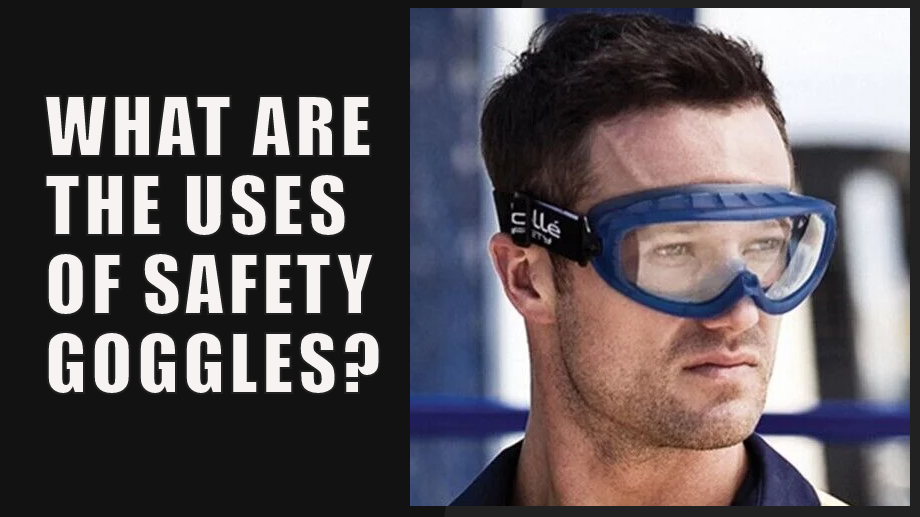
The Importance of Safety Goggles in Protecting Against Various Hazards
Safety goggles are a crucial piece of personal protective equipment that provide essential protection against a range of potential hazards in various environments. Whether you are working in a laboratory, construction site, or engaging in DIY projects at home, safety goggles play a vital role in safeguarding your eyes from harm.
Protection Against Chemical Splash
One of the primary functions of safety goggles is to protect against chemical splashes. In laboratories and industrial settings where hazardous chemicals are handled, safety goggles create a barrier that prevents chemicals from coming into contact with the eyes. This protection is essential in preventing eye irritation, burns, and even permanent damage.
Prevention of Particulate Matter
In environments where dust, debris, or other particulate matter is present, safety goggles act as a shield to prevent particles from entering the eyes. Whether you are woodworking, grinding metal, or performing tasks that generate airborne particles, wearing safety goggles can prevent eye injuries and irritation caused by foreign objects.
Impact Resistance
When working in construction sites or engaging in sports activities that pose a risk of impact to the face and eyes, safety goggles provide impact resistance. They are designed to withstand high-velocity impacts from flying objects or debris, reducing the risk of serious eye injuries such as corneal abrasions or fractures.
Protection Against UV Radiation
Certain safety goggles come with lenses that offer protection against harmful ultraviolet (UV) radiation. Exposure to UV rays can lead to conditions such as cataracts and photokeratitis (sunburn of the eye). Safety goggles with UV protection help safeguard your eyes when working outdoors under the sun.
Conclusion
In conclusion, safety goggles play a crucial role in protecting against various hazards that can pose risks to your eyes. By wearing appropriate safety eyewear designed for specific tasks and environments, you not only ensure your own safety but also promote a culture of workplace health and safety. Remember, protecting your vision is essential for maintaining your overall well-being.
Top 6 Benefits of Safety Goggles: Essential Eye Protection in Hazardous Environments
- Protect against chemical splashes in laboratories and industrial settings.
- Prevent entry of particulate matter such as dust and debris into the eyes.
- Offer impact resistance against high-velocity objects, reducing the risk of eye injuries.
- Provide UV protection to safeguard eyes from harmful ultraviolet radiation.
- Enhance workplace safety culture by promoting the use of appropriate safety eyewear.
- Contribute to maintaining overall well-being by preserving vision health.
Challenges and Limitations of Safety Goggles: 7 Key Considerations
- May cause discomfort if worn for extended periods
- Can fog up, reducing visibility in certain conditions
- Some designs may not fit well with prescription glasses
- Limit peripheral vision compared to regular eyewear
- May interfere with wearing other types of head protection
- Regular cleaning and maintenance required to ensure effectiveness
- Not suitable for all activities or environments, such as swimming
Protect against chemical splashes in laboratories and industrial settings.
Safety goggles offer vital protection against chemical splashes in laboratories and industrial settings. When handling hazardous chemicals, the eyes are particularly vulnerable to potential harm. Safety goggles act as a crucial barrier, shielding the eyes from direct contact with harmful substances. By wearing safety goggles, workers can significantly reduce the risk of eye irritation, burns, and long-term damage caused by chemical splashes. This proactive measure not only ensures the safety and well-being of individuals working in such environments but also promotes a culture of prioritising occupational health and safety.
Prevent entry of particulate matter such as dust and debris into the eyes.
Safety goggles serve a vital role in preventing the entry of particulate matter, such as dust and debris, into the eyes. Whether in industrial settings, construction sites, or during DIY projects at home, safety goggles act as a protective barrier that shields the eyes from airborne particles. By creating a seal around the eyes, safety goggles effectively reduce the risk of eye irritation, injuries, and potential long-term damage caused by foreign objects. This proactively ensures eye safety and promotes a healthier working environment where vision protection is prioritised.
Offer impact resistance against high-velocity objects, reducing the risk of eye injuries.
Safety goggles provide valuable protection by offering impact resistance against high-velocity objects, effectively reducing the risk of eye injuries. Whether in a construction site, industrial setting, or during sports activities, safety goggles act as a barrier against flying debris and potential impacts to the eyes. This feature is crucial in preventing serious eye injuries such as corneal abrasions or fractures that can result from unexpected accidents. By wearing safety goggles designed to withstand high-velocity forces, individuals can work or engage in tasks with confidence, knowing that their eyes are shielded from harm.
Provide UV protection to safeguard eyes from harmful ultraviolet radiation.
Safety goggles offer a valuable pro by providing UV protection to safeguard the eyes from harmful ultraviolet radiation. Exposure to UV rays can lead to serious eye conditions such as cataracts and photokeratitis. By wearing safety goggles with UV protection, individuals can enjoy added peace of mind when working outdoors or in environments where UV exposure is a concern. This proactive measure not only protects the eyes from immediate discomfort but also contributes to long-term eye health and well-being.
Enhance workplace safety culture by promoting the use of appropriate safety eyewear.
Promoting the use of appropriate safety eyewear, such as safety goggles, enhances workplace safety culture by prioritising the well-being and protection of employees. By emphasising the importance of wearing safety goggles to guard against potential hazards, organisations demonstrate their commitment to creating a safe working environment. This proactive approach not only safeguards employees’ vision and prevents eye injuries but also fosters a culture where safety is valued and prioritised. Encouraging the consistent use of safety goggles sets a positive example for all workers, reinforcing the notion that personal protective equipment is non-negotiable when it comes to ensuring workplace safety and promoting a culture of accountability and care.
Contribute to maintaining overall well-being by preserving vision health.
Safety goggles offer a significant benefit by contributing to maintaining overall well-being through the preservation of vision health. By providing a protective barrier against various hazards such as chemical splashes, particulate matter, impact, and UV radiation, safety goggles help prevent eye injuries and potential long-term damage. Preserving vision health is essential not only for daily tasks but also for quality of life. By prioritising eye protection with safety goggles, individuals can safeguard their eyesight and promote their overall well-being for years to come.
May cause discomfort if worn for extended periods
While safety goggles offer essential protection against various hazards, one potential drawback is that they may cause discomfort if worn for extended periods. The tight fit and continuous pressure of safety goggles against the face can lead to discomfort, especially around the eyes and nose. Prolonged wear may result in issues such as skin irritation, pressure marks, or fogging of the lenses, impacting the wearer’s comfort and productivity. It is important for users to take regular breaks, adjust the fit of the goggles as needed, and choose ergonomic designs to minimise discomfort when wearing safety goggles for extended periods.
Can fog up, reducing visibility in certain conditions
Safety goggles, while essential for eye protection against various hazards, can sometimes fog up, leading to reduced visibility in certain conditions. Fogging occurs when there is a temperature difference between the inside and outside of the goggles or when moisture accumulates on the lens surface. This can be particularly problematic in humid environments or when transitioning between hot and cold areas. Fogged-up safety goggles can impair vision and hinder the wearer’s ability to perform tasks effectively and safely. Proper ventilation, anti-fog coatings, or using anti-fog wipes are some solutions to address this issue and ensure clear visibility while maintaining eye protection.
Some designs may not fit well with prescription glasses
One drawback of safety goggles is that some designs may not fit well with prescription glasses. This can be a challenge for individuals who require corrective eyewear to see clearly. When safety goggles do not accommodate prescription glasses comfortably, it can lead to discomfort, pressure on the face, and compromised protection. In such cases, finding compatible safety goggles that offer a proper fit over prescription glasses becomes essential to ensure both vision correction and eye safety are effectively maintained in various work or recreational settings.
Limit peripheral vision compared to regular eyewear
While safety goggles provide essential protection against various hazards, one potential drawback is that they can limit peripheral vision compared to regular eyewear. The design of safety goggles, with their wrap-around style and snug fit to create a protective seal, may restrict the wearer’s ability to see objects or movements from the sides. This limitation in peripheral vision could pose challenges in certain situations where awareness of surroundings is crucial. However, advancements in safety eyewear technology have led to the development of goggles with improved peripheral visibility without compromising on protection, offering a balance between safety and comfort for the wearer. It is important for individuals to choose safety goggles that provide adequate protection while also considering factors like peripheral vision to ensure optimal safety in diverse environments.
May interfere with wearing other types of head protection
While safety goggles are essential for protecting the eyes from various hazards, one potential drawback is that they may interfere with wearing other types of head protection. For individuals who need to wear helmets, hard hats, or earmuffs in addition to safety goggles, finding a comfortable and secure fit for all pieces of protective gear can be challenging. The bulkiness of multiple forms of head protection can create discomfort, restrict movement, or compromise the effectiveness of each individual piece of equipment. It is important for users to carefully assess the compatibility of safety goggles with other types of headgear to ensure optimal safety without compromising overall comfort and functionality.
Regular cleaning and maintenance required to ensure effectiveness
Regular cleaning and maintenance are essential aspects of ensuring the effectiveness of safety goggles in providing adequate protection against various hazards. Dust, dirt, and debris can accumulate on the lenses, compromising visibility and potentially obstructing vision. Additionally, smudges or scratches on the goggles can hinder clarity and reduce their ability to shield the eyes properly. By establishing a routine cleaning regimen and inspecting for any signs of wear or damage, users can prolong the lifespan of their safety goggles and maintain optimal protection levels. Remember, a small investment of time in maintaining safety goggles can significantly enhance their performance and contribute to a safer work environment.
Not suitable for all activities or environments, such as swimming
Safety goggles, while highly effective in protecting against a wide range of hazards in various activities and environments, are not suitable for all situations. For instance, safety goggles are not designed for use in activities like swimming, where specialised eyewear such as swim goggles are more appropriate. In environments where water immersion is a factor, safety goggles may not provide the necessary seal to prevent water from entering the eyes. It is important to recognise the limitations of safety goggles and select the appropriate eye protection based on the specific requirements of each activity or environment to ensure optimal safety and effectiveness.