
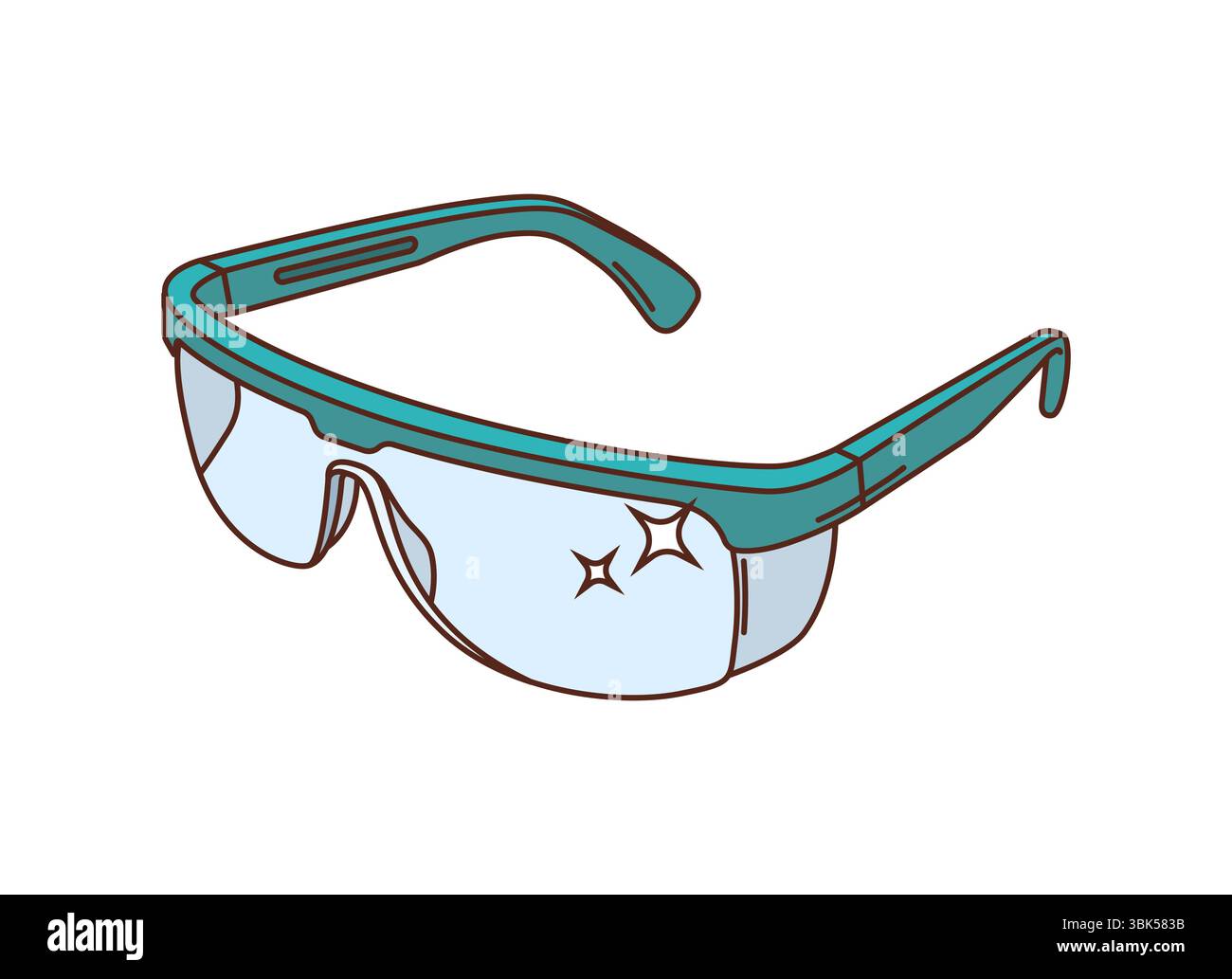
The Importance of Safety Goggles in the Laboratory
When it comes to working in a laboratory setting, safety should always be a top priority. One essential piece of safety equipment that should never be overlooked is safety goggles.
Safety goggles are designed to protect the eyes from potential hazards that may arise during experiments or research activities. In a laboratory, various substances, chemicals, and materials are handled that could pose a risk to eye safety if not properly managed.
Chemical splashes, flying debris, harmful fumes, and even minor explosions are all potential risks that can occur in a laboratory environment. Without adequate eye protection, these hazards can result in serious eye injuries that may have long-lasting consequences.
Wearing safety goggles is a simple yet effective way to mitigate these risks and ensure the safety of laboratory personnel. Safety goggles provide a barrier between the eyes and external hazards, preventing them from coming into direct contact with harmful substances or objects.
Furthermore, safety goggles are designed to be impact-resistant and provide a snug fit around the eyes to prevent any particles or liquids from entering from the sides or top. They also come in various styles and designs to suit different preferences and comfort levels.
It is crucial for all laboratory workers, including researchers, technicians, and students, to wear safety goggles whenever they are engaged in experimental work. By making safety goggles a standard part of laboratory attire, individuals can significantly reduce the risk of eye injuries and create a safer working environment for everyone.
In conclusion, safety goggles play a vital role in maintaining eye safety in the laboratory. Investing in high-quality safety goggles and ensuring their proper use can help prevent accidents and protect the vision of those working in this critical environment. Remember: when it comes to lab safety, protecting your eyes should never be overlooked.
Essential Tips for Ensuring Eye Safety with Laboratory Goggles
- Always wear safety goggles when working in the laboratory.
- Ensure that the safety goggles fit properly and provide full coverage for your eyes.
- Regularly inspect the safety goggles for any signs of damage or wear, and replace them if needed.
- Do not wear contact lenses in place of safety goggles, as they do not provide adequate eye protection.
- Clean the safety goggles regularly with mild soap and water to ensure clear vision.
- Store the safety goggles in a clean and dry area when not in use to prevent contamination or damage.
- In case of any chemical splashes or accidents, rinse your eyes immediately and seek medical attention if necessary.
- Educate yourself on the proper use of safety goggles and follow all laboratory safety protocols.
Always wear safety goggles when working in the laboratory.
It is essential to always wear safety goggles when working in the laboratory. Safety goggles provide crucial protection for the eyes against potential hazards such as chemical splashes, flying debris, and harmful fumes that are common in laboratory environments. By consistently wearing safety goggles during lab work, individuals can significantly reduce the risk of eye injuries and ensure their safety while conducting experiments or handling materials. Remember, prioritising eye safety by wearing safety goggles is a simple yet effective way to safeguard against potential dangers in the laboratory.
Ensure that the safety goggles fit properly and provide full coverage for your eyes.
It is crucial to ensure that the safety goggles fit properly and provide full coverage for your eyes when working in a laboratory setting. Properly fitting safety goggles create a secure barrier between your eyes and potential hazards, such as chemical splashes or flying debris, reducing the risk of eye injuries. Full coverage ensures that no gaps exist where harmful substances or particles could enter, offering comprehensive protection for your eyes during experiments or research activities. By prioritising the correct fit and coverage of safety goggles, you can effectively enhance your safety and minimise the chances of eye-related accidents in the laboratory.
Regularly inspect the safety goggles for any signs of damage or wear, and replace them if needed.
It is crucial to regularly inspect safety goggles in the laboratory for any signs of damage or wear. Ensuring that safety goggles are in good condition is essential for maintaining their effectiveness in protecting the eyes from potential hazards. If any damage or wear is detected during inspection, it is important to replace the safety goggles promptly to ensure continued safety for laboratory personnel. By staying vigilant and proactive in monitoring the condition of safety goggles, we can help prevent accidents and maintain a safe working environment in the laboratory.
Do not wear contact lenses in place of safety goggles, as they do not provide adequate eye protection.
It is crucial to follow the safety guideline of not substituting contact lenses for safety goggles in the laboratory. Contact lenses do not offer sufficient eye protection against potential hazards such as chemical splashes, flying debris, or harmful fumes that can occur during experiments or research activities. Safety goggles are specifically designed to create a barrier between the eyes and external dangers, providing a higher level of protection that contact lenses cannot match. Prioritising the use of safety goggles over contact lenses is essential to ensure the safety and well-being of laboratory personnel and prevent serious eye injuries.
Clean the safety goggles regularly with mild soap and water to ensure clear vision.
To maintain clear vision and ensure optimal safety in the laboratory, it is essential to clean safety goggles regularly with mild soap and water. By keeping the goggles free from dirt, residue, and other impurities, users can enhance visibility and reduce the risk of accidents caused by obscured vision. Regular cleaning not only promotes clear sight but also helps to prolong the lifespan of the safety goggles, ensuring they remain effective in providing reliable eye protection during laboratory work.
Store the safety goggles in a clean and dry area when not in use to prevent contamination or damage.
It is essential to store safety goggles in a clean and dry area when not in use to prevent contamination or damage. By storing the goggles properly, we can ensure that they remain free from dust, chemicals, or other substances that could compromise their effectiveness. Keeping them in a dry environment also helps prevent moisture build-up, which can lead to fogging or deterioration of the goggles over time. Proper storage not only maintains the integrity of the safety goggles but also contributes to their longevity and continued protection for laboratory personnel.
In case of any chemical splashes or accidents, rinse your eyes immediately and seek medical attention if necessary.
In the laboratory, it is essential to prioritise eye safety by wearing appropriate safety goggles at all times. However, accidents can still happen. In the event of any chemical splashes or incidents that may compromise eye safety, quick action is crucial. If you experience a chemical splash or any eye-related accident, it is important to immediately rinse your eyes with clean water to flush out any harmful substances. Following this, seek medical attention promptly to ensure proper evaluation and treatment if necessary. Remember, swift and appropriate response can make a significant difference in preventing long-term eye damage and ensuring your well-being in the laboratory environment.
Educate yourself on the proper use of safety goggles and follow all laboratory safety protocols.
It is essential to educate yourself on the correct use of safety goggles and adhere to all laboratory safety protocols. Understanding how to properly wear and maintain safety goggles can significantly reduce the risk of eye injuries in a laboratory setting. By following established safety guidelines and protocols, you not only protect yourself but also contribute to creating a safer work environment for everyone. Remember, knowledge and compliance with safety measures are key to ensuring a secure and productive laboratory experience.