
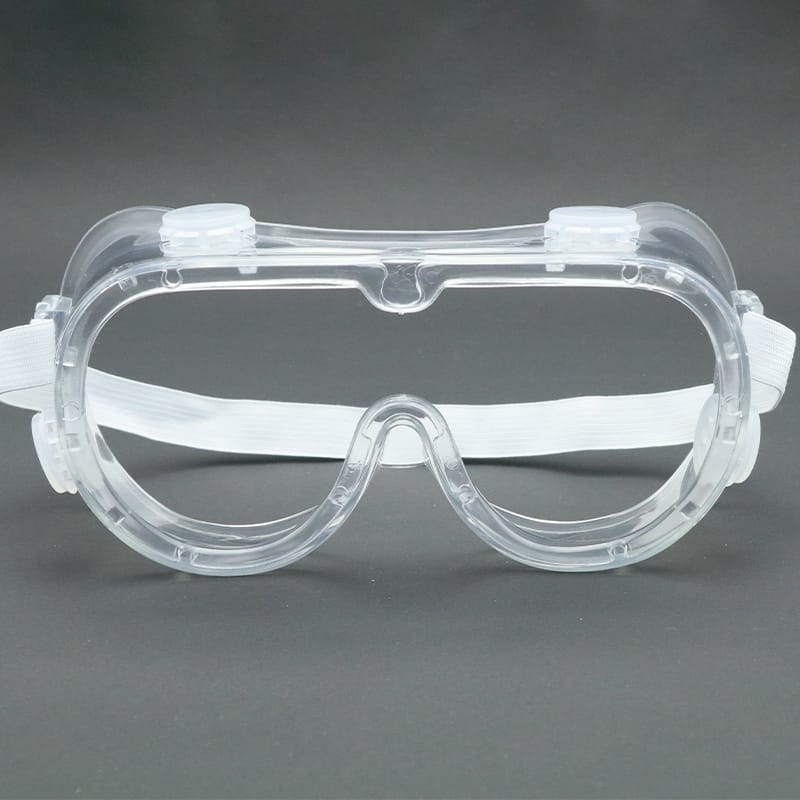
Protective Goggles in Medical Settings: Ensuring Safety and Protection
In medical environments, the safety of healthcare professionals is paramount. Protective goggles play a crucial role in safeguarding the eyes of medical staff from potential hazards, such as infectious droplets, chemicals, and other harmful substances.
Medical goggles are specifically designed to provide a secure and comfortable fit while offering high levels of protection. They are made from durable materials that are resistant to impact and provide a barrier against splashes and sprays.
One of the key benefits of wearing protective goggles in medical settings is the prevention of eye injuries. Healthcare workers often face risks such as exposure to bloodborne pathogens, infectious diseases, and hazardous chemicals. By wearing goggles, they can significantly reduce the likelihood of eye-related injuries and infections.
Moreover, protective goggles also help maintain a sterile environment during medical procedures. They act as a barrier against contaminants, preventing them from entering the eyes and causing potential cross-contamination.
It is essential for healthcare facilities to provide appropriate training on the correct use and maintenance of protective goggles. Proper hygiene practices, including regular cleaning and disinfection of goggles, are crucial to ensure their effectiveness in protecting the wearer.
Overall, protective goggles are indispensable tools in medical settings for ensuring the safety and well-being of healthcare professionals. By investing in quality goggles and promoting their proper use, healthcare facilities can create a safer working environment for their staff and enhance patient care outcomes.
Essential Tips for Proper Use and Maintenance of Medical Protective Goggles
- Always wear protective goggles when working with hazardous materials or equipment.
- Ensure the goggles fit snugly and comfortably over your eyes to provide maximum protection.
- Regularly inspect the goggles for any signs of damage or wear, and replace them if necessary.
- Clean the goggles regularly with mild soap and water to maintain visibility and hygiene.
- Store the goggles in a clean, dry place away from direct sunlight or extreme temperatures.
- Avoid touching the lenses of the goggles to prevent smudges or scratches that may impair vision.
- If wearing prescription glasses, consider using safety goggles that can fit over them for added protection.
- Educate yourself on proper usage and maintenance of protective goggles to ensure their effectiveness.
Always wear protective goggles when working with hazardous materials or equipment.
When working with hazardous materials or equipment in medical settings, it is essential to prioritise safety by always wearing protective goggles. These specialised goggles provide a crucial barrier of protection for the eyes, shielding them from potential harm caused by splashes, chemicals, or other dangerous substances. By adhering to this simple yet critical tip, healthcare professionals can significantly reduce the risk of eye injuries and ensure their well-being while carrying out their duties in a safe and secure manner.
Ensure the goggles fit snugly and comfortably over your eyes to provide maximum protection.
When using protective goggles in medical settings, it is essential to ensure that they fit snugly and comfortably over your eyes. A proper fit not only enhances comfort but also plays a crucial role in providing maximum protection against potential hazards. Goggles that are too loose may allow harmful substances to enter, compromising their effectiveness. By wearing goggles that fit securely, healthcare professionals can minimise the risk of eye injuries and ensure a higher level of safety while carrying out their duties in medical environments.
Regularly inspect the goggles for any signs of damage or wear, and replace them if necessary.
Regularly inspecting protective goggles for any signs of damage or wear is a crucial safety practice in medical settings. By conducting routine checks, healthcare professionals can identify any potential issues that may compromise the effectiveness of the goggles in providing adequate protection. If any damage or wear is detected during inspection, it is essential to replace the goggles promptly to ensure the continued safety of the wearer. Maintaining high-quality protective equipment through regular monitoring and timely replacement contributes to a safer working environment for healthcare staff and supports optimal infection control practices.
Clean the goggles regularly with mild soap and water to maintain visibility and hygiene.
To ensure optimal visibility and hygiene, it is recommended to clean your protective goggles regularly with a gentle soap and water solution. By maintaining cleanliness through regular cleaning, you not only enhance visibility but also uphold proper hygiene standards in medical settings. This simple practice helps to remove dirt, debris, and potential contaminants from the goggles, ensuring that they remain effective in providing protection for healthcare professionals.
Store the goggles in a clean, dry place away from direct sunlight or extreme temperatures.
It is important to store medical protective goggles in a clean, dry location away from direct sunlight or extreme temperatures. Proper storage helps maintain the integrity and effectiveness of the goggles, ensuring they remain in optimal condition for use. Exposure to sunlight and extreme temperatures can potentially damage the materials of the goggles, compromising their protective capabilities. By storing the goggles in a suitable environment, healthcare professionals can prolong their lifespan and continue to rely on them for reliable eye protection in medical settings.
Avoid touching the lenses of the goggles to prevent smudges or scratches that may impair vision.
To maintain the effectiveness of protective goggles in medical settings, it is crucial to avoid touching the lenses. By refraining from touching the lenses, healthcare professionals can prevent smudges or scratches that may compromise visibility and impair their vision. Keeping the lenses clean and free from obstructions ensures that medical staff have a clear line of sight while performing critical procedures, ultimately enhancing safety and precision in patient care.
If wearing prescription glasses, consider using safety goggles that can fit over them for added protection.
When wearing prescription glasses in medical settings, it is advisable to consider using safety goggles that are designed to fit comfortably over them. This additional layer of protection can help ensure that both the eyes and the prescription glasses are shielded from potential hazards such as infectious droplets, chemicals, or other harmful substances. By choosing safety goggles that accommodate prescription glasses, healthcare professionals can enhance their level of protection without compromising their vision or comfort during critical tasks.
Educate yourself on proper usage and maintenance of protective goggles to ensure their effectiveness.
It is vital to educate oneself on the correct usage and maintenance of protective goggles in medical settings to guarantee their efficacy. Understanding how to properly wear, clean, and store protective goggles is essential in maximising their protective capabilities. By adhering to best practices for the use and upkeep of goggles, healthcare professionals can ensure that they provide the necessary protection against potential hazards, contributing to a safer working environment and improved overall safety outcomes.