
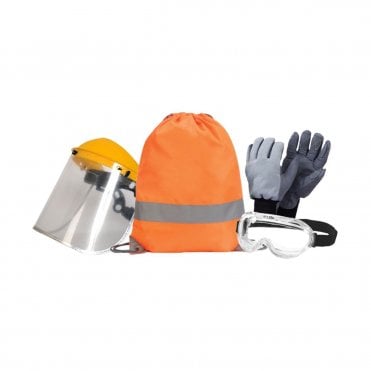
PPE Safety Equipment Near Me: How to Find the Right Protection
Searching for “PPE safety equipment near me” can bring up everything from local workwear shops to specialist safety suppliers. Whether you need protective gear for a building site, workshop, warehouse, healthcare setting or home project, choosing the right equipment is about more than finding the nearest shop. The PPE must suit the hazards, fit correctly and meet the relevant requirements for its intended use.
What counts as PPE?
Personal protective equipment (PPE) is clothing or equipment worn to help protect someone from health and safety risks. Depending on the task, it may include:
- Head protection: safety helmets and bump caps
- Eye and face protection: safety glasses, goggles and face shields
- Hearing protection: earplugs and earmuffs
- Respiratory protection: masks and respirators designed for specific airborne hazards
- Hand protection: gloves selected for risks such as cuts, chemicals or heat
- Foot protection: safety footwear with features such as protective toecaps or slip-resistant soles
- Body protection: high-visibility clothing, coveralls, aprons and specialist protective clothing
- Fall-protection equipment: harnesses and associated equipment for work at height, where required
How to choose a local PPE supplier
A nearby supplier can be useful if you need to try on footwear, check sizing or collect an item quickly. Before visiting, check that the shop stocks the type of PPE you need and ask whether it is suitable for your particular work. A knowledgeable supplier should be able to explain product features, limitations and care instructions.
When comparing local suppliers, consider:
- Product suitability: Does the equipment protect against the specific hazard?
- Fit and comfort: Can you try it on, or get help selecting the right size?
- Product information: Are instructions, warnings and maintenance guidance provided?
- Stock and availability: Is the item in stock, or can it be ordered in?
- After-sales support: Can the supplier help with replacement parts, servicing or repeat orders?
Searching by your town or postcode alongside the item—for example, “safety boots near me” or “respirators near [town]”—can make results more relevant. It is also worth checking opening hours and calling ahead, particularly if you need a specific size or model.
Match PPE to the risk
PPE should be chosen following a suitable assessment of the work and its hazards. A general-purpose mask, glove or pair of safety glasses may not protect against every risk. For example, respiratory protection must be appropriate for the substance and exposure, and some tight-fitting masks require face-fit testing. Gloves also vary: a glove that protects against abrasion may not be suitable for handling chemicals.
Where possible, risks should first be controlled through safer work methods, guarding, ventilation or other measures. PPE is an important part of protection, but it should not automatically be treated as the only solution.
Buying PPE for work in the UK
For workplace use, employers should assess risks and provide suitable PPE where it is needed to protect employees. The equipment should fit the wearer, be compatible with other items being used and be maintained or replaced when necessary. Employees should receive information and training on how to wear, check and care for it.
When buying PPE, check the product’s intended use, instructions and applicable conformity marking. Do not rely on appearance alone: a product that looks like protective equipment is not necessarily suitable or compliant. For specialist hazards, seek advice from a competent health and safety professional or an appropriately qualified supplier.
Check and care for your equipment
Before use, check PPE for damage, wear, contamination and missing parts. Follow the manufacturer’s instructions for cleaning, storage, inspection and replacement. Some equipment has a service life or requires routine inspection; fall-protection equipment, in particular, should be managed in line with the manufacturer’s guidance and relevant work procedures.
Find PPE safety equipment near you
The best local PPE supplier is one that can help you find equipment suited to the job—not simply the closest shop or cheapest product. Identify the hazards, confirm what protection is required, check sizing and product information, and ask questions before buying. Taking these steps can help ensure your PPE is appropriate, comfortable and ready to use safely.
Essential Tips for Choosing and Maintaining PPE from Local Suppliers
- Check nearby suppliers for UKCA-marked PPE.
- Choose PPE suited to the specific hazard.
- Check fit before starting work.
- Inspect equipment for damage before each use.
- Replace worn or expired items promptly.
- Keep reusable PPE clean and store it properly.
- Follow your workplace’s PPE training and guidance.
Check nearby suppliers for UKCA-marked PPE.
When looking for PPE safety equipment near you, check that nearby suppliers offer products bearing the UKCA marking where it is required. This marking indicates that the product meets the applicable Great Britain requirements for the category of PPE. Always check the product information and instructions as well, and make sure the equipment is suitable for the specific hazard and task—marking alone does not guarantee that it is the right choice for your needs.
Choose PPE suited to the specific hazard.
Choose PPE that is designed to protect against the specific hazard you may face. Gloves, masks, eye protection and safety footwear all have different ratings and uses, so a general-purpose item may not provide adequate protection. Check the product information and follow the manufacturer’s guidance, or ask a competent safety professional or specialist supplier if you are unsure.
Check fit before starting work.
Check the fit of your PPE before starting work. It should feel secure and comfortable, without slipping, restricting movement or leaving gaps where hazards could reach you. Make any necessary adjustments and check that items worn together—such as safety glasses, a helmet and hearing protection—work properly as a set. If your equipment does not fit correctly, ask your supervisor or supplier for a suitable alternative before beginning the task.
Inspect equipment for damage before each use.
Before using any PPE, inspect it for damage that could affect its protective performance. Look for cracks, tears, worn areas, loose stitching, broken fastenings or missing parts, and check that the equipment is clean and fits properly. If anything is damaged or you are unsure it is safe to use, take it out of service and replace it or seek advice from the supplier. Always follow the manufacturer’s inspection and care instructions.
Replace worn or expired items promptly.
Replace worn or expired PPE promptly to ensure it continues to provide the protection you need. Cracks, tears, frayed straps, damaged fastenings or faded high-visibility material can reduce effectiveness, while some items have a manufacturer’s expiry date or limited service life. Check equipment regularly, follow the care and replacement instructions, and ask a reputable local PPE supplier if you are unsure whether an item is still safe to use.
Keep reusable PPE clean and store it properly.
Keep reusable PPE clean and store it properly so it remains effective and ready for use. Follow the manufacturer’s instructions for cleaning, drying and maintenance, and check each item for damage or wear before using it again. Store equipment in a clean, dry place away from direct sunlight, chemicals and other sources of damage, keeping it separate from contaminated clothing or tools. If PPE is damaged or can no longer provide reliable protection, replace it.
Follow your workplace’s PPE training and guidance.
Always follow your workplace’s PPE training and guidance. It explains which equipment is suitable for your tasks, how to put it on and adjust it correctly, and how to check, clean and store it. If your PPE is damaged, uncomfortable or does not fit properly, tell your supervisor and ask for advice before continuing work.