
The Importance of Personal Protective Equipment (PPE)
Personal Protective Equipment (PPE) plays a crucial role in ensuring the safety and well-being of individuals across various industries and settings. From healthcare workers to construction professionals, PPE is essential in protecting against potential hazards and risks.
During the ongoing COVID-19 pandemic, the importance of PPE has been highlighted like never before. Healthcare workers on the front lines rely on PPE such as masks, gloves, gowns, and face shields to protect themselves and prevent the spread of the virus. Without adequate PPE, these essential workers would be at a much higher risk of infection.
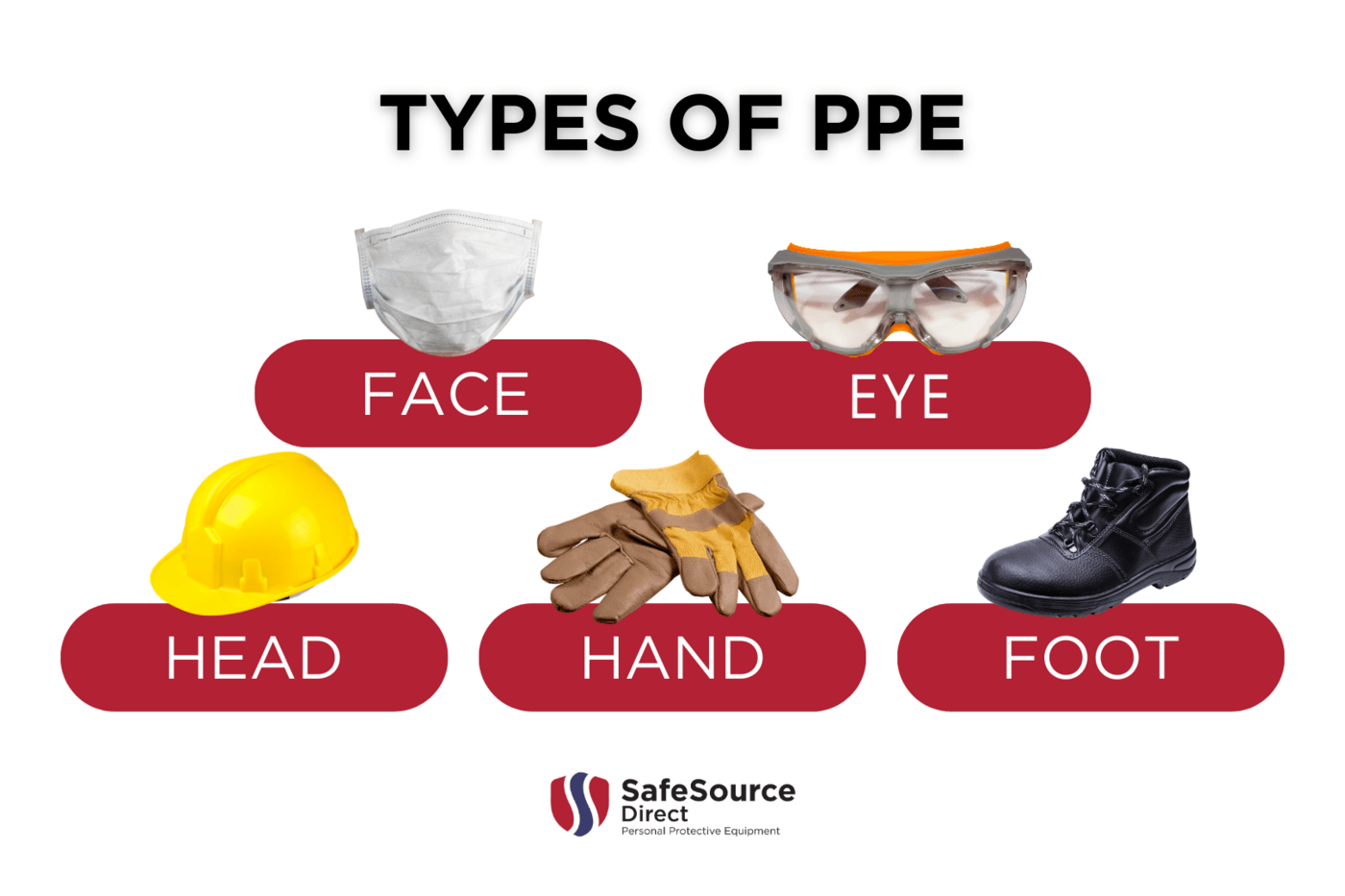
Similarly, in industries such as construction, manufacturing, and agriculture, workers are exposed to various occupational hazards that can result in injuries or illnesses. PPE such as hard hats, safety goggles, gloves, and steel-toed boots are vital in reducing the risk of accidents and ensuring worker safety.
Employers have a legal responsibility to provide their employees with appropriate PPE and ensure that it is used correctly. Proper training on how to wear and maintain PPE is also essential to maximise its effectiveness.
It is important for individuals to understand the specific PPE requirements for their job roles and environments. By using the right PPE consistently and correctly, individuals can significantly reduce their risk of injury or illness while carrying out their duties.
Ultimately, investing in quality PPE not only protects individuals but also contributes to a safer working environment overall. By prioritising the use of PPE, we can create a culture of safety and reduce accidents and incidents in various workplaces.
Essential FAQs on Personal Protective Equipment (PPE) Requirements and Types
- What is PPE required for?
- What is PPE and why is PPE needed?
- What PPE is needed?
- What are 7 types of PPE?
- What does PPE stand for?
- What are the PPE needed?
What is PPE required for?
Personal Protective Equipment (PPE) is required for a wide range of purposes to ensure the safety and well-being of individuals in various industries and settings. PPE serves as a vital line of defence against potential hazards, risks, and exposure to harmful substances. Whether it is in healthcare, construction, manufacturing, or any other field where individuals may face physical, chemical, biological, or ergonomic hazards, the use of appropriate PPE is essential to protect against injuries, illnesses, and other health risks. By providing a barrier between the individual and the potential dangers present in their environment, PPE plays a crucial role in safeguarding the health and safety of workers and ensuring compliance with relevant regulations and standards.
What is PPE and why is PPE needed?
Personal Protective Equipment (PPE) refers to protective gear designed to safeguard individuals from potential health and safety hazards in various environments. PPE includes items such as masks, gloves, helmets, goggles, and more, depending on the specific risks present. PPE is needed to provide a physical barrier between individuals and workplace hazards, reducing the risk of injury or illness. By wearing appropriate PPE, individuals can protect themselves from exposure to harmful substances, prevent accidents, and ensure their safety while performing tasks that may pose risks. Employers are responsible for providing suitable PPE and ensuring that it is used correctly to maintain a safe working environment for all employees.
What PPE is needed?
Determining the specific Personal Protective Equipment (PPE) needed depends on the nature of the task or environment in question. Common types of PPE include gloves, safety goggles, face masks, hard hats, ear protection, and high-visibility clothing. Healthcare settings may require additional PPE such as gowns and face shields to prevent the transmission of infectious diseases. It is crucial to conduct a thorough risk assessment to identify potential hazards and select the appropriate PPE to mitigate those risks effectively. Proper training on the correct use and maintenance of PPE is also essential to ensure maximum protection for individuals in various work settings.
What are 7 types of PPE?
Personal Protective Equipment (PPE) encompasses a range of essential gear designed to safeguard individuals against potential hazards in various environments. The seven main types of PPE include head protection (such as helmets or hard hats), eye protection (safety glasses or goggles), hearing protection (earplugs or earmuffs), hand protection (gloves), respiratory protection (masks or respirators), foot protection (safety boots or shoes), and body protection (coveralls, vests, or aprons). Each type of PPE serves a specific purpose in minimising the risk of injury or illness, highlighting the importance of selecting and using the appropriate equipment based on the nature of the task and potential hazards present.
What does PPE stand for?
Personal Protective Equipment (PPE) is an essential term that refers to equipment or clothing worn to minimise exposure to hazards that may cause injury or illness in the workplace. PPE includes items such as gloves, masks, goggles, helmets, and vests, designed to protect individuals from various risks depending on their specific job roles and environments. Understanding the significance of PPE and its proper use is crucial in promoting safety and preventing accidents in different industries and settings.
What are the PPE needed?
When considering the question “What are the PPE needed?”, it is important to understand that the specific Personal Protective Equipment (PPE) required can vary depending on the nature of the job or task being performed. Common types of PPE include safety helmets, gloves, eye protection, high-visibility clothing, safety footwear, and respiratory protective equipment. The selection of appropriate PPE should be based on a thorough risk assessment to identify potential hazards and determine the level of protection required. It is crucial for individuals to be properly trained in the correct use and maintenance of PPE to ensure its effectiveness in safeguarding against workplace hazards.