
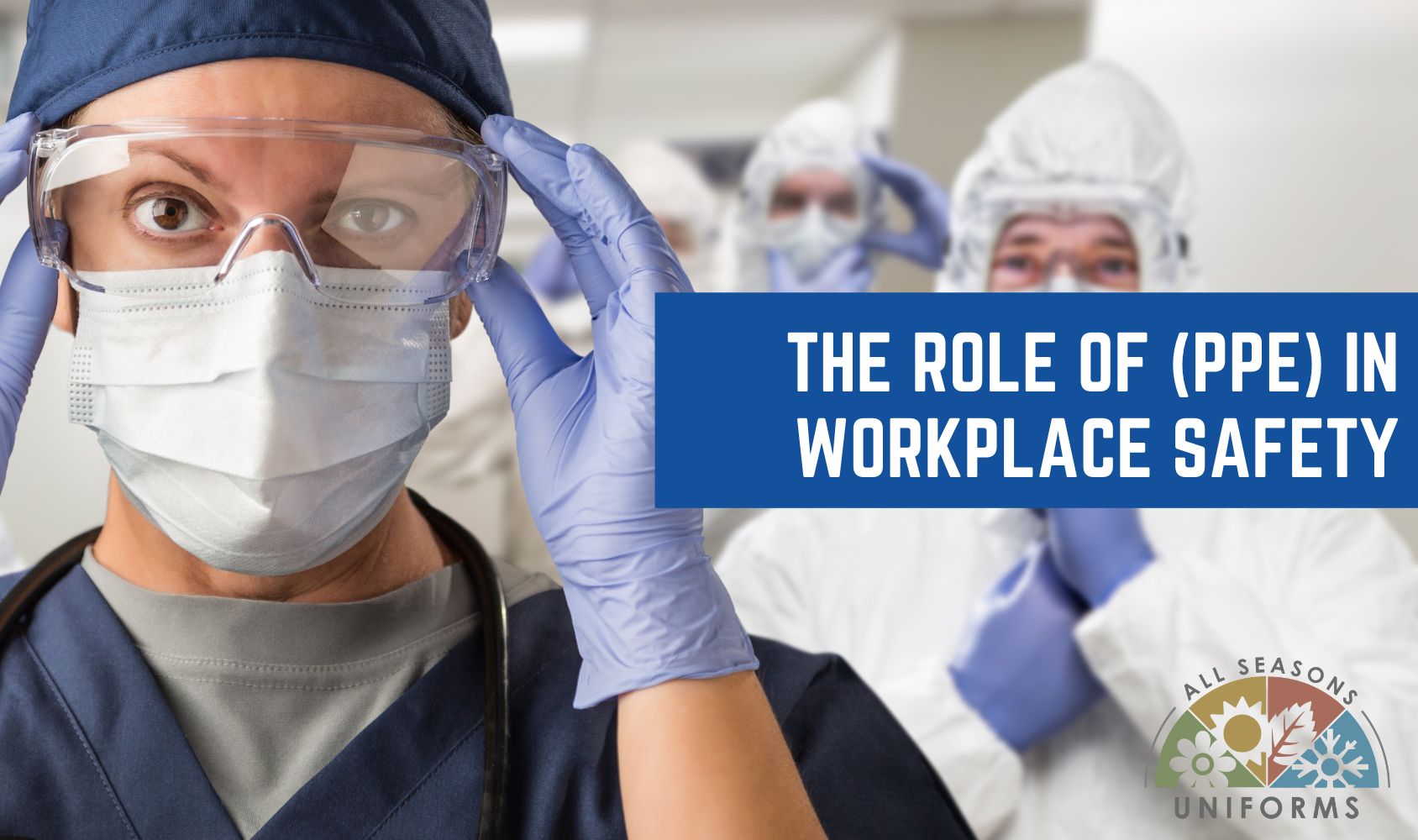
The Importance of PPE in Industrial Safety
Personal Protective Equipment (PPE) plays a crucial role in ensuring the safety and well-being of workers in industrial settings. PPE refers to equipment and clothing designed to protect individuals from various workplace hazards that could cause injury or illness.
One of the primary reasons why PPE is essential in industrial safety is to minimise the risk of accidents and injuries. In industries such as construction, manufacturing, and mining, workers are exposed to a range of dangers, including falling objects, chemical spills, loud noises, and more. Wearing appropriate PPE such as helmets, safety goggles, ear defenders, gloves, and steel-toe boots can significantly reduce the likelihood of harm.
PPE also serves as a barrier against occupational health risks. Exposure to hazardous substances like chemicals, dust particles, and fumes can have long-term health effects on workers. Respiratory masks, coveralls, and gloves are examples of PPE that can shield individuals from these harmful substances and prevent respiratory issues or skin conditions.
Furthermore, implementing a comprehensive PPE programme demonstrates an organisation’s commitment to prioritising employee safety. By providing workers with the necessary protective gear and ensuring its proper use through training and supervision, employers create a safer work environment that fosters trust and confidence among their workforce.
In conclusion, PPE is an indispensable component of industrial safety that safeguards workers from immediate dangers and long-term health risks. Employers must invest in high-quality protective equipment, enforce its use consistently, and regularly assess the effectiveness of their PPE programme to ensure the well-being of their employees.
Essential FAQs on PPE in Industrial Safety: Understanding Its Importance, Types, and Regulations
- What is PPE in industrial safety?
- Why is PPE important in industrial workplaces?
- What are the different types of PPE used in industrial settings?
- How should employers determine the appropriate PPE for their workers?
- Are there regulations or standards that govern the use of PPE in industries?
- What training should employees receive regarding the proper use of PPE?
- How often should PPE be inspected and replaced in industrial environments?
- What are the consequences of not using proper PPE in industrial safety?
- How can employees raise concerns about inadequate or faulty PPE?
What is PPE in industrial safety?
Personal Protective Equipment (PPE) in industrial safety refers to specialized gear and clothing designed to protect workers from potential hazards in the workplace. PPE includes items such as helmets, safety goggles, gloves, ear defenders, high-visibility clothing, and respiratory masks. The primary purpose of PPE is to minimise the risk of injury or illness by creating a physical barrier between the worker and workplace hazards. Employers are responsible for providing appropriate PPE to their employees and ensuring that it is worn correctly to maintain a safe working environment. Understanding the importance of PPE in industrial safety is crucial for both employers and employees to prevent accidents and protect against occupational health risks.
Why is PPE important in industrial workplaces?
Personal Protective Equipment (PPE) is crucial in industrial workplaces for several reasons. Firstly, PPE serves as a vital line of defence against various workplace hazards, such as falling objects, chemical exposures, loud noises, and more. By wearing appropriate PPE like helmets, safety goggles, gloves, and protective clothing, workers can significantly reduce the risk of injuries and accidents. Secondly, PPE acts as a shield against occupational health risks posed by exposure to harmful substances like chemicals and dust particles. Respiratory masks, gloves, and coveralls help protect workers from long-term health issues. Overall, the importance of PPE in industrial workplaces lies in its ability to safeguard employees from immediate dangers and ensure their well-being in hazardous environments.
What are the different types of PPE used in industrial settings?
In industrial settings, various types of Personal Protective Equipment (PPE) are utilised to safeguard workers from potential hazards. Commonly used PPE includes head protection such as helmets to prevent head injuries from falling objects, safety goggles or face shields to shield the eyes from debris or chemicals, ear defenders to reduce exposure to loud noises, gloves to protect hands from cuts, burns, or chemical contact, and steel-toe boots to prevent foot injuries. Additionally, respiratory masks are crucial for safeguarding against airborne contaminants, while coveralls and aprons offer full-body protection against chemical splashes or dust. Each type of PPE serves a specific purpose in ensuring the safety and well-being of workers in industrial environments.
How should employers determine the appropriate PPE for their workers?
When determining the appropriate Personal Protective Equipment (PPE) for their workers, employers should conduct a thorough risk assessment of the workplace. This assessment involves identifying potential hazards that employees may encounter during their tasks, such as exposure to chemicals, noise levels, or physical hazards. By understanding these risks, employers can then select the necessary PPE to mitigate them effectively. It is crucial for employers to consider factors such as the type of work being performed, the level of protection required, and the comfort and fit of the PPE for optimal use. Regular consultation with health and safety professionals and involving employees in the decision-making process can also help ensure that the chosen PPE meets the specific needs and safety requirements of the workforce.
Are there regulations or standards that govern the use of PPE in industries?
In the realm of industrial safety, the use of Personal Protective Equipment (PPE) is governed by a set of regulations and standards to ensure the highest level of protection for workers. In the UK, the Health and Safety Executive (HSE) provides guidelines and requirements regarding the selection, use, and maintenance of PPE in various industries. These regulations outline specific PPE types suitable for different hazards, mandate proper training for employees on PPE usage, and stress the importance of regular inspections to guarantee equipment effectiveness. Adhering to these regulations not only promotes a safer work environment but also helps employers fulfil their legal duty to protect their workforce from potential risks.
What training should employees receive regarding the proper use of PPE?
When it comes to the proper use of Personal Protective Equipment (PPE) in industrial settings, employees should receive comprehensive training to ensure their safety. Training on PPE usage should cover a range of topics, including the correct selection, fitting, and maintenance of protective gear. Employees must understand the specific hazards they may encounter in their work environment and learn how to identify the appropriate PPE required to mitigate those risks effectively. Additionally, training should emphasise the importance of wearing PPE consistently and correctly, as well as how to inspect equipment for damage or wear and when to replace it. Regular refresher courses and updates on PPE guidelines are also crucial to keep employees informed and compliant with safety protocols.
How often should PPE be inspected and replaced in industrial environments?
In industrial environments, it is crucial to regularly inspect and replace Personal Protective Equipment (PPE) to ensure its effectiveness in safeguarding workers. The frequency of inspection and replacement of PPE varies depending on the type of equipment, the level of exposure to hazards, and manufacturer recommendations. Generally, PPE should be inspected before each use to check for signs of damage or wear. If any defects are found during inspection or if the equipment has reached its expiry date, it should be replaced immediately to maintain optimal protection for workers. Regular training on proper inspection and maintenance of PPE is essential to promote a culture of safety and compliance with industry regulations.
What are the consequences of not using proper PPE in industrial safety?
Failing to use proper Personal Protective Equipment (PPE) in industrial safety can have severe consequences for workers and employers alike. Without adequate PPE, individuals are at a higher risk of sustaining injuries from workplace hazards such as falls, chemical exposure, burns, or impact injuries. Additionally, the absence of appropriate PPE can lead to long-term health issues due to prolonged exposure to harmful substances or conditions. From a business perspective, not enforcing the use of proper PPE can result in increased absenteeism, reduced productivity, costly legal penalties for non-compliance with safety regulations, and damage to the company’s reputation. It is crucial for both employees and employers to understand the critical importance of using the correct PPE to prevent accidents, protect health, and maintain a safe working environment.
How can employees raise concerns about inadequate or faulty PPE?
In situations where employees have concerns about inadequate or faulty Personal Protective Equipment (PPE) in industrial settings, it is crucial for them to follow the established protocols for reporting such issues. Employees should first raise their concerns with their immediate supervisor or safety officer, providing specific details about the PPE concern and any potential risks involved. If the matter is not addressed satisfactorily at this level, employees can escalate their concerns to higher management or the designated health and safety representative within the organisation. It is essential for employees to communicate openly and promptly about any PPE-related issues to ensure a safe working environment for themselves and their colleagues.