
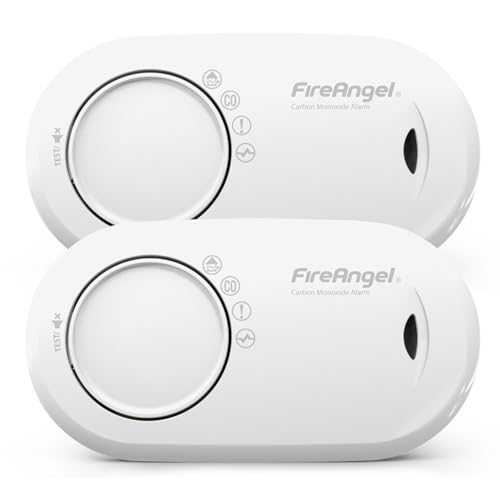
Portable CO Detectors for Travel: A Simple Guide
Carbon monoxide (CO) is a poisonous gas that has no colour, smell or taste. It can be produced when fuels such as gas, oil, wood, charcoal or petrol do not burn properly. At home, a properly installed CO alarm can provide an important warning. When travelling, a portable CO detector may offer an extra layer of reassurance in accommodation where you are unfamiliar with the heating and appliances.
Why take a CO detector when travelling?
Hotels, rented holiday homes, caravans, boats and other accommodation may contain fuel-burning appliances, such as boilers, heaters, cookers or fireplaces. Poor ventilation, faulty equipment or blocked flues can allow CO to build up. A portable detector can alert you if it senses dangerous levels, giving you a chance to leave and seek help.
A travel detector is a precaution, not a guarantee of safety. It does not replace a correctly fitted and maintained alarm in a home, caravan or boat, and it cannot prevent CO from being produced.
Choosing a suitable detector
- Check the intended use. Choose a detector designed for the environments in which you plan to use it. For caravans and boats, look for a product suitable for those settings and compliant with the relevant standard, such as BS EN 50291-2.
- Buy from a reputable supplier. Check the product’s specifications, certification, instructions and warranty. Be wary of products with unclear safety claims.
- Consider power and battery life. Check whether it uses replaceable batteries, rechargeable power or a sealed battery, and how long it can operate between charges or replacements.
- Check its age and expiry date. CO detectors have a limited working life. Follow the manufacturer’s guidance on testing, battery replacement and when to replace the device.
- Choose a practical design. A compact detector is easier to pack, but it must still be suitable for the accommodation and straightforward to use.
Using a detector in your accommodation
Read the instructions before your trip and test the device as directed. Once you arrive, follow the manufacturer’s guidance on where to place it. Do not assume that clipping it to a bag or placing it beside your bed is the correct position; placement requirements vary between products and settings.
Do not cover or obstruct the detector, and keep it away from conditions or substances that the instructions identify as unsuitable. If you are staying in a caravan or boat, use a model intended for that environment and follow the relevant placement advice.
Take a moment to look around your accommodation. Check that fuel-burning appliances appear to be in good condition and that vents are not blocked. If an appliance seems damaged, has an unusual flame, produces soot, or gives off fumes, do not use it. Contact the accommodation provider and ask for it to be checked.
Camping and outdoor trips
Portable CO detectors can be useful on some trips, but they are not a reason to use fuel-burning equipment in an enclosed space. Never use a barbecue, charcoal grill, camping stove, portable heater or generator inside a tent, awning, caravan or other enclosed area unless the equipment is specifically designed and approved for that use. Follow the appliance instructions and keep generators and other exhaust-producing equipment well away from doors, windows and vents.
What to do if the alarm sounds
If your detector alarms, or anyone develops symptoms that could be caused by CO, get everyone outside into fresh air straight away. Symptoms can include headache, dizziness, nausea, weakness, confusion, chest pain and shortness of breath. They may improve when you leave the building and return when you go back inside.
- Do not ignore the alarm or search for the source of the CO.
- Do not go back inside until it has been confirmed safe.
- Call the local emergency services if someone is seriously unwell or in immediate danger. In the UK, call 999.
- Seek medical advice if anyone may have been exposed, even if they feel better outdoors.
- Tell the property owner or accommodation provider, but do not rely on them instead of getting to safety.
A small precaution for a safer trip
A portable CO detector is a compact item that may provide valuable warning when you are staying somewhere unfamiliar. Choose one suited to your type of travel, check it before you leave and use it exactly as the manufacturer instructs. Most importantly, treat any alarm seriously and leave the area immediately.
Top 9 Advantages of Using a Portable CO Detector for Travel Safety
- Offers an extra layer of safety in unfamiliar accommodation.
- Can alert you to carbon monoxide you cannot see or smell.
- Compact models are easy to pack.
- Useful in hotels, holiday lets and caravans.
- May provide reassurance while travelling.
- Can help identify a potential CO issue early.
- Battery-powered options work without a mains socket.
- Simple to test and use when instructions are followed.
- Suitable models can support safer trips on boats or in motorhomes.
Considerations for Travelling with a Portable CO Detector: Weighing the Cons
- Adds extra weight and takes up luggage space.
- Requires regular battery checks or charging.
- Needs correct placement to work effectively.
- Has a limited lifespan and must be replaced.
- May give false alarms if used incorrectly.
- Cannot prevent carbon monoxide leaks or replace safe appliances.
Offers an extra layer of safety in unfamiliar accommodation.
A portable carbon monoxide (CO) detector offers an extra layer of safety when staying in unfamiliar accommodation, such as a hotel, holiday rental, caravan or boat. As you may not know how well fuel-burning appliances have been maintained, a detector can alert you to potentially dangerous CO levels and give you time to get everyone outside and seek help.
Can alert you to carbon monoxide you cannot see or smell.
A portable carbon monoxide (CO) detector can alert you to dangerous levels of the gas, which is impossible to see or smell. This makes it a useful extra precaution when staying in unfamiliar accommodation, where a faulty heater, boiler or other fuel-burning appliance could create a risk without any obvious warning.
Compact models are easy to pack.
Compact portable carbon monoxide (CO) detectors are easy to slip into a suitcase or travel bag, so they take up little space alongside your other essentials. This makes them convenient for trips where you may stay in unfamiliar accommodation, such as hotels, holiday lets, caravans or boats.
Useful in hotels, holiday lets and caravans.
A portable carbon monoxide (CO) detector can offer extra reassurance when staying in hotels, holiday lets or caravans, where you may be unfamiliar with the heating and cooking appliances. Easy to take on a trip, it can alert you to potentially dangerous CO levels and help you act quickly. Always choose a detector suitable for your type of accommodation and follow the manufacturer’s instructions for use and placement.
May provide reassurance while travelling.
A portable carbon monoxide (CO) detector may provide extra reassurance while travelling, particularly when staying in unfamiliar accommodation with fuel-burning appliances. Knowing that a detector is on hand can help you feel more confident, while still remembering to follow safety guidance and take any alarm seriously.
Can help identify a potential CO issue early.
A portable CO detector can help identify a potential carbon monoxide issue early, particularly when you’re staying somewhere unfamiliar. If it detects dangerous levels of CO, it can alert you so you can leave the area and seek help before exposure becomes more serious.
Battery-powered options work without a mains socket.
Battery-powered portable CO detectors work without a mains socket, making them useful in places where power points are limited or unavailable. They can be taken into a range of accommodation, including tents, caravans, boats and holiday rentals, without needing to be plugged in. Check the battery before travelling and follow the manufacturer’s instructions for testing and replacement.
Simple to test and use when instructions are followed.
Portable CO detectors are generally simple to test and use when you follow the manufacturer’s instructions. Before travelling, check how to test the alarm, understand what its warning signals mean and make sure the batteries or charge are sufficient. Using the detector as directed helps you feel confident that it is ready to alert you if carbon monoxide is detected.
Suitable models can support safer trips on boats or in motorhomes.
A portable CO detector designed for use in boats or motorhomes can provide an extra warning if carbon monoxide builds up around fuel-burning appliances. Because these vehicles and vessels have enclosed spaces and may use heaters, cookers or engines, choosing a model suitable for the setting—and positioning it according to the manufacturer’s instructions—can help make trips safer.
Adds extra weight and takes up luggage space.
One drawback of a portable CO detector is that it adds another item to pack. Although many models are compact, they still take up room in your luggage and add a little extra weight, which can be inconvenient when travelling light or trying to meet strict baggage limits.
Requires regular battery checks or charging.
A portable CO detector also needs regular attention to keep it ready for use. Depending on the model, you may need to check or replace its batteries, or make sure it is fully charged before each trip. If the battery runs flat, the detector may not alert you to danger, so add a quick power check to your pre-travel routine and follow the manufacturer’s instructions.
Needs correct placement to work effectively.
A portable CO detector needs to be placed correctly to work effectively. Its position can affect how quickly it detects carbon monoxide, and the best location may vary depending on the accommodation and the detector’s design. Follow the manufacturer’s instructions carefully, rather than assuming that placing it near your bed or attaching it to your luggage will provide reliable protection.
Has a limited lifespan and must be replaced.
One drawback of a portable CO detector is that it has a limited lifespan and will eventually need replacing. The sensor can become less reliable over time, even if the device still appears to work, so check the manufacturer’s guidance for its expiry date and replace it when recommended. This adds an ongoing cost and means remembering to check the detector before each trip.
May give false alarms if used incorrectly.
A portable CO detector may give a false alarm if it is placed or used incorrectly. For example, positioning it too close to cooking fumes, cleaning products, high humidity or other conditions identified in the manufacturer’s instructions could affect its readings. Always follow the guidance on where to place and how to maintain the detector, and never dismiss an alarm as false until you and others are safely outside and the situation has been checked.
Cannot prevent carbon monoxide leaks or replace safe appliances.
A portable CO detector can warn you if it senses carbon monoxide, but it cannot prevent a leak or make faulty equipment safe. It should never be treated as a substitute for properly maintained appliances, clear ventilation and regular safety checks.