
The Importance of Medical First Aid
Medical first aid plays a crucial role in saving lives and preventing further injury or harm in emergency situations. Whether it’s a minor accident at home or a major incident in the workplace, having individuals trained in first aid can make a significant difference.
One of the key benefits of medical first aid is its ability to provide immediate assistance before professional medical help arrives. In many cases, administering basic first aid techniques promptly can stabilise a patient’s condition and improve their chances of recovery.
First aid training equips individuals with essential skills such as CPR, wound care, and managing common medical emergencies. These skills are not only valuable in emergency situations but also empower individuals to take action when needed, potentially saving lives.
In addition to providing immediate care, medical first aid also helps create a safer environment for everyone. By having trained individuals on hand to respond quickly to accidents or injuries, workplaces, schools, and communities can enhance their overall safety protocols.
Furthermore, knowing that there are trained first aiders available can instil confidence and reassurance among members of the community. People are more likely to feel secure and supported knowing that help is nearby in case of an emergency.
In conclusion, medical first aid is an invaluable skill that can make a real difference in emergency situations. By promoting first aid training and ensuring access to basic medical supplies, we can create safer environments and empower individuals to take proactive steps towards better health and well-being.
Essential FAQs on Medical First Aid: Legal Requirements, Definitions, Basic Steps, and Key Medicines
- What is the legal requirement for first-aiders?
- What is the medical first aid?
- What are the 7 basic steps of first aid?
- What are 10 medicines in a first aid kit?
What is the legal requirement for first-aiders?
In the context of medical first aid, a frequently asked question pertains to the legal requirements for first-aiders. Employers in the UK have a legal obligation to provide adequate first aid provisions in the workplace under the Health and Safety (First-Aid) Regulations 1981. This includes having a sufficient number of trained first-aiders based on the size and nature of the workforce, as well as ensuring that first-aid equipment and facilities are readily available. First-aiders must undergo appropriate training to effectively respond to emergencies and provide necessary care until professional medical help arrives. Compliance with these legal requirements is essential to safeguarding the health and well-being of employees and visitors in various settings.
What is the medical first aid?
Medical first aid refers to the immediate assistance and care provided to an individual who has been injured or taken ill suddenly. It involves the application of basic medical techniques and procedures by trained individuals to stabilise the person’s condition until professional medical help arrives. Medical first aid encompasses a range of skills, including assessing the situation, administering CPR, treating wounds, managing fractures, and addressing common medical emergencies. The primary goal of medical first aid is to preserve life, prevent further harm, and promote recovery. By having individuals trained in first aid, communities can ensure a prompt and effective response to emergencies, ultimately saving lives and reducing the severity of injuries.
What are the 7 basic steps of first aid?
When it comes to providing essential medical first aid, understanding the 7 basic steps is crucial. These steps serve as a fundamental guide for effectively responding to emergencies and providing immediate care to those in need. The 7 basic steps of first aid typically include assessing the situation, ensuring safety for yourself and the casualty, contacting emergency services, checking the casualty’s airway and breathing, performing CPR if necessary, controlling any bleeding or injuries, and providing comfort and reassurance until professional help arrives. By familiarising oneself with these key steps, individuals can act promptly and confidently in emergency situations, potentially saving lives and minimising further harm.
What are 10 medicines in a first aid kit?
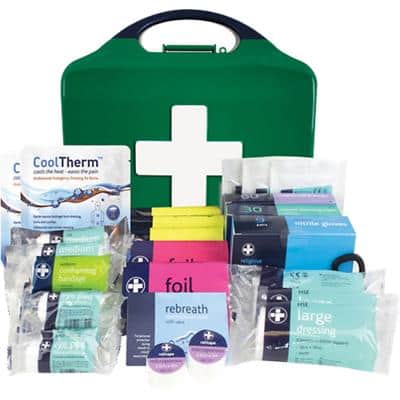
When assembling a first aid kit, it is essential to include a selection of commonly used medicines to address various minor ailments and injuries. Ten medicines that are often recommended for inclusion in a first aid kit are antiseptic wipes or solution for wound cleaning, adhesive plasters or bandages for covering cuts and scrapes, sterile gauze pads for dressing wounds, adhesive tape for securing bandages, pain relief medication such as paracetamol or ibuprofen, antihistamine tablets for allergic reactions, hydrocortisone cream for insect bites and rashes, rehydration sachets for treating dehydration, antacids for indigestion or heartburn relief, and blister plasters for preventing and treating blisters. These medicines can help provide immediate relief and support in managing common medical issues until further professional help is obtained.