
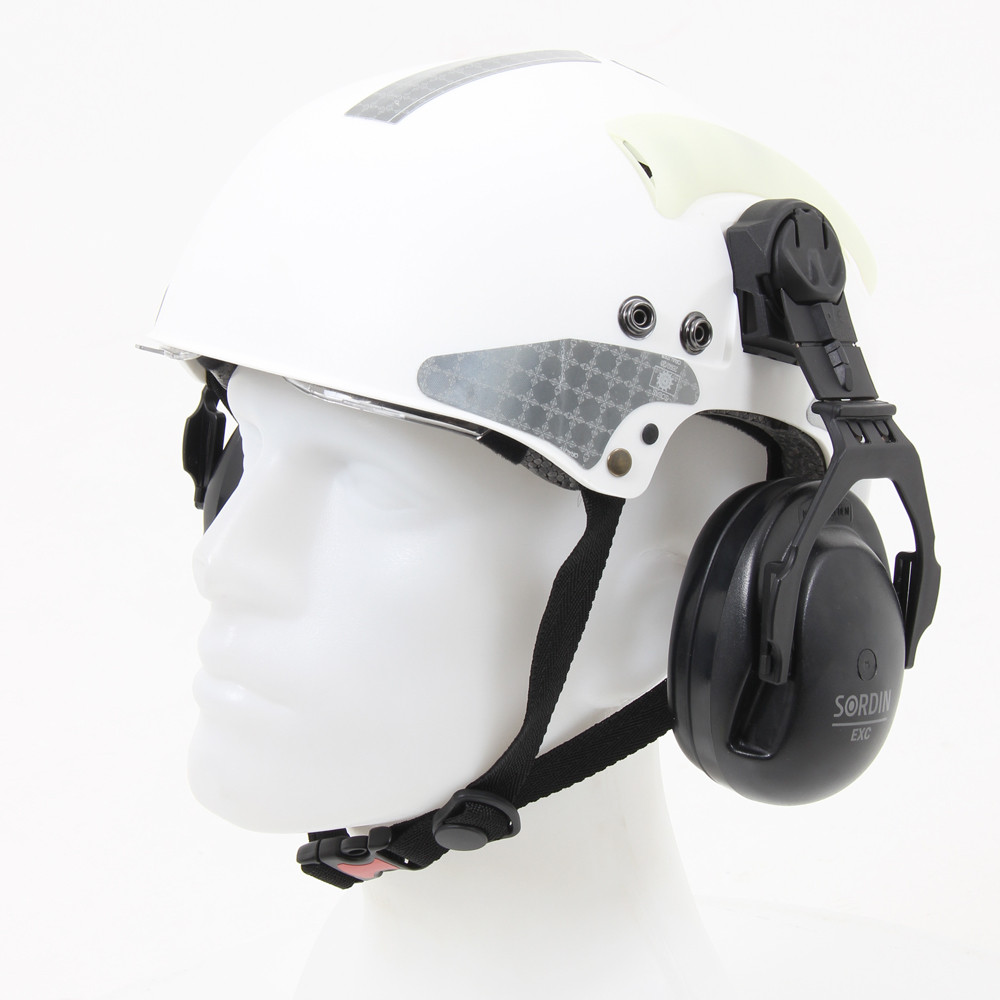
The Importance of Helmet Hearing Protection
When it comes to safety gear for various activities, helmets are often the first thing that comes to mind. Helmets protect our heads from impact and reduce the risk of serious injury in case of accidents. However, one aspect of safety that is sometimes overlooked is hearing protection.
Many helmets, especially those designed for activities like motorcycling, cycling, or construction work, can also incorporate features for protecting your hearing. These helmets are equipped with built-in ear protection or can accommodate earmuffs or earplugs to help reduce the risk of hearing damage from loud noises.
Exposure to loud noises over time can lead to hearing loss and other auditory problems. Activities such as riding a motorcycle, operating heavy machinery, or working in construction sites expose individuals to high levels of noise that can be damaging to their hearing health.
Helmet hearing protection works by reducing the intensity of loud sounds that reach your ears while still allowing you to hear important signals and communications. This means you can protect your ears without compromising your ability to stay aware of your surroundings.
It is essential for individuals who engage in noisy activities while wearing helmets to invest in proper helmet hearing protection. By incorporating this additional safety feature into your helmet gear, you are taking proactive steps towards safeguarding not just your head but also your hearing health.
Remember, prevention is always better than cure when it comes to protecting your senses. So next time you gear up with a helmet for any activity, consider adding helmet hearing protection as an integral part of your safety routine.
Essential Tips for Ensuring Effective Hearing Protection with Helmets
- Always ensure the helmet fits properly to provide adequate hearing protection.
- Inspect the helmet regularly for any signs of wear or damage that may affect its effectiveness.
- Clean the helmet according to manufacturer’s instructions to maintain its performance.
- Store the helmet in a clean and dry place when not in use to prevent deterioration.
- Avoid modifying the helmet as it may compromise its ability to protect your hearing.
- Wear the helmet consistently in noisy environments to safeguard your hearing health.
- Replace the helmet if it no longer provides a snug fit or if it shows signs of wear and tear.
- Consider investing in high-quality helmets for better long-term protection.
- Seek professional advice when selecting a suitable helmet for specific noise levels or activities.
Always ensure the helmet fits properly to provide adequate hearing protection.
It is crucial to always ensure that the helmet fits properly to provide adequate hearing protection. A well-fitted helmet not only safeguards your head but also plays a significant role in protecting your hearing health. A snug and secure helmet creates a seal around your ears, helping to block out excessive noise and reduce the risk of hearing damage from loud environments. By taking the time to adjust and fit your helmet correctly, you can enhance its effectiveness in providing comprehensive protection for both your head and your ears during various activities.
Inspect the helmet regularly for any signs of wear or damage that may affect its effectiveness.
It is crucial to inspect your helmet regularly for any signs of wear or damage that could compromise its effectiveness in providing protection, including the helmet hearing protection feature. Check for cracks, dents, or any other visible damage that may weaken the helmet’s structure. By conducting routine inspections, you can ensure that your helmet remains in optimal condition to effectively safeguard your head and hearing during activities that expose you to potential risks.
Clean the helmet according to manufacturer’s instructions to maintain its performance.
To ensure the optimal performance of your helmet’s hearing protection, it is crucial to clean the helmet following the manufacturer’s instructions. Proper maintenance not only prolongs the lifespan of your helmet but also ensures that the hearing protection features remain effective. By adhering to the recommended cleaning guidelines, you can help preserve the integrity of the materials and mechanisms that contribute to protecting your ears from harmful noise levels. Regular cleaning and maintenance will not only keep your helmet in top condition but also guarantee that your hearing remains safeguarded during various activities.
Store the helmet in a clean and dry place when not in use to prevent deterioration.
It is important to store your helmet in a clean and dry place when not in use to prevent deterioration. Moisture and dirt can degrade the materials of the helmet over time, compromising its effectiveness in protecting you. By keeping your helmet in a clean and dry environment, you can ensure that it remains in good condition and ready for use whenever you need it, extending its lifespan and maintaining its protective qualities.
Avoid modifying the helmet as it may compromise its ability to protect your hearing.
Modifying your helmet can compromise its ability to protect your hearing. It is essential to avoid altering the design or structure of the helmet, as this can affect its effectiveness in reducing noise levels and safeguarding your hearing. Stick to using approved helmet hearing protection accessories that are specifically designed to work seamlessly with your helmet, ensuring that you maintain both the integrity of the protective gear and the safety of your ears.
Wear the helmet consistently in noisy environments to safeguard your hearing health.
To safeguard your hearing health, it is crucial to wear your helmet consistently in noisy environments. By ensuring that your helmet is equipped with proper hearing protection features and wearing it consistently during activities such as motorcycling, construction work, or any other noisy environment, you can effectively reduce the risk of hearing damage from loud noises. Consistency in wearing your helmet with hearing protection not only protects your ears from potential harm but also promotes a proactive approach towards maintaining good auditory health in the long run.
Replace the helmet if it no longer provides a snug fit or if it shows signs of wear and tear.
It is crucial to replace your helmet if it no longer offers a secure and snug fit or displays signs of wear and tear. A properly fitting helmet is essential for optimal protection in case of accidents, as it ensures that the helmet stays in place and functions effectively. Signs of wear and tear, such as cracks, dents, or loose padding, can compromise the helmet’s structural integrity and reduce its ability to safeguard you. By promptly replacing a helmet that no longer meets safety standards, you are prioritising your well-being and ensuring that you have reliable head protection when you need it most.
Consider investing in high-quality helmets for better long-term protection.
When it comes to safeguarding your hearing health, one crucial tip to keep in mind is to consider investing in high-quality helmets that offer superior long-term protection. Opting for helmets with built-in or compatible hearing protection features not only ensures the safety of your head but also prioritises the well-being of your ears. By choosing top-notch helmets designed to reduce noise exposure effectively, you are making a proactive investment in your overall safety and health for the future.
Seek professional advice when selecting a suitable helmet for specific noise levels or activities.
When it comes to ensuring effective helmet hearing protection, it is crucial to seek professional advice when selecting a suitable helmet for specific noise levels or activities. Consulting with professionals who specialise in hearing protection can help you choose the right helmet that offers the best level of noise reduction without compromising safety or comfort. By taking this proactive step, you can ensure that your helmet not only protects your head but also safeguards your hearing health during various activities where noise exposure is a concern.