
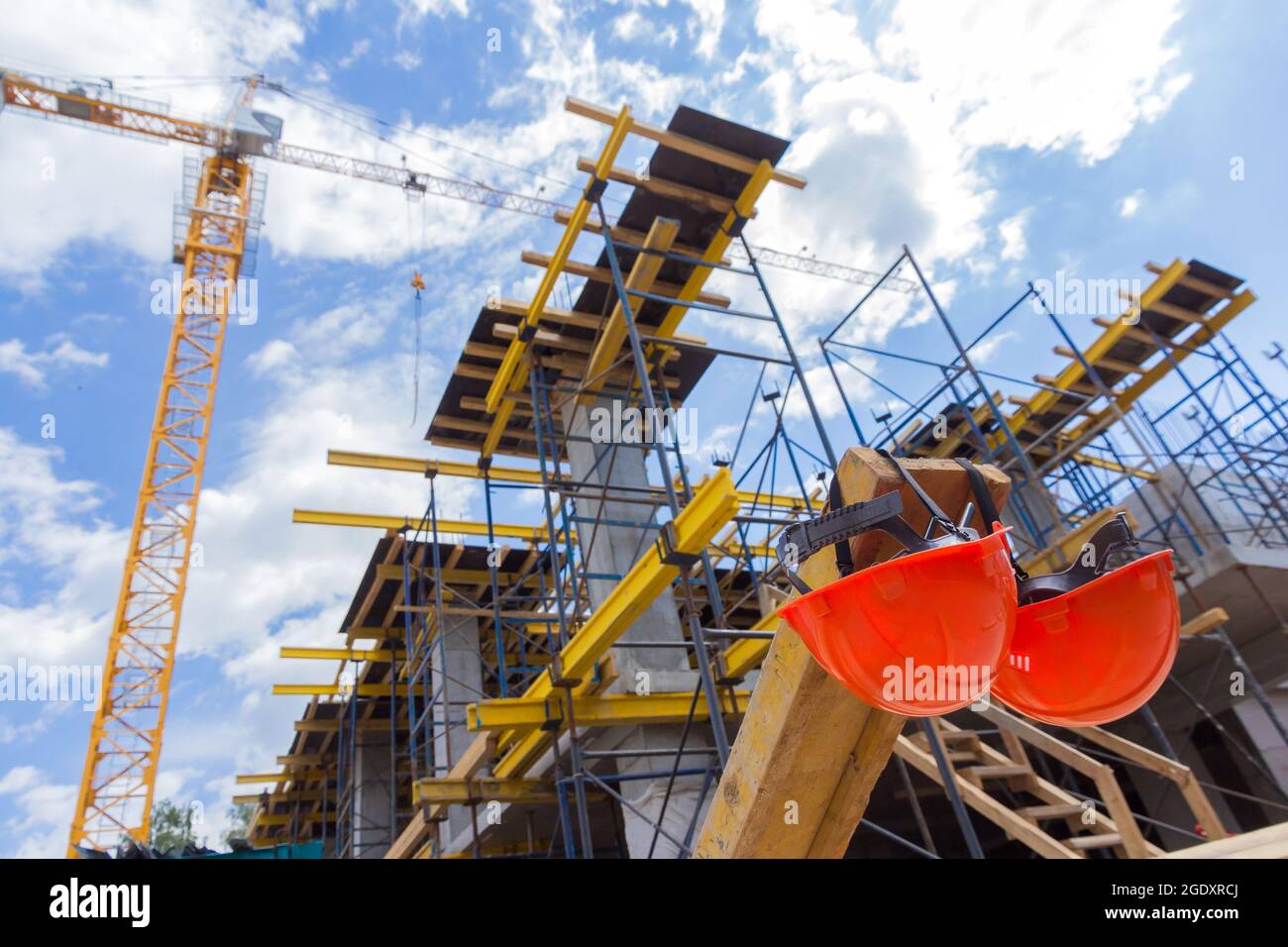
The Importance of Head Protection in Construction Sites
Construction sites are dynamic environments where workers face various hazards on a daily basis. One of the most critical safety measures in such settings is head protection. Wearing the appropriate headgear can significantly reduce the risk of head injuries and save lives.
Head injuries are among the most severe and common accidents in construction sites. Falling objects, bumps from overhead structures, and accidental collisions can all lead to serious head trauma. By wearing helmets or hard hats, workers create a vital barrier between their heads and potential dangers.
It is essential for all personnel on construction sites to wear suitable head protection at all times. Helmets should be well-fitted, undamaged, and compliant with safety regulations. Regular inspections of headgear should be conducted to ensure their effectiveness in safeguarding workers.
Aside from protecting against impact injuries, headgear also plays a crucial role in shielding workers from electrical hazards, extreme temperatures, and other environmental risks present on construction sites. Investing in high-quality head protection demonstrates a commitment to prioritising worker safety and well-being.
Employers have a legal responsibility to provide adequate head protection for their employees working on construction sites. Proper training on the correct usage and maintenance of helmets should also be provided to ensure maximum effectiveness.
In conclusion, head protection is not just a recommended safety measure but an essential one in the construction industry. By prioritising the use of appropriate headgear, we can create safer work environments and prevent unnecessary accidents and injuries.
Essential FAQs on Head Protection for Construction Sites: Regulations, Hazards, and Standards
- What is the head protection?
- What is head protection hazard?
- What are the construction head protection regulations?
- When should head protection be used on a construction site?
- What is overhead protection in construction?
- What is the new head protection standard?
What is the head protection?
Head protection refers to the use of specialised equipment, such as helmets or hard hats, designed to safeguard individuals from head injuries in various environments, including construction sites. These protective gears are constructed using durable materials that can absorb and deflect impact forces, thereby reducing the risk of head trauma caused by falling objects, collisions, or other hazards. Head protection is a crucial safety measure that helps ensure the well-being and safety of workers by providing a vital barrier between their heads and potential dangers present in their work surroundings.
What is head protection hazard?
In the context of construction sites, a head protection hazard refers to any potential danger or risk that could lead to head injuries for workers. These hazards can include falling objects, overhead debris, accidental collisions, or exposure to electrical or environmental threats that may cause harm to the head. Identifying and understanding head protection hazards is crucial in implementing effective safety measures, such as wearing helmets or hard hats, conducting regular inspections of equipment, and providing proper training to mitigate risks and ensure the well-being of workers on construction sites.
What are the construction head protection regulations?
Construction head protection regulations are crucial guidelines that govern the use of helmets and hard hats in construction sites to ensure the safety of workers. These regulations typically outline the specific requirements for headgear, including standards for design, material, fit, and certification. Employers are responsible for providing compliant head protection to their employees and ensuring that it is worn correctly at all times while on site. By adhering to these regulations, construction companies demonstrate their commitment to creating a safe working environment and reducing the risk of head injuries among their workforce.
When should head protection be used on a construction site?
Head protection should be worn at all times on a construction site, without exception. It is crucial to use headgear from the moment a worker enters the site until they leave. The risk of head injuries is constant in such environments due to falling objects, overhead hazards, and potential collisions. By making it a standard practice to wear appropriate head protection throughout the workday, workers can significantly reduce the likelihood of sustaining serious head injuries and ensure their safety on the construction site.
What is overhead protection in construction?
In the context of construction sites, overhead protection refers to structures or measures put in place to shield workers from falling objects or debris from above. This type of protection is crucial in ensuring the safety of personnel working in areas where there is a risk of objects being dropped or dislodged from higher levels. Overhead protection can take various forms, such as scaffolding with protective netting, canopies, or barriers installed above work areas to prevent objects from falling onto workers below. Implementing effective overhead protection measures is essential for minimising the risk of head injuries and creating a safer working environment on construction sites.
What is the new head protection standard?
The new head protection standard, often asked about in the context of construction site safety, refers to the latest regulations and guidelines set forth to ensure the optimal protection of workers’ heads in hazardous environments. This standard outlines specific requirements for the design, materials, testing procedures, and performance criteria of helmets or hard hats used in the construction industry. It aims to enhance the overall effectiveness and reliability of head protection gear, ultimately reducing the risk of head injuries and promoting a safer working environment for construction workers. Keeping abreast of this new standard is crucial for employers and employees alike to ensure compliance and uphold the highest level of safety standards on construction sites.